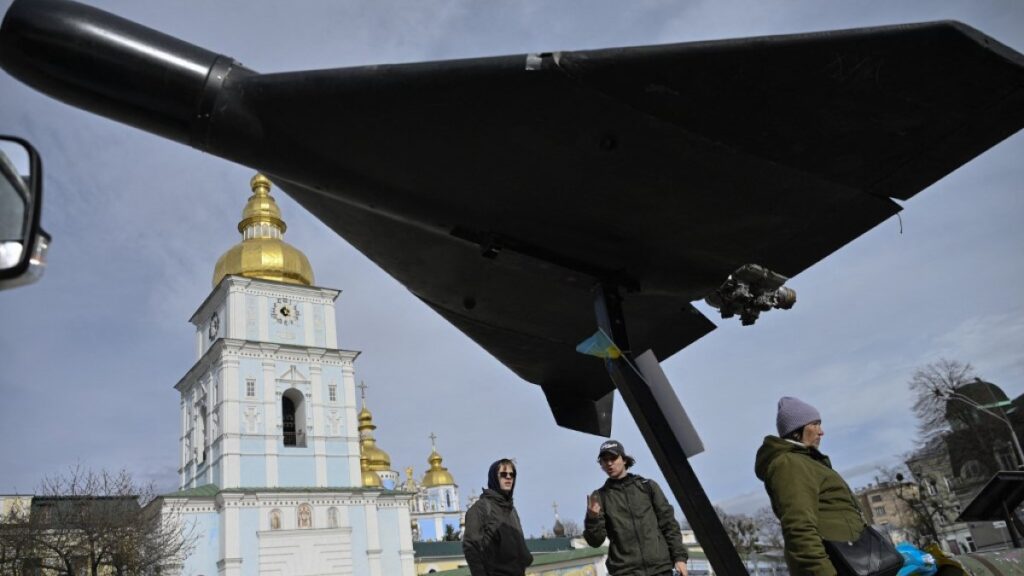
In a significant yet brief moment of relief amid ongoing conflict, Russia and Ukraine have agreed to a 32-hour ceasefire to observe the Orthodox Easter. This truce, endorsed by both Moscow and Kyiv, marks a temporary pause in hostilities as efforts to revive diplomatic negotiations have reached a standstill.
The 32-hour ceasefire will allow communities on both sides to commemorate one of the most important religious holidays in Eastern Orthodox Christianity—a moment steeped in tradition and reflection. The ceasefire is intended to foster a humanitarian respite, enabling safe passage for civilians, the delivery of aid, and a break from the relentless pressures of war.
This development comes as the conflict, which started more than a year ago, has seen sustained fighting despite numerous ceasefires and peace talks. Diplomatic channels have recently experienced stagnation, with talks failing to produce durable agreements. The Easter ceasefire, therefore, stands as a rare gesture of cooperation and goodwill amid the entrenched hostilities.
Officials from both sides expressed cautious optimism about the ceasefire. Ukrainian authorities highlighted the importance of this pause for civilian safety and for allowing families to observe a sacred tradition amidst turmoil. Russian representatives similarly underscored the humanitarian intent and expressed hope that the truce might pave the way for future dialogue.
The ceasefire will begin shortly before the Orthodox Easter holiday and continue through its celebration, covering areas affected by the conflict. The agreement also includes provisions for monitoring the ceasefire to prevent violations and ensure compliance by both parties.
International responses to the ceasefire announcement have been largely supportive, with calls for lasting peace and renewed negotiation efforts. Humanitarian organizations have welcomed the chance to deliver aid and assist those impacted by the fighting.
Despite the ceasefire’s temporary nature, the 32-hour pause is a critical reminder of the human dimension of the conflict, emphasizing the shared cultural and religious heritage that persists even in times of war.
As the ceasefire unfolds, the global community watches closely, hopeful that even this brief lull may serve as a stepping stone toward broader efforts to resolve the conflict and restore stability to the region.