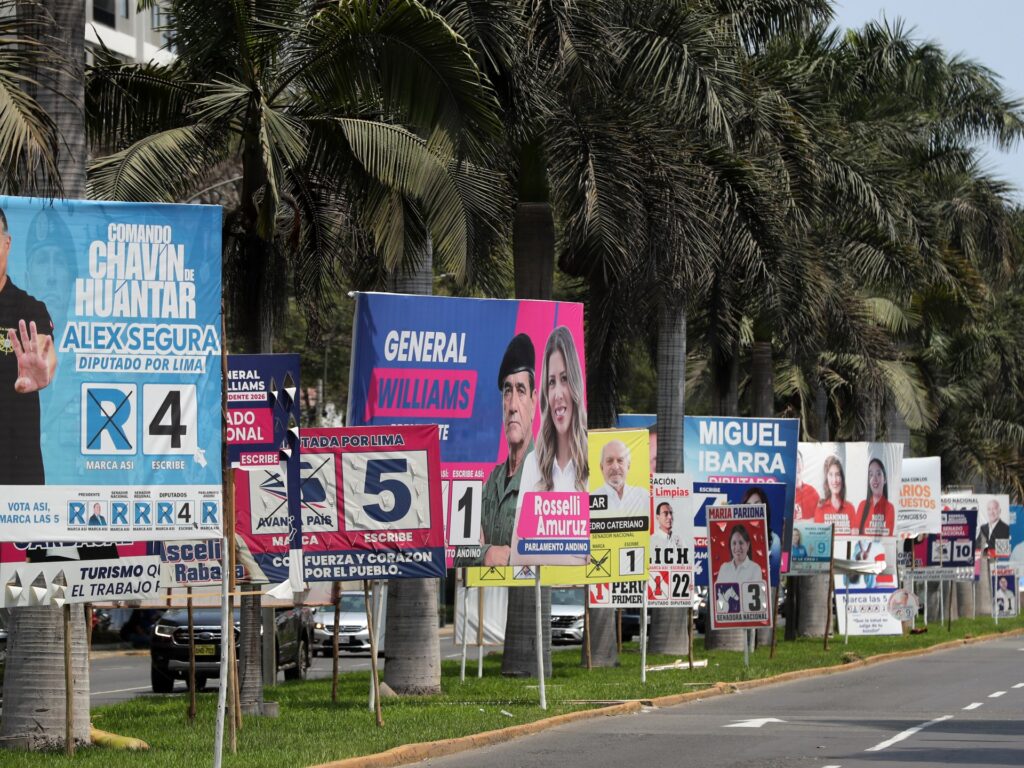
Peru is gearing up for a historic presidential election, featuring a record-breaking number of candidates vying for the nation’s highest office. As the country grapples with enduring political instability, voters face a critical decision amid widespread concerns over crime and corruption.
This election comes at a time when Peru’s political landscape is marked by frequent government changes, social unrest, and economic challenges. The multitude of candidates reflects a fragmented political spectrum, making it harder for any one contender to secure an outright majority.
Crime remains one of the most pressing issues for Peruvians, with rising rates of violence and insecurity that have eroded public trust in law enforcement and the judicial system. Voters are urging politicians to prioritize effective crime-fighting policies and reforms to restore safety and order.
Corruption scandals have marred Peru’s political institutions for decades, undermining social and economic progress. Recent revelations involving high-profile leaders have fueled public frustration, increasing demand for transparency and accountability.
Observers note that the election’s outcome will significantly influence Peru’s direction on governance, economic recovery, and social cohesion. Candidates are expected to present diverse platforms, from tough-on-crime measures to anti-corruption initiatives and inclusive economic strategies.
The sheer number of candidates showcases the deep divisions within the electorate, highlighting the complexity of Peru’s political dynamics. This diversity may lead to a run-off election, as no candidate is projected to achieve a decisive victory in the first round.
Experts emphasize the importance of voter engagement, as turnout will play a crucial role in shaping the legitimacy and mandate of the eventual winner. Civil society groups are mobilizing to encourage informed participation and to monitor the electoral process for fairness.
In summary, Peru’s presidential election is set against a backdrop of political uncertainty, with citizens prioritizing crime reduction and anti-corruption reforms. The unprecedented number of candidates underscores the electorate’s desire for change but also signals challenges ahead in forming a stable government. As results unfold, the world will be watching closely to see how Peru navigates this pivotal moment in its democratic journey.