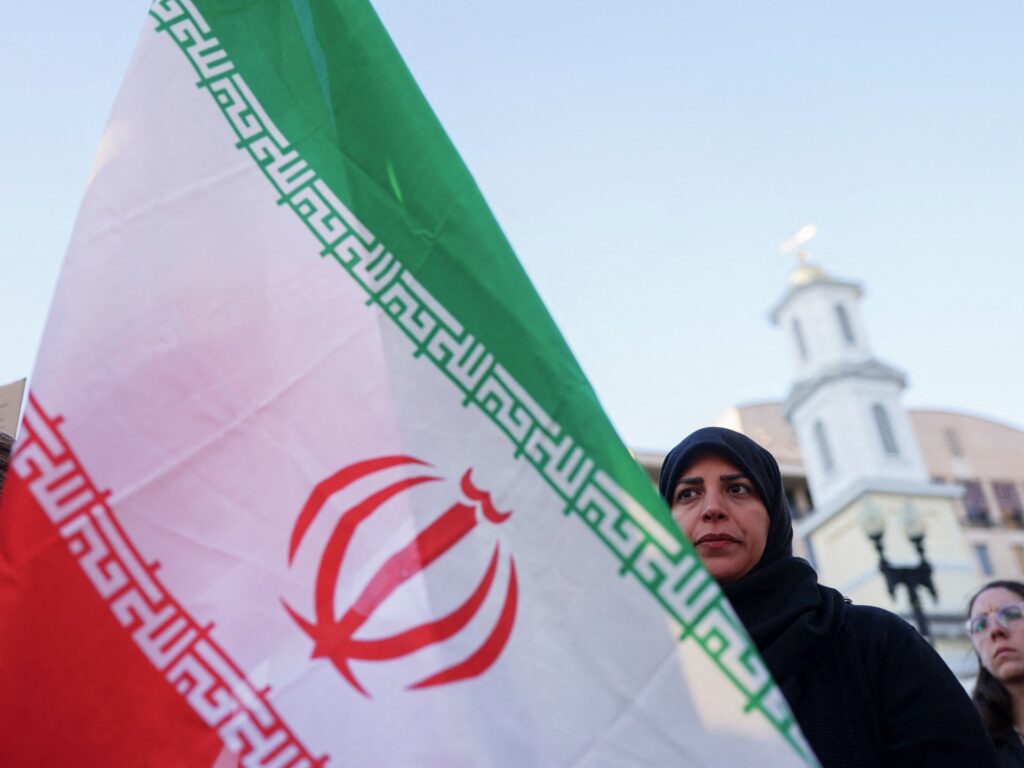
The recent announcement of a two-week ceasefire between the United States and Iran has been met with widespread approval across the globe. Nations around the world are urging both parties to fully commit to the ceasefire, with hopes that it marks a significant step toward lasting peace in the tumultuous Middle East region.
The ceasefire, brokered with the help of Pakistan, has received considerable praise for Pakistan’s instrumental role in facilitating the truce talks. This diplomatic success highlights the importance of international cooperation and dialogue in resolving conflicts that have long plagued the Middle East.
Global leaders have expressed optimism that this ceasefire could serve as a foundation for more comprehensive peace negotiations. The reduction of hostilities during this critical period is expected to alleviate the suffering of millions of civilians affected by ongoing conflicts.
Middle Eastern countries themselves have voiced strong support for the ceasefire, emphasizing the urgent need to shift from confrontation to constructive engagement. They stress that sustainable peace can only be achieved through mutual respect, understanding, and adherence to international norms.
The United Nations Secretary-General welcomed the ceasefire announcement and encouraged all involved parties to maintain their commitment to peace. He called upon the international community to support efforts aimed at stabilizing the region and addressing the root causes of conflict.
Humanitarian organizations have also responded positively, noting that ceasefires provide essential windows for delivering aid to vulnerable populations. They urge the continuation and expansion of such truces to ensure that humanitarian needs are met without obstruction.
Experts in international relations highlight that this ceasefire could be a turning point if it leads to sustained diplomacy and conflict resolution. The move demonstrates a willingness to prioritize dialogue over military action, potentially signaling a new era in US-Iran relations.
At the same time, analysts caution that this ceasefire is fragile and requires vigilance and goodwill from all parties to prevent any escalations. Continuous diplomatic engagement and confidence-building measures will be key to transforming this temporary ceasefire into permanent peace.
Civil society groups in the Middle East have welcomed the ceasefire, advocating for increased grassroots efforts to support peacebuilding initiatives. They emphasize the critical role of local communities in fostering reconciliation and preventing future violence.
The global reaction to the US-Iran ceasefire underscores a shared desire for stability and harmony in the Middle East. It reflects the international community’s recognition that peace in this region has far-reaching implications for global security, economic prosperity, and human well-being.
As the two-week ceasefire begins, all eyes will be on the unfolding events and the commitment of US and Iranian leadership to honor this crucial agreement. The world hopes this moment ushers in a new chapter of peaceful coexistence and mutual cooperation in the Middle East.