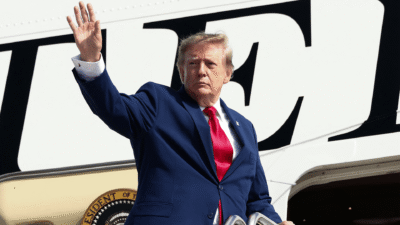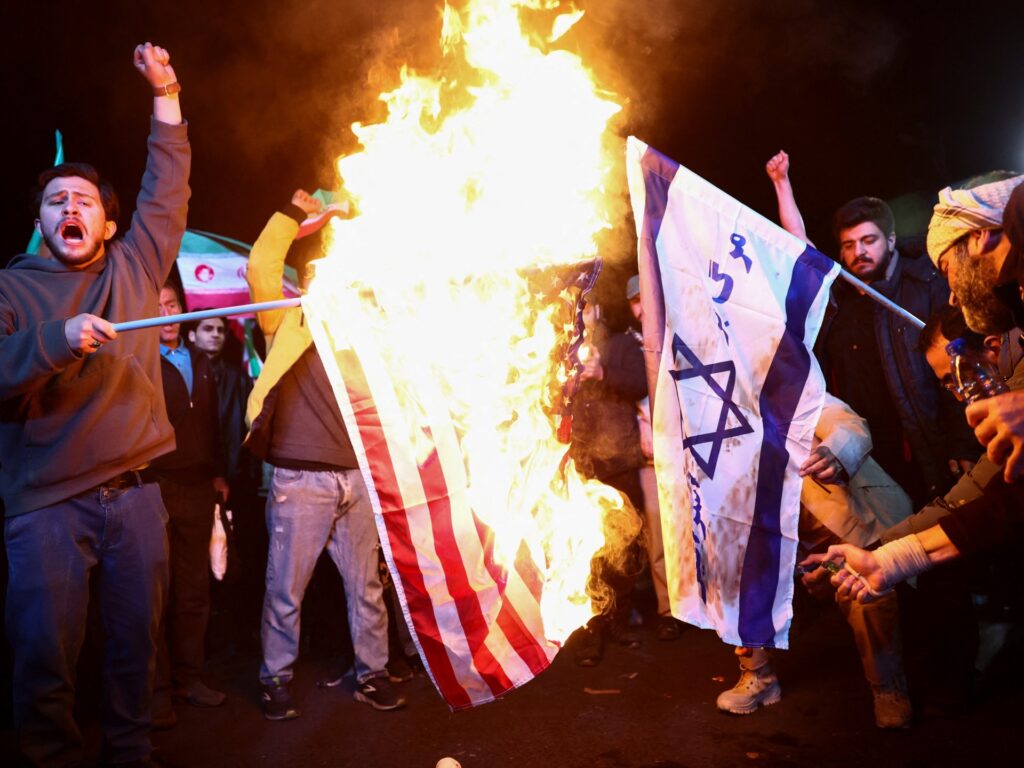
In a significant development amidst escalating tensions in the Middle East, former U.S. President Donald Trump has announced a truce concerning the ongoing conflict involving Iran. This latest announcement marks a potential turning point in a war that has alarmed the global community for months.
The truce declaration came after Iran agreed to ensure safe transit through the Strait of Hormuz, a vital chokepoint for global oil shipments. Tehran’s decision to allow secure passage through this strategic waterway was welcomed internationally, as it eases fears of supply disruptions and further conflict escalation.
Despite the optimism surrounding the truce, Iranian officials remain cautious. Tehran has claimed victory in the conflict but has emphasized that upcoming diplomatic talks scheduled to take place in Pakistan do not automatically guarantee the war’s conclusion. According to the Iranian government, these talks are a step towards negotiating peace, but they acknowledge the complexities and challenges that remain.
The announcement has sparked a flurry of reactions worldwide. Several governments and international organizations have called for sustained efforts to maintain the ceasefire and work towards a comprehensive peace agreement. The United Nations has voiced support for the truce and the forthcoming dialogue, highlighting the importance of diplomacy in resolving conflicts.
The Strait of Hormuz’s significance cannot be overstated, as approximately 20% of global petroleum passes through this narrow passage. Any disruption has historically led to spikes in global oil prices and economic instability. The agreement for safe transit is thus a critical component in preventing further economic ramifications.
The context of the conflict includes years of political, religious, and territorial disputes that have entangled Iran with various regional actors and global powers. Previous attempts at peace have faltered amid mutual distrust and shifting alliances.
In the wake of the truce announcement, analysts are cautiously optimistic but warn that the situation remains fragile. The success of the Pakistan talks will depend heavily on the willingness of all parties to engage sincerely and address core issues such as security guarantees, economic sanctions, and territorial sovereignty.
For the civilians caught in this conflict, the truce offers a glimmer of hope amidst years of uncertainty and hardship. Humanitarian aid organizations have urged all sides to provide safe access for relief and to protect civilians from further harm.
As the international community watches closely, the coming weeks will be crucial. The diplomatic efforts in Pakistan could well shape the future of regional stability and the broader geopolitical landscape. While the war is not officially over, the steps taken by Trump and Tehran represent a hopeful move towards dialogue and peaceful resolution.
The evolving situation underscores the ever-present need for diplomacy and cooperation in addressing complex global conflicts. Stakeholders worldwide are encouraged to support these endeavors to achieve lasting peace and security in the region.