In a surprising turn of events, Saudi Arabia, the United Arab Emirates, Kuwait, Qatar, and Bahrain have all reported multiple attacks just hours after a ceasefire agreement was announced between the United States and Iran. The ceasefire, set to last for two weeks, was aimed at de-escalating tensions in the unstable Gulf region. However, the recent wave of strikes has raised concerns about the security and stability of the area.
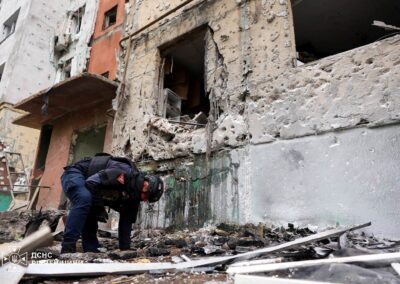
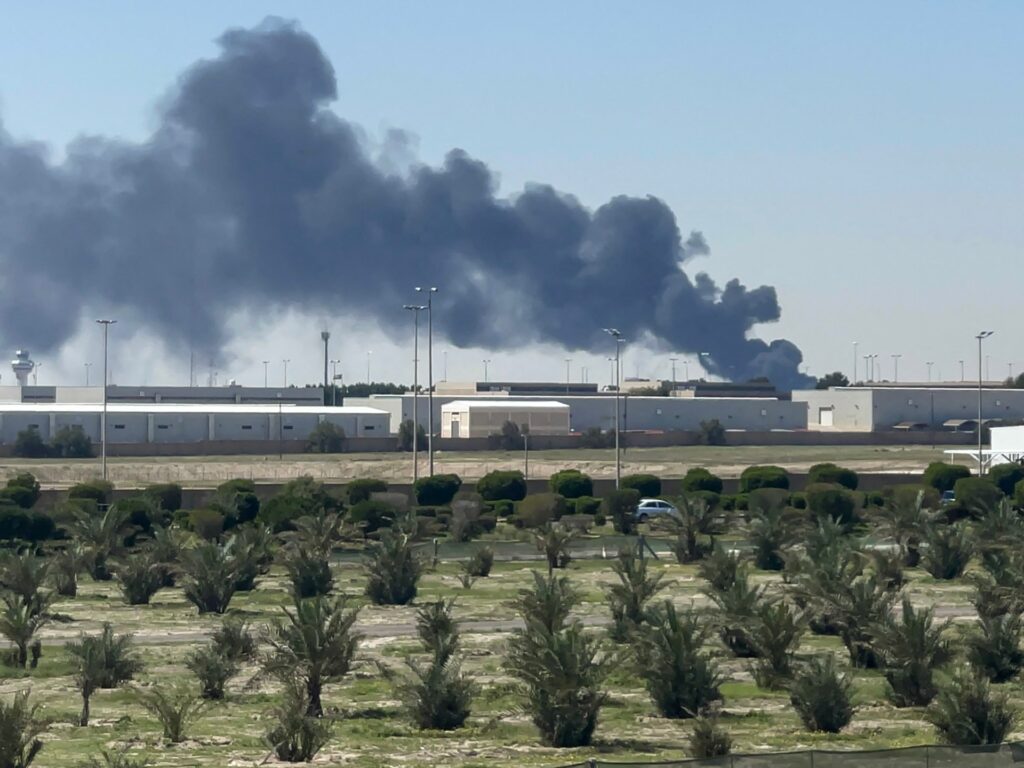
The attacks, which appear to have been coordinated, struck various strategic and civilian locations across the Gulf States. Initial reports indicate sabotage and missile strikes targeting critical infrastructure such as oil facilities, ports, and military installations. Casualties and damages are currently being assessed, but early indications point to significant impacts.
Authorities are investigating the perpetrators behind these attacks, with suspicion falling on elements opposed to the US-Iran truce, possibly seeking to undermine the ceasefire and reignite broader conflict. Governments of the affected nations have condemned the violence, vowing to defend their sovereignty and maintain stability in the region.
This surge in violence underscores the fragility of peace efforts in the Gulf, a region whose geopolitical importance is underscored by its massive energy exports and strategic location. Rivalries and proxy conflicts have historically made the Gulf a flashpoint, and the new ceasefire was seen as a hopeful step towards reducing hostilities.
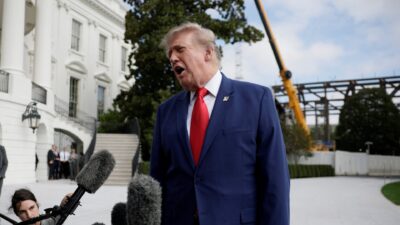
International reactions have been swift, with calls from the United Nations and global powers urging restraint and dialogue to prevent further escalation. The US and Iran have emphasized their commitment to the ceasefire despite provocations, highlighting the need for continued diplomacy.
Security measures in the Gulf have been heightened in response, with increased surveillance, military readiness, and regional cooperation to thwart any further attacks. The situation remains tense as officials work to restore calm and ensure that the temporary truce can lead to more durable peace.
The coming days will be critical in determining whether these attacks are isolated incidents or part of a broader campaign to destabilize the region. The coordinated nature of the strikes post-ceasefire announcement raises challenging questions about the control and influence various actors have within the Gulf.
Experts say that while the ceasefire is an important diplomatic achievement, it cannot alone guarantee peace without addressing the underlying regional disputes and grievances. Comprehensive dialogue involving all stakeholders is essential.
As the Gulf watches anxiously, the hope remains that calm will be restored and that the ceasefire will pave the way for more constructive engagement and conflict resolution in this strategic region of the world.