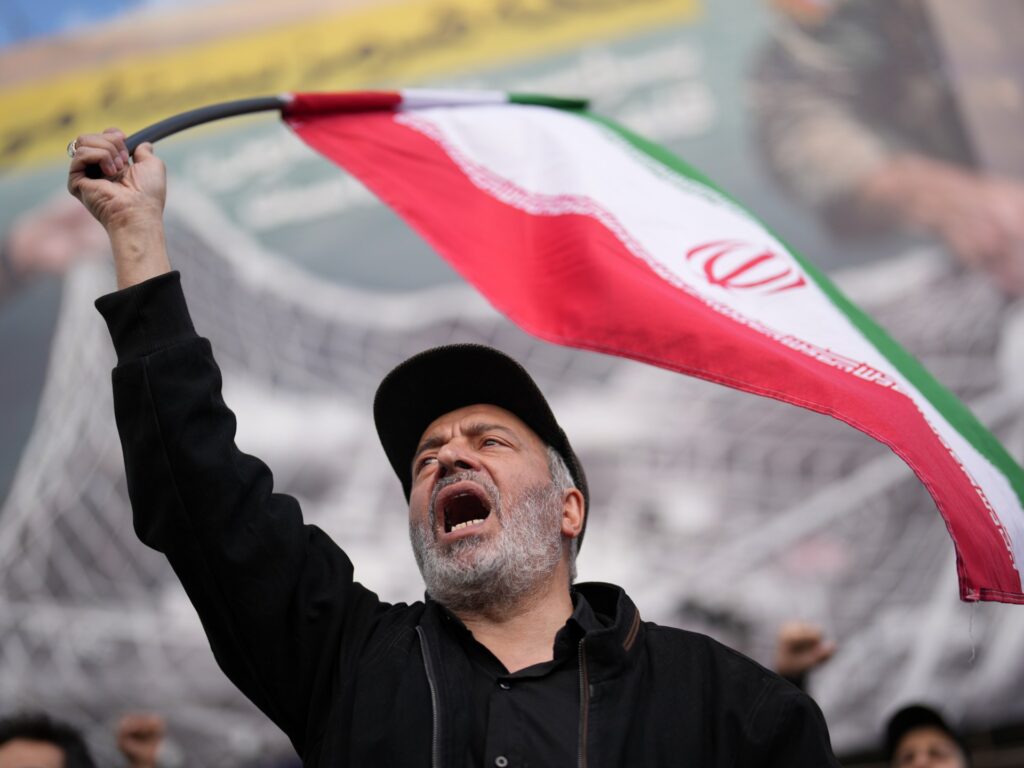
In a significant development, nations across the Gulf and the broader Arab world have welcomed the recent announcement of a temporary ceasefire between Iran and the United States. The ceasefire marks an important step toward reducing hostilities in a region long marred by conflict and political tension.
The announcement has been met with cautious optimism by Gulf countries, which have often found themselves affected by the consequences of regional instability. Leaders from several Arab states expressed relief and hope that the temporary truce could pave the way for more durable peace negotiations.
Officials emphasized the importance of transforming the ceasefire from a temporary measure into a sustained effort that addresses the root causes of the conflict. They urged all parties involved to engage in comprehensive negotiations to secure a permanent resolution to the hostilities.
The Gulf Cooperation Council (GCC) released a joint statement applauding the ceasefire, highlighting it as a “positive step toward de-escalation and stability in the region.” The statement called on Iran and the US to continue dialogue and work collaboratively with regional stakeholders to build lasting peace.
Arab diplomats underscored that peace in the Gulf is critical not only for the stability of their individual countries but also for the economic prosperity and security of the entire Middle East. The region, rich in energy resources, has historically been vulnerable to disruptions caused by conflicts, making the ceasefire a critical development for global markets as well.
Several major cities in the region, including Riyadh, Abu Dhabi, and Cairo, witnessed diplomatic activity, with envoys and officials engaging in discussions to support the ceasefire and explore possibilities for broader peace talks. These collaborative diplomatic efforts indicate a regional consensus on the urgent need to end the prolonged conflict.
Experts note that while the ceasefire is a promising start, challenges remain. Long-standing grievances, geopolitical rivalries, and mistrust between Iran and the US pose significant hurdles to achieving a comprehensive peace agreement.
Regional analysts advocate for sustained mediation efforts by neutral parties and international organizations to facilitate dialogue. They suggest that confidence-building measures and incremental steps could help bridge divides and foster an environment conducive to negotiations.
Civil society organizations and prominent leaders from across the Arab world have also voiced their support for the ceasefire. There is a growing call for inclusive peace processes that involve not only governments but also communities affected by the conflict.
The ceasefire announcement coincides with a renewed emphasis on diplomatic engagement in the region, signaling a possible turning point after years of volatility. Gulf nations have reiterated their commitment to supporting peaceful resolutions and encouraging cooperation among neighboring states.
The temporary truce has been portrayed as an opportunity to revive stalled peace efforts and overcome barriers that have previously impeded negotiations. It also underscores the interconnectedness of regional security and the importance of collective responsibility.
While skepticism remains among some groups due to previous failed attempts at truce and peace, the prevailing sentiment is one of hope. The international community has welcomed the announcement, urging continued efforts to ensure that the ceasefire leads to substantive political dialogues.
In conclusion, the Gulf and Arab nations’ reaction to the Iran-US ceasefire announcement highlights a unified desire for peace, stability, and prosperity in the Middle East. The emphasis now lies on translating this temporary measure into a lasting peace agreement through sustained negotiations, regional cooperation, and inclusive dialogue.