The ongoing conflict involving Iran continues to exert a profound impact on the global oil markets, with effects rippling far beyond the immediate region. The war has resulted in the removal of hundreds of millions of barrels of oil from the global supply, creating a sustained crisis that shows no signs of abating.
At the heart of this crisis is the disruption of Iran’s oil production and export capacity. Iran, a major player in the global oil industry, has seen many of its wells shut down due to the conflict and accompanying sanctions. These closures have significantly curtailed the volume of oil available in the market.
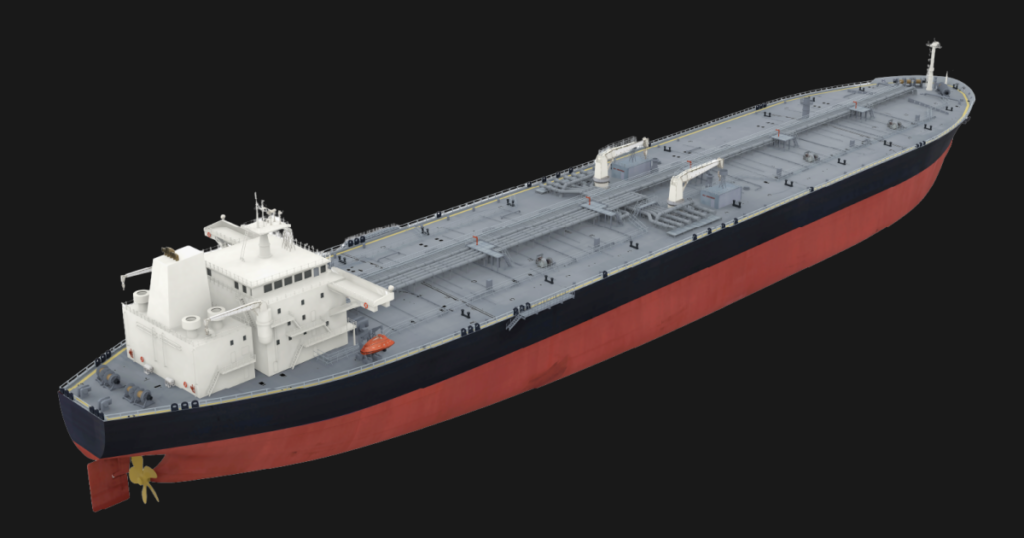
This shortage is vividly illustrated by the array of empty crude oil tankers and vessels idling in ports and along shipping lanes. These ships, which under normal circumstances would be transporting millions of barrels of oil, remain empty or underutilized, symbolizing the supply chain disruptions caused by the ongoing turmoil.
The war-induced scarcity pushes oil prices higher, affecting not only the economies dependent on oil imports but also consumers worldwide who face increased fuel and energy costs. Nations that rely on reliable oil supplies are scrambling to secure alternative sources, yet the global market remains tight, as other producers struggle to compensate for lost Iranian barrels.
Geopolitical tensions related to the conflict have added layers of complexity to the crisis. Efforts to mediate and resolve disputes have stalled, prolonging uncertainty in the energy markets. This instability undermines investment in oil infrastructure and exploration, further threatening the future stability of oil supplies.
Additionally, the sanctions imposed on Iran aim to limit its financial capabilities to support the war but have the unintended consequence of choking off legitimate trade, thus exacerbating the oil shortage. The sanctions create a challenging environment for companies and countries that might otherwise engage in commerce with Iran.
Visualizing the crisis, one can see vast stretches of empty oil tankers anchored offshore, a stark contrast to bustling ports filled with active vessels in peaceful times. On land, once-flourishing oil wells now sit dormant, representing halted production and lost economic opportunities.
These empty ships and shut wells together paint a picture of an oil market under siege, struggling to maintain equilibrium in the face of geopolitical strife. The ramifications extend beyond the Middle East, impacting global energy security and economic stability.
As the conflict persists, so too does the oil crisis, reminding us that oil markets are deeply intertwined with international politics. The end of the crisis hinges not just on oil production but on the resolution of the broader conflict.
Until peace and stability return, the world must navigate the consequences of an oil market disrupted by war, with empty ships and inactive wells standing as somber testaments to a crisis not yet over.