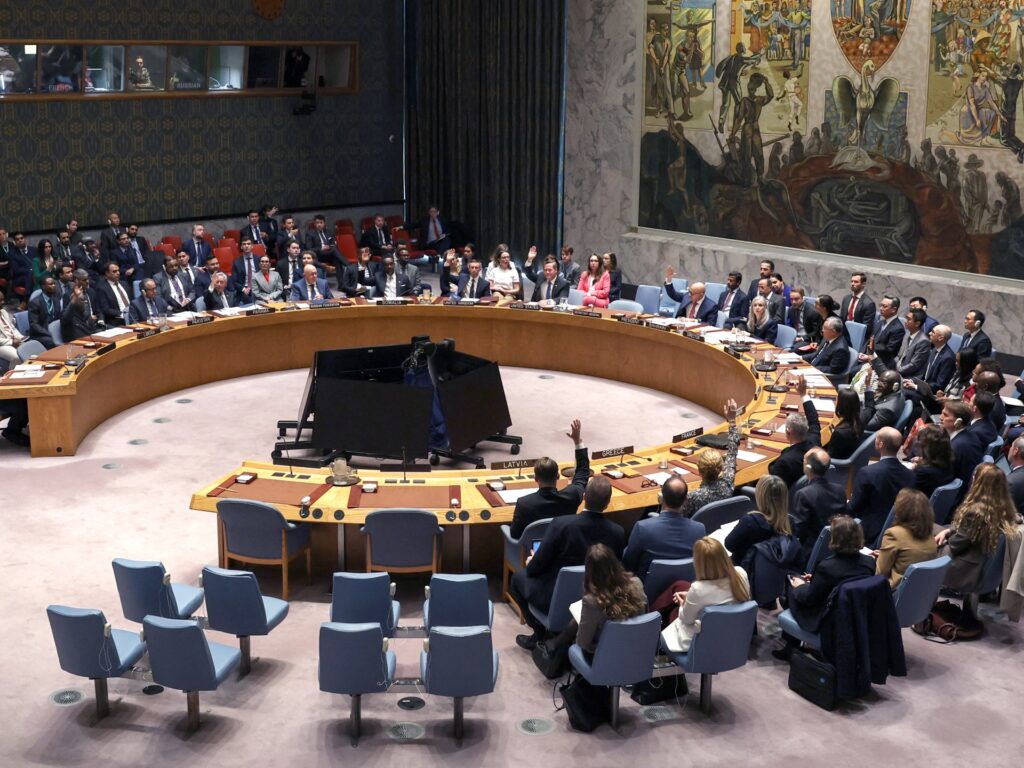
In a recent development at the United Nations, Russia and China have exercised their veto power to block a resolution concerning the Strait of Hormuz. Although a total of 11 out of 15 UN Security Council members supported the resolution, it was ultimately not passed due to the vetoes by these two key members.
This resolution, which was meant to address increasing tensions and security concerns in the strategic maritime corridor, had already undergone significant modifications in an attempt to gain broader support and avoid the use of vetoes. The watering down of the text was aimed at making the resolution more acceptable to all members, particularly Russia and China, who have historically been cautious about international interventions in the region.
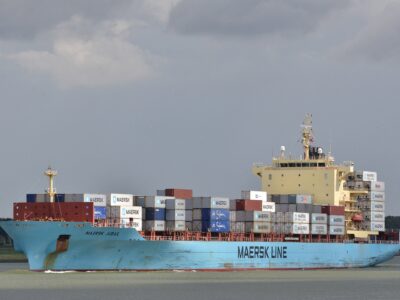
The Strait of Hormuz is a critical chokepoint in global oil supply, with a significant percentage of the world’s petroleum passing through this narrow waterway. The heightened tensions in this area have raised concerns within the international community about the stability and security of global energy routes.
Diplomatic efforts have been ongoing to manage the situation, with various countries voicing the need for a unified approach to ensure freedom of navigation and regional stability. Despite these calls, the vetoes highlight the persistent geopolitical divisions within the Security Council, where Russia and China often counterbalance Western initiatives.
The decision to block the resolution reflects the complex dynamics and competing interests surrounding the Strait of Hormuz. Russia and China have emphasized the importance of respecting national sovereignty and opposing measures they perceive as unilateral or biased.
Meanwhile, other members of the Security Council, representing a broad coalition of states, expressed disappointment over the outcome, emphasizing the necessity of collective security arrangements and dialogue in addressing threats in this vital corridor.
The incident underscores the challenges the UN faces in reaching consensus on matters involving strategic international waterways and geopolitical rivalries. It also raises questions about the effectiveness of the Security Council in acting decisively when critical global security issues arise.
Observers believe that further negotiations and diplomatic engagements are necessary to bridge the divergent positions and to develop cooperative frameworks that can mitigate risks in the Strait of Hormuz.
In summary, the blockage of the resolution by Russia and China marks a significant diplomatic event, revealing the ongoing tensions and geopolitical complexities associated with the Strait of Hormuz. The international community remains watchful, hoping for peaceful resolutions that uphold security and stability in this key maritime passage.