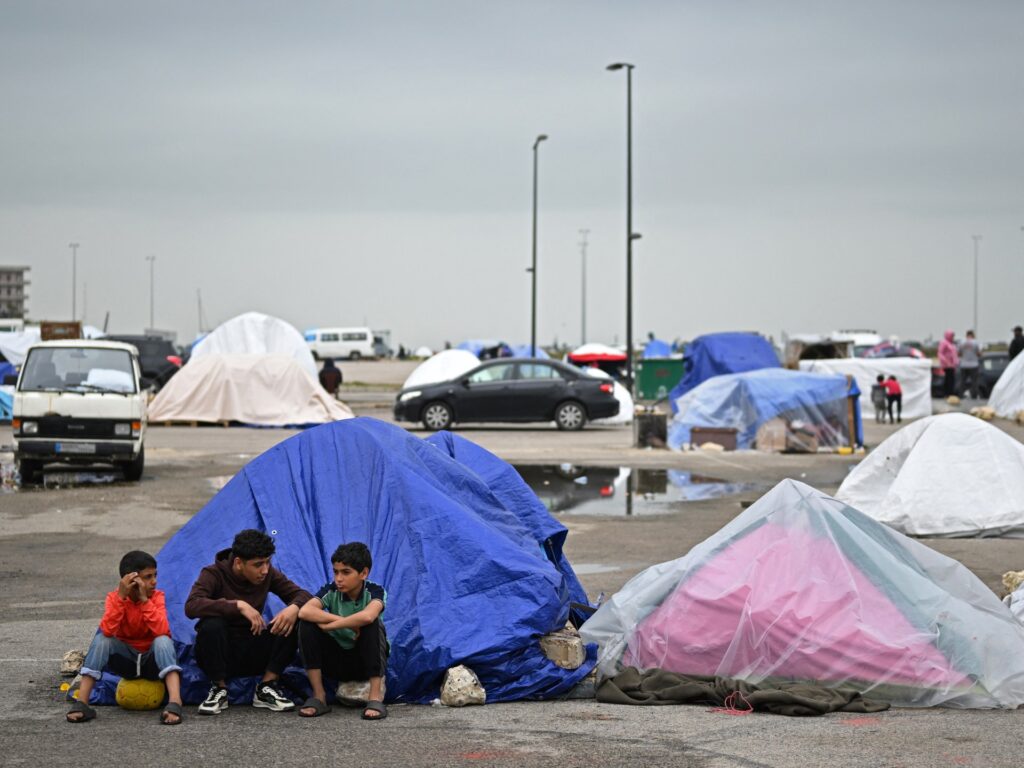
In recent developments, Israel’s military invasion of southern Lebanon has precipitated a dire humanitarian crisis that has profoundly impacted the Lebanese population. Over the past month, approximately 1.2 million people—about one-fifth of Lebanon’s entire population—have been compelled to flee their homes due to the ongoing conflict and associated violence.
The invasion, aimed at pursuing security objectives, has resulted in widespread displacement, destruction of infrastructure, and a collapse of essential services in affected areas. Civilians caught in the crossfire have faced grave dangers, with many forced to leave their communities abruptly, seeking safety and shelter elsewhere within Lebanon or across its borders.
This mass displacement has intensified the strain on humanitarian resources, with emergency shelters, food supplies, and medical care becoming critically insufficient. The sudden influx of displaced persons into neighboring regions has overwhelmed local capacities, exacerbating vulnerabilities among already marginalized populations.
International humanitarian organizations have called for urgent ceasefire measures and enhanced aid delivery to mitigate the unfolding crisis. They emphasize the need for safe passages and corridors to enable civilians to evacuate conflict zones securely and for unimpeded access of humanitarian assistance to those in dire need.
The invasion’s impact extends beyond immediate displacement; it threatens to destabilize Lebanon’s fragile socio-economic fabric, intensifying poverty and exacerbating political tensions. The destruction of homes, schools, hospitals, and critical infrastructure risks long-term setbacks in development and recovery efforts.
Moreover, psychological trauma among displaced populations, particularly children, is emerging as a significant concern, underscoring the importance of comprehensive psychosocial support alongside physical aid.
Efforts are underway to coordinate between government agencies, non-governmental organizations, and international bodies to address both the immediate and protracted needs of the affected communities. However, ongoing hostilities and security challenges complicate these responses.
As the situation unfolds, the international community remains attentive to developments, advocating for peaceful resolution, respect for civilian protection, and adherence to international humanitarian law.
The Lebanon crisis serves as a stark reminder of the profound human costs of conflict and the urgent necessity for concerted global action to prevent further deterioration and to support those displaced back towards stability and peace.