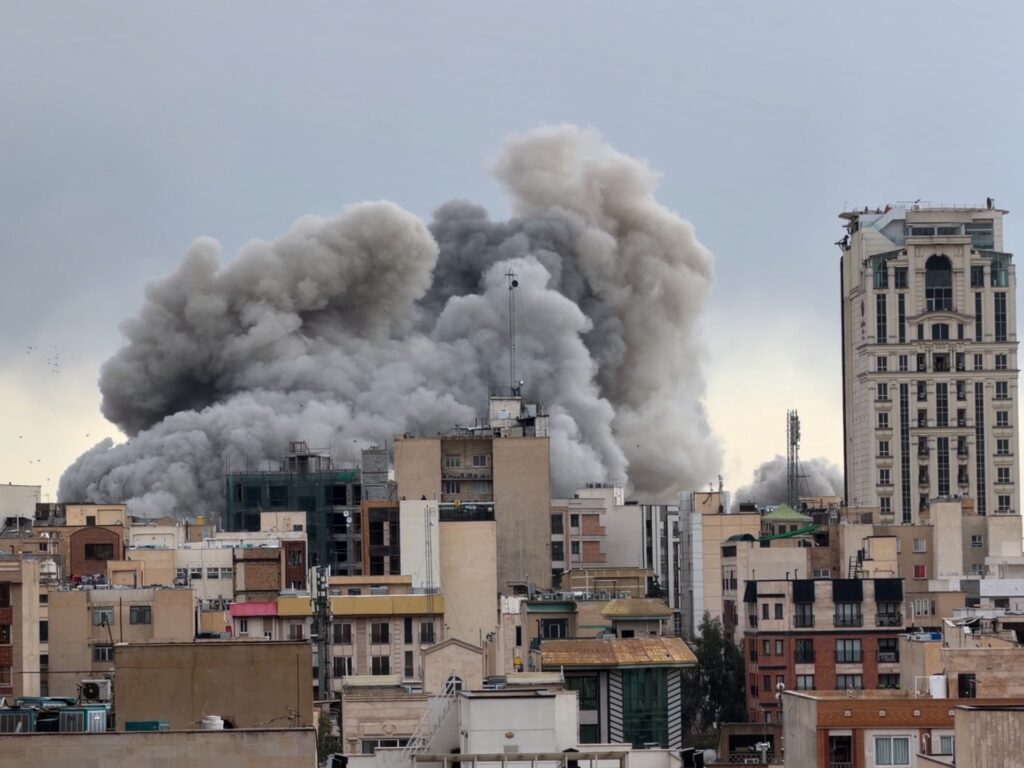
In a significant development amid escalating tensions, Pakistan has proposed a two-phased truce deal aimed at ending the ongoing conflict involving the United States, Israel, and Iran. This diplomatic initiative comes at a critical juncture as regional instability continues to escalate, raising global concerns about the potential for wider war.
The proposed truce outlines a structured approach to de-escalation. The first phase is designed to halt immediate hostilities, while the second phase focuses on negotiations for a more comprehensive and lasting peace agreement. Pakistan’s strategy underscores the need for a balanced resolution that addresses the security concerns of all parties involved.
The conflict, primarily centered on Iranian nuclear ambitions and regional influence, has seen the United States and Israel taking a hardline stance against Tehran. This has included a series of economic sanctions, military posturing, and covert operations. Iran, on its part, has maintained a defiant posture, asserting its right to nuclear technology and regional sovereignty.
Iran’s response to the Pakistani offer has been cautious yet reflective. While Tehran is reviewing the truce proposal, it has made it clear that it will not reopen the Strait of Hormuz as part of any temporary ceasefire arrangement. The Strait of Hormuz is a strategic chokepoint through which a significant portion of the world’s oil supply passes, and Iran’s control over this passage has been a critical leverage point in the region.
This refusal indicates that while Iran may be open to dialogue, it remains firm on certain strategic positions. Iranian officials likely see the closure of Hormuz as a necessary pressure tactic and are wary of any agreement that might undermine their regional influence or security.
Pakistan’s proposal is notable for several reasons. Firstly, it represents a rare diplomatic outreach from a South Asian country into a primarily Middle Eastern conflict, highlighting Pakistan’s desire to play a constructive role in regional stability. Secondly, the two-phased approach suggests a pragmatic understanding of the complexities involved in the conflict, emphasizing gradual progress over sudden ceasefire demands.
International reactions to the proposal have been mixed but generally positive. Some global actors view this as an opportunity to revive stalled peace efforts and reduce the risk of broader conflict. Others remain skeptical, given the entrenched positions of the major parties and the history of failed negotiations.
Analysts point out that for the truce to be effective, it will require robust monitoring mechanisms and guarantees to ensure compliance. This might involve international observers or peacekeeping forces to verify that both sides adhere to ceasefire terms.
The economic implications of the conflict and the potential truce are significant. Continued hostilities pose threats to global oil markets and trade routes. Conversely, a successful truce could stabilize prices and enhance energy security.
Pakistan’s diplomatic move may also influence regional allies and neighboring countries, encouraging a broader coalition for peace. The two-phased truce could serve as a template for conflict resolution in other adjacent regions experiencing similar tensions.
In summary, Pakistan’s ‘two-phased’ truce deal represents a hopeful yet cautious step towards resolving the US-Israel-Iran conflict. While Iran’s rejection to reopen the Strait of Hormuz signals ongoing challenges, the proposal fosters an opening for dialogue and possible de-escalation. The coming weeks will be critical as the involved parties deliberate on this offer and consider the future trajectory of the region’s peace and security.