The ongoing disputes in Libya’s oil sector are increasingly drawing parallels with the tensions surrounding the Strait of Hormuz, raising alarms about global energy security, particularly in Europe. As proxy wars erupt over control and influence in Libya’s vital oil-producing regions, the situation is exacerbated by simultaneous geopolitical strains at Hormuz, a critical chokepoint for global oil shipments.
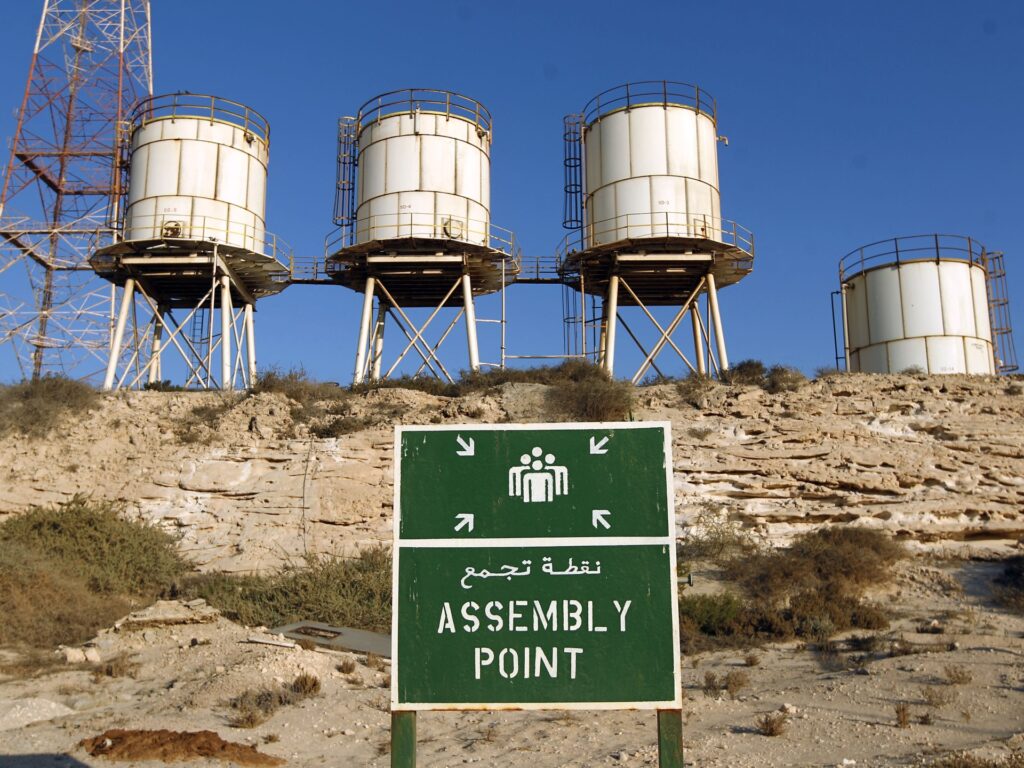
Libya, with its substantial oil reserves, has long been a pivotal player in the global energy market. However, the country’s oil infrastructure has become a battleground for competing factions, each backed by different international actors. These proxy conflicts have led to disruptions in production and export, undermining Libya’s reliability as an energy supplier.
Simultaneously, the Strait of Hormuz, located between Oman and Iran, remains a flashpoint in Middle Eastern geopolitics. It is a strategic maritime passage through which approximately 20% of the world’s petroleum passes. Recent years have witnessed heightened tensions stemming from sanctions, military confrontations, and diplomatic disputes in the region, jeopardizing the steady flow of oil.
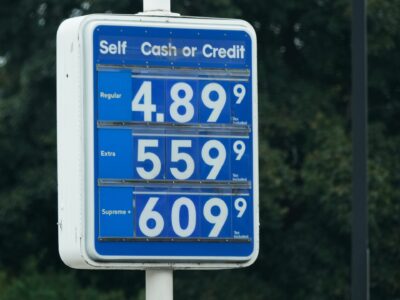
The convergence of Libya’s internal oil conflicts with Hormuz’s instability poses a dual threat to global energy markets. This precarious scenario is particularly worrisome for Europe, which relies heavily on oil imports for its energy needs. Disruptions in either region could lead to significant supply shortages, triggering price spikes and economic reverberations.
European nations have expressed growing concern over these developments. The potential for simultaneous supply shocks from Libya and Hormuz exacerbates the urgency to diversify energy sources and reinforce strategic reserves. Policymakers are urged to collaborate on enhancing energy security frameworks, investing in alternative energy, and engaging in diplomatic efforts to stabilize these critical regions.
Energy analysts warn that the intertwined risks could destabilize markets and create volatility unprecedented in recent decades. The proxy wars in Libya and tensions at Hormuz underscore the fragile nature of global oil logistics, reminding the international community of the need for immediate action.
In summary, the parallel crises in Libya and the Strait of Hormuz highlight significant vulnerabilities in global energy supply chains. The compounded risks threaten to disrupt markets and accentuate Europe’s energy dependency challenges, necessitating coordinated international responses and robust contingency planning to mitigate potential impacts.