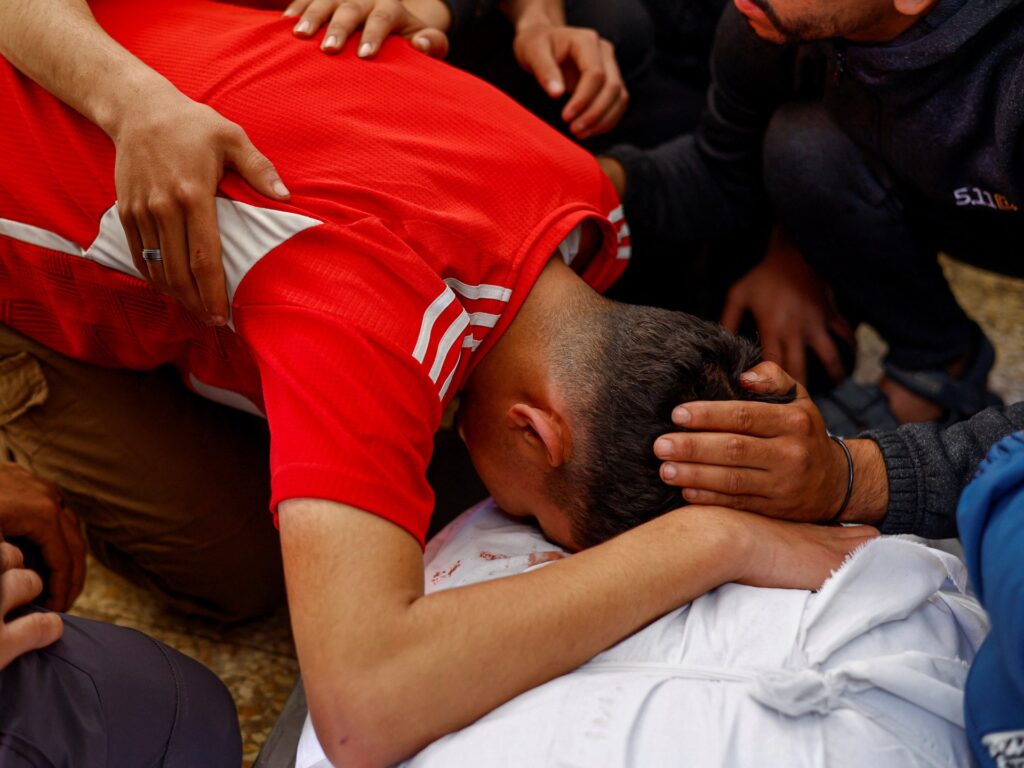
In a tragic incident in southern Gaza, the Israeli army fired upon a World Health Organization (WHO) vehicle, resulting in the death of WHO driver Majdi Aslan. The attack also left a WHO doctor wounded, alongside several other Palestinians who sustained injuries. The incident has raised serious concerns about the safety of humanitarian personnel operating in conflict zones, especially medical teams working under extremely hazardous conditions.
The attack occurred amidst ongoing tensions in the region, where healthcare workers continue to face threats while providing critical aid to civilians. Majdi Aslan, a dedicated WHO driver, was killed on the spot, while the WHO doctor remains hospitalized with injuries described as serious but stable. The number of other injured Palestinians has not been fully disclosed but local medics confirm multiple casualties.
Such incidents underscore the urgent need for enhanced protections for humanitarian missions and medical personnel, ensuring they can operate without fear of attack. The WHO has condemned the attack and called for a thorough investigation to hold perpetrators accountable. This has also prompted global appeals to respect international humanitarian law, which explicitly protects medical and aid workers in conflict areas.
The tragedy adds to the growing toll of civilian and aid worker casualties in the Gaza conflict, where the delivery of healthcare services is increasingly jeopardized by the violence. Observers emphasize that attacks on health infrastructure and personnel not only cause immediate harm but also disrupt essential services, exacerbating suffering in an already devastated territory.
The region remains volatile, with ongoing military actions and escalated hostilities, making the delivery of humanitarian aid a formidable challenge. The global community is urged to renew efforts to secure safe access for humanitarian organizations and demand adherence to international norms.
Majdi Aslan’s death and the wounding of his colleagues highlight the vulnerability of those who risk their lives to save others in wartime. This incident serves as a somber reminder of the human cost of conflict and the critical importance of safeguarding medical missions to alleviate human suffering amid war.