In the latest developments in the escalating tensions involving Iran, former U.S. President Donald Trump has publicly confirmed the successful rescue of a missing U.S. officer from Iran. This operation marks a significant moment amidst the ongoing conflict and diplomatic strains between the United States and Iran.
The rescue effort has brought a sense of relief and renewed focus on the complexities of the U.S.-Iran relations. Details about the rescue operation, including how the officer was located and the agencies involved, remain closely guarded for security reasons. However, the confirmation from Trump has underscored the seriousness with which the U.S. government treats the safety of its personnel abroad.
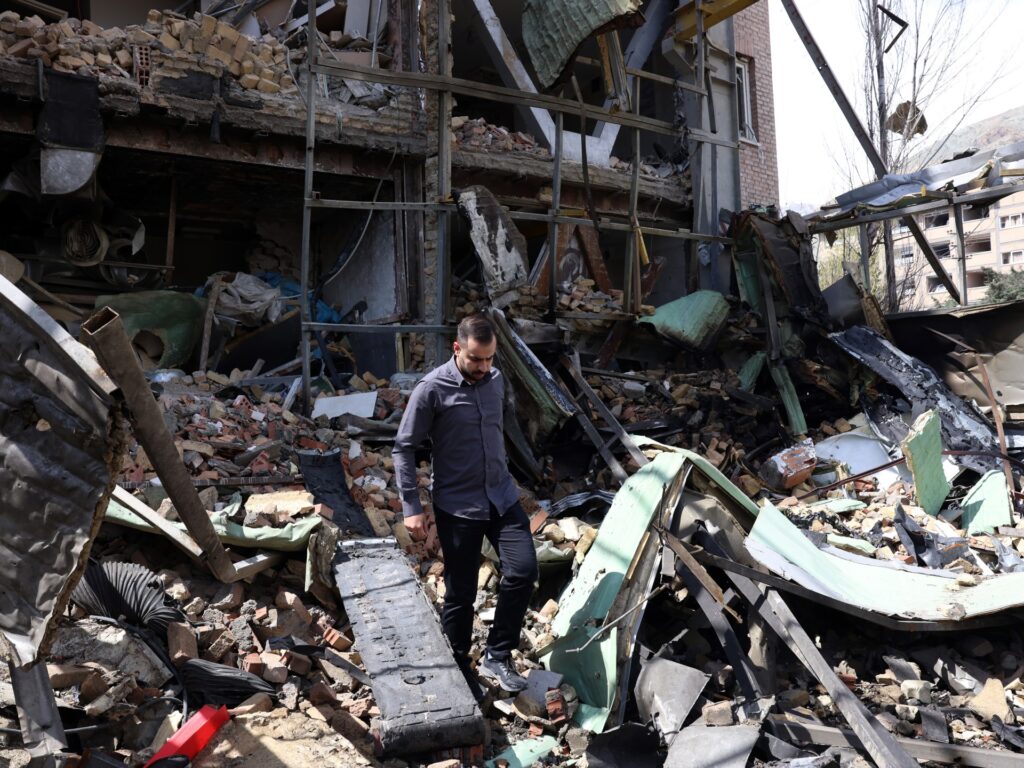
Simultaneously, Iran has reported a severe incident involving attacks attributed to U.S. and Israeli forces. According to Iranian officials, the Mahshahr Petrochemical Zone has been targeted, resulting in five confirmed deaths and approximately 170 wounded individuals. This attack has heightened the already intense hostility and could further destabilize the region.
The Mahshahr Petrochemical Zone is a critical industrial hub, and attacks on such infrastructure underscore the strategic attempts to undermine Iran’s economic and military capabilities. Analysts suggest that these attacks are part of a broader strategy employed by the U.S. and its allies to pressure Iran in response to its nuclear program and regional activities.
Iran’s government has condemned the attacks vehemently, calling them acts of aggression and violations of international law. The Iranian leadership has vowed to respond decisively to any further assaults, indicating a potential escalation in military confrontations.
The international community watches anxiously as these events unfold. Diplomats and international organizations are urging restraint and calling for dialogue to prevent further loss of life and regional destabilization. The United Nations and other global bodies have expressed concern over the developments and are advocating for peaceful resolutions.
This situation continues to evolve rapidly, with heightened military alertness and increased diplomatic activity. The rescue of the U.S. officer may signal new avenues for communication, or it could mark a prelude to intensified conflict depending on subsequent actions by the involved parties.
Citizens in Iran and neighboring countries are bracing for the consequences of ongoing tensions. Economic impacts, such as disruptions in oil supply and increased sanctions, are likely to exacerbate the hardships faced by the populations in these regions.
The unfolding crisis highlights the fragile nature of peace in the Middle East and the urgent need for constructive engagement between adversaries. Stakeholders worldwide emphasize the pursuit of diplomacy and de-escalation measures to avert a broader war.
As this story develops, further updates are expected regarding the condition of those affected in Mahshahr and the diplomatic maneuvers taking place behind the scenes. The global community remains hopeful for a peaceful resolution to a conflict fraught with historical grievances and contemporary geopolitical stakes.