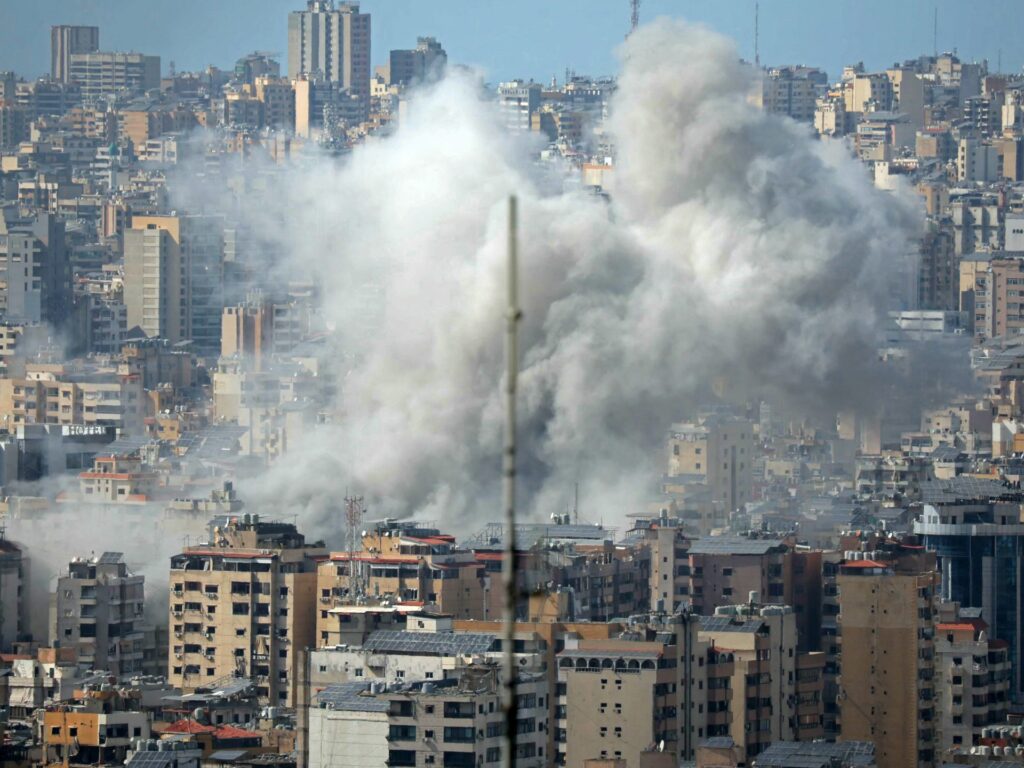
On a tense and tragic day, at least 14 individuals have been reported killed as a result of Israeli strikes across Lebanon. The air assaults, aimed at strategic targets within Lebanon, mark a significant escalation in the ongoing regional conflict. This military action is part of a broader confrontation involving Israel and Hezbollah, which has deepened in recent days.
In retaliation, Hezbollah, the Lebanese Shiite militant group and political party, fired projectiles targeting northern Israel. These attacks have further heightened tensions between the two sides and raised international concerns about the potential spiraling of violence into a wider regional war.
Israeli forces have simultaneously intensified their ground operations, pushing deeper into southern Lebanon. These maneuvers aim to target Hezbollah’s infrastructure and control points, reflecting Israel’s commitment to responding robustly to any threats posed by the group.
The conflict between Israel and Hezbollah is rooted in a long history of distrust, territorial disputes, and political differences. Hezbollah, backed by Iran and Syria, has a significant military presence in Lebanon and has been a recurrent adversary of Israel.
The recent strikes and counterattacks could worsen humanitarian conditions in Lebanon, where the civilian population already suffers from economic difficulties and the aftermath of previous conflicts. The international community has expressed concern and called for restraint from all parties involved.
Furthermore, the escalation raises fears of a protracted military campaign. Both sides have suffered casualties, and the risk of broader regional involvement remains high given Hezbollah’s connections with Iran and other actors.
The Israeli government has stated that its operations are necessary to defend its citizens and secure its borders against missile threats from Hezbollah. Meanwhile, Hezbollah declares its actions as resistance against Israeli aggression in Lebanese territory.
United Nations representatives and global powers are closely monitoring the situation. Diplomatic efforts may be necessary to de-escalate tensions and prevent further loss of life.
In summary, the recent deadly Israeli airstrikes across Lebanon, the retaliatory projectile fire by Hezbollah into northern Israel, and Israel’s deeper push into southern Lebanon mark a dangerous escalation in an already fragile conflict. The unfolding events underline the urgent need for dialogue, restraint, and international mediation to avoid further bloodshed and destabilization in the region.