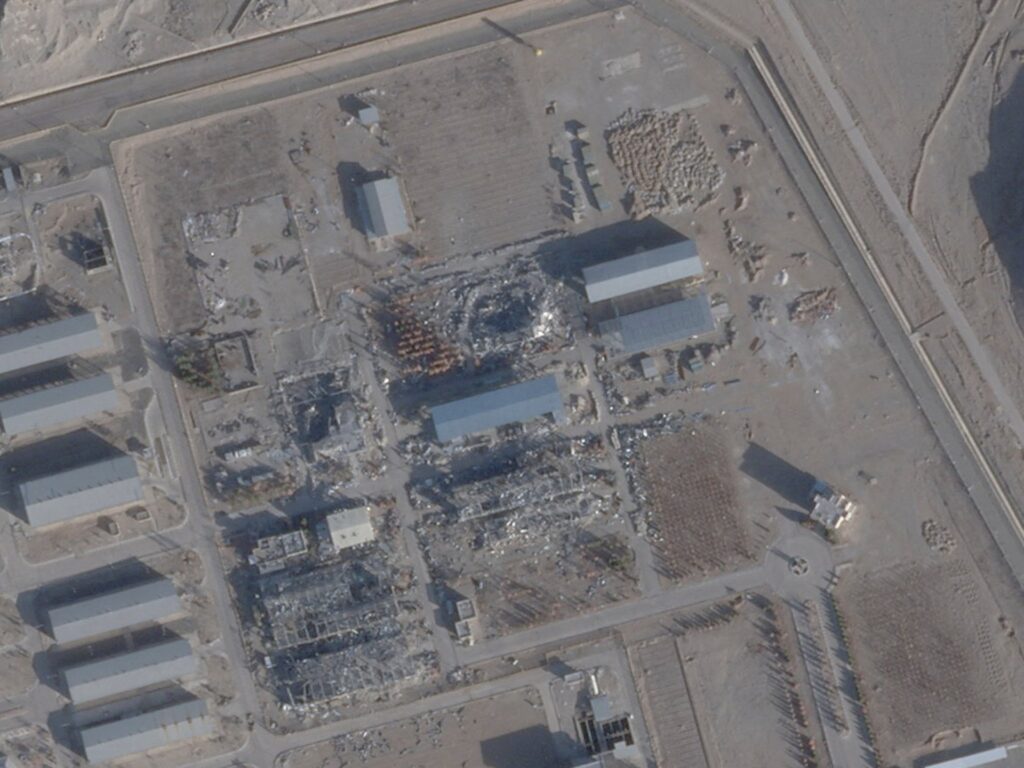
Planet Labs, a renowned US satellite imagery company, has announced a blackout on publishing images related to the ongoing conflict involving Iran, amid escalating tensions in the region. This decision comes in response to a request from the US government, highlighting the sensitive nature of satellite data during times of military conflict. The company stated that it would refrain from releasing satellite images that could be used in the US-Israel war on Iran. This move underscores the increasing control governments seek over the dissemination of geospatial information during conflicts.
Planet Labs operates a large constellation of Earth observation satellites that provide high-resolution images which are often used by media, governments, and private entities for various purposes including monitoring military movements and assessing conflict zones. However, the latest blackout indicates a shift towards prioritizing national security interests over commercial transparency.
The decision has raised discussions about the ethical responsibilities of satellite firms in conflict situations, balancing transparency with security. While some advocate for open access to satellite data to ensure accountability, others emphasize the risks such data might pose if used to harm national security or escalate conflicts.
This blackout takes place amid the broader ongoing US-Israel military activities aimed at Iran, where satellite imagery plays a crucial role in surveillance and intelligence gathering. With the US government’s involvement in requesting this blackout, it underscores the strategic importance of controlling war-related information in the digital age.
Observers note that this move might set a precedent for other satellite companies in handling sensitive geopolitical conflicts. It raises questions on how commercial satellite data providers will navigate government requests and international regulatory environments in future conflicts.
Planet Labs’ stance reflects a growing trend of private technology companies collaborating with governments on data governance during wartime, balancing business interests with national and global security considerations. The company’s action underscores the unique position satellite data holds at the intersection of technology, geopolitics, and international security.
This development draws attention to the evolving role of satellite imagery in modern warfare, where data dissemination can influence public perception, operational secrecy, and diplomatic relations. As conflicts become increasingly digital, satellite firms may face heightened scrutiny and regulatory constraints on their services.
The broader implications of this blackout are yet to unfold, but it signals a critical juncture in how satellite information is managed amid international conflicts. Planet Labs’ action marks a key moment in the intersection of commercial space technology and state security priorities.