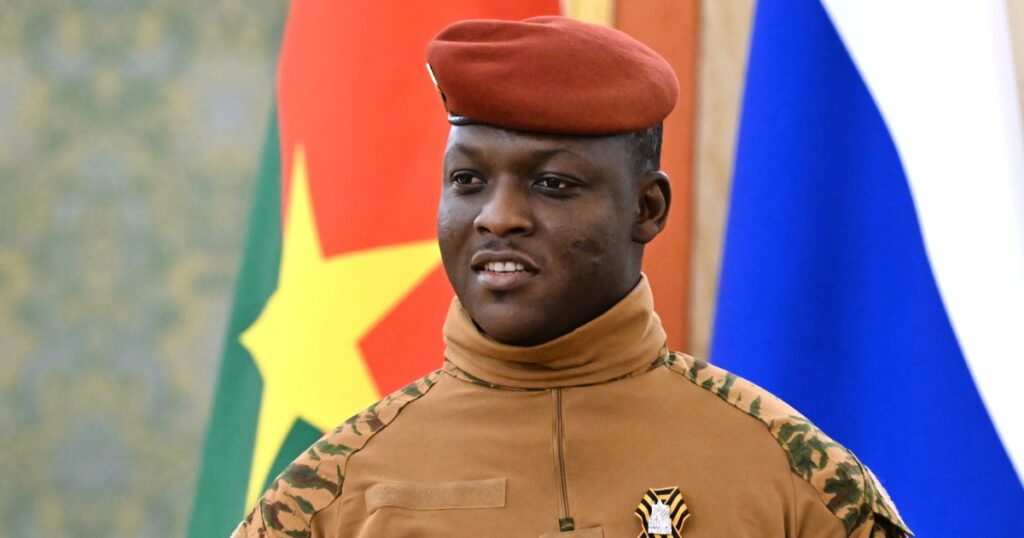
In a startling development, Burkina Faso’s military leader, Captain Ibrahim Traore, has emphatically declared that the country should “forget democracy,” signaling a decisive shift away from democratic governance. This announcement comes amid growing concerns over the political trajectory of the West African nation.
Captain Traore initially rose to power with promises of restoring democratic order, including commitments to hold elections. However, many of these pledges have been abandoned as the military regime consolidates control. In a controversial move, Traore has scrapped all political parties, effectively dismantling the political pluralism that forms the backbone of democratic systems.
This radical decision further entrenches military rule and quashes hopes for a speedy return to civilian governance. Observers note that the dissolution of political parties undermines the framework for competitive elections, restricting citizen participation and political freedoms.
Since seizing power, Traore’s administration has been criticized for its suppression of dissent and limited tolerance for political opposition. The military leader argues that the current political structures were ineffective and could not guarantee national stability or security, particularly in the face of ongoing threats from extremist groups in the region.
Burkina Faso has experienced significant instability in recent years, marked by coups and escalating violence. Traore’s rhetoric—directly dismissing democracy—marks a departure from the language typically used by leaders who maintain at least a nominal commitment to democratic processes.
International reactions to Traore’s announcement have been mixed but largely critical. Advocacy groups and foreign governments have expressed concern over the erosion of democratic norms and the potential for increased authoritarianism. Some fear the move might exacerbate social tensions and impede efforts to restore peace and order.
Despite these global concerns, Traore’s stance appears resolute. By sidelining political parties and calling off elections, he is consolidating power under military authority with little room for opposition movements or civil society engagement.
This shift raises urgent questions about the future of governance in Burkina Faso. The international community faces challenges on how to respond appropriately, balancing condemnation with efforts to support stability and peace in the troubled nation.
Many citizens of Burkina Faso remain hopeful for political reform and a return to democratic governance despite the current setbacks. The path ahead appears fraught with uncertainty as military rule tightens its grip on the country.
The situation in Burkina Faso is a stark reminder of the fragility of democratic institutions in regions under duress and reaffirms the importance of vigilance and support for democratic processes worldwide.