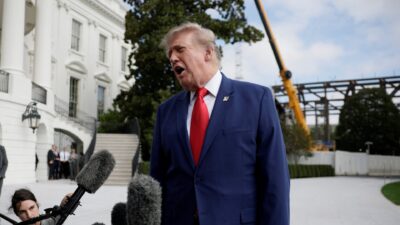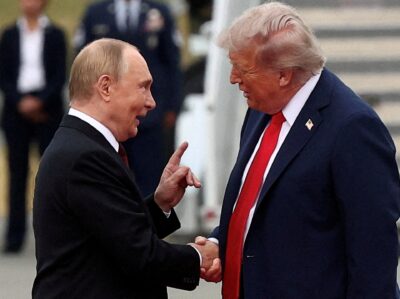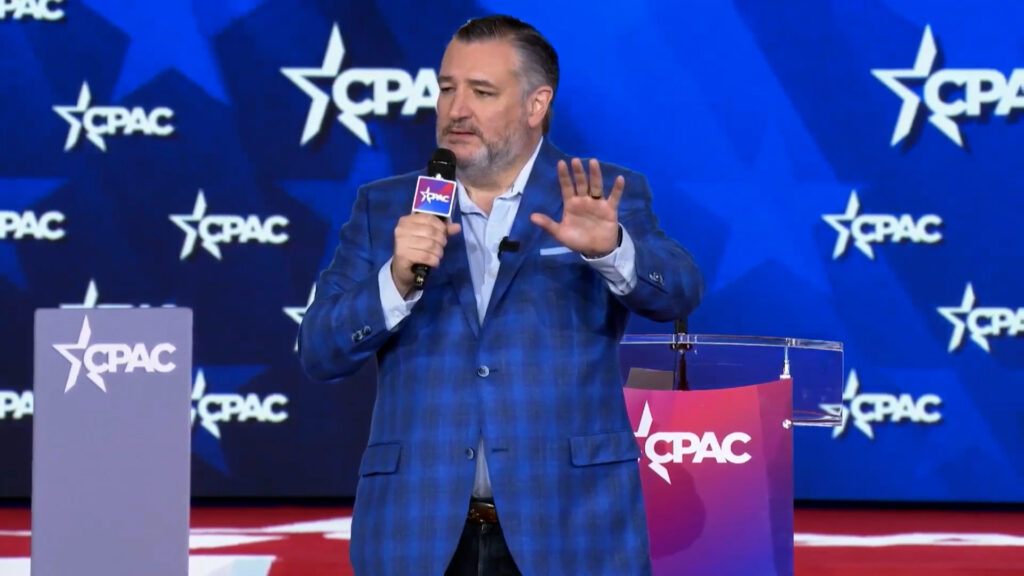
Senator Ted Cruz recently expressed his strong belief that the leadership dynamics in Venezuela, Cuba, and Iran could undergo significant transformations, driven by the policies and strategies adopted by then US President Donald Trump. During a public statement, Cruz emphasized that the firm stance taken by the Trump administration towards these nations might pave the way for new governments to emerge, signaling a shift away from the regimes currently in power.
Cruz highlighted the ongoing political and economic crises in Venezuela as a critical focus. He noted that the Trump administration’s pressure tactics, including sanctions and diplomatic isolation, aim to hasten the end of Nicolás Maduro’s controversial regime, which has faced widespread criticism for authoritarian practices and economic mismanagement.
Similarly, in Cuba, the senator pointed out that Trump’s policies, which marked a departure from the previous administration’s approach, sought to roll back the thaw in relations and apply pressure to the Cuban government. Cruz believes such measures could accelerate political change in Cuba, potentially leading to a government more aligned with democratic reforms.
Regarding Iran, Cruz underscored the Trump administration’s maximum pressure campaign targeting Tehran’s leadership. The campaign includes sanctions intended to cripple the country’s economy and limit its regional influence, particularly concerning its nuclear program and support for proxy groups.
Cruz’s comments align with a broader narrative that views Trump’s foreign policy as a catalyst for regime change in countries considered adversarial to US interests. While advocates praise the administration for adopting a tougher stance, critics warn of potential instability and unintended consequences.
The senator’s forecast of new governments emerging in these countries reflects hope among some US policymakers that sustained pressure can encourage democratic transitions and improve human rights conditions. However, it also raises complex questions about the future geopolitical landscape and the role of the US in supporting such changes.
As the international community watches developments in Venezuela, Cuba, and Iran, Cruz’s prediction adds to ongoing debates about the effectiveness and morality of leveraging economic and political pressure to influence regime outcomes. The coming years will be crucial in determining whether these countries indeed witness governmental changes or continue under their existing leadership.
This perspective from Senator Ted Cruz underscores the continuing tension and diplomatic challenges in US relations with Venezuela, Cuba, and Iran, while highlighting the broader strategic goals of the Trump administration in reshaping the political order in these regions.