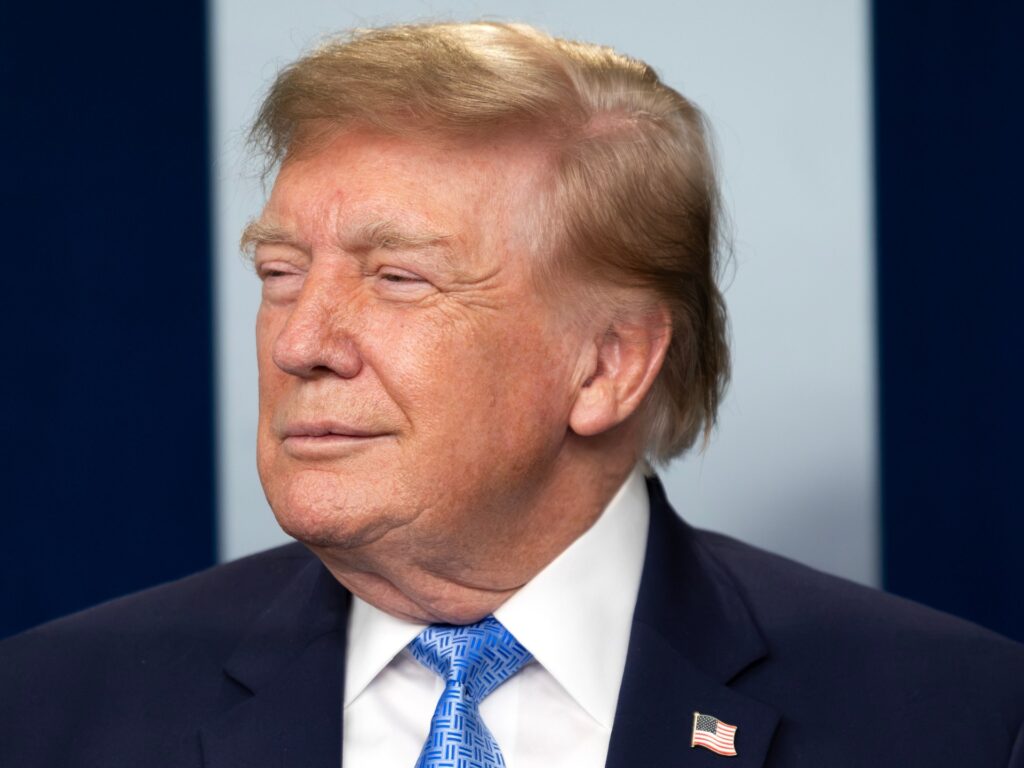
In a bold and controversial statement, U.S. President Donald Trump has suggested the possibility of toppling the authorities in Cuba before his term concludes. Labeling Cuba as a “failed nation,” Trump hinted at potential aggressive actions against the Cuban government, raising tensions between the two countries.
Throughout his presidency, Trump has maintained a tough stance on Cuba, reversing some of the diplomatic advances made by his predecessor. His recent comments mark a further escalation in rhetoric, signaling a shift toward a more confrontational approach.
The president’s suggestion has sparked apprehension among global leaders and experts who fear it could destabilize the region. Cuba has historically been a focal point of U.S.-Latin American relations, and any move to undermine its government could have far-reaching consequences.
Analysts note that Trump’s language aligns with his broader foreign policy of exerting maximum pressure on adversarial regimes. However, critics argue that such actions could worsen the humanitarian situation in Cuba and alienate international allies.
The Cuban government has yet to respond officially to Trump’s remarks but is expected to issue a statement condemning the threat. Meanwhile, diplomatic channels remain strained, with limited communication between the two nations.
This development comes amid ongoing debates within Washington about the U.S. approach to Cuba, balancing human rights concerns, regional security, and strategic interests.
As President Trump’s term nears its end, the world watches closely to see if these words translate into concrete actions or remain rhetorical posturing. The implications of any U.S. intervention in Cuba could reshape geopolitical dynamics in the Western Hemisphere.