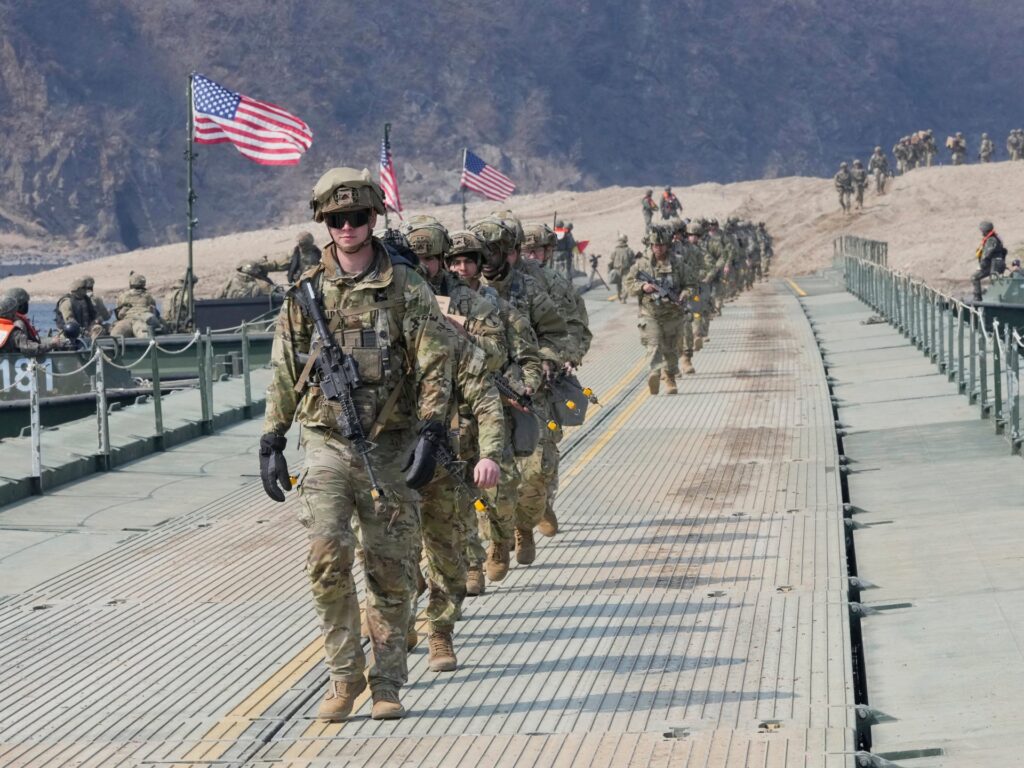
The Pentagon is gearing up for what could be weeks of ground operations in Iran, signaling a significant escalation in US military involvement in the strategically crucial regions of the country. This preparation comes amid ongoing uncertainty about whether former President Donald Trump has formally approved these plans.
According to defense officials, the proposed limited ground operations are aimed at targeting key areas within Iran that are vital to its military and strategic infrastructure. These operations could involve a substantial deployment of US troops and resources with the goal of disrupting Iran’s capabilities and deterring further hostile activities.
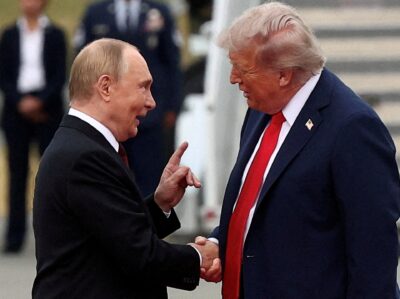
The situation presents a complex challenge, as the Pentagon navigates the political landscape surrounding presidential approval, especially given Trump’s previous mixed statements about military engagement in the Middle East. The lack of clear endorsement from the former president has led to questions about the timing and scale of the operations.
Experts suggest that these ground operations might be part of a broader strategy to counter Iran’s influence in the region, especially in light of ongoing tensions involving nuclear programs, missile development, and proxy conflicts across neighboring countries.
The Pentagon’s readiness reflects a shift from previous policy stances that prioritized airstrikes and sanctions over ground interventions. This change underscores the increasing intensity of US-Iran relations and underscores the potential for a more prolonged military presence if the operations proceed.
While the plans remain contingent on final approval, military commanders on the ground are reportedly finalizing logistics, including troop deployments, supply chains, and coordination with allied forces in the area.
The potential operations have drawn mixed reactions internationally, with some allies expressing concern over escalation risks, while others support decisive measures to curb Iran’s regional ambitions.
The unfolding developments signal a critical moment in US foreign policy and military strategy in the Middle East, with the consequences likely to reverberate across global geopolitical dynamics for weeks to come.