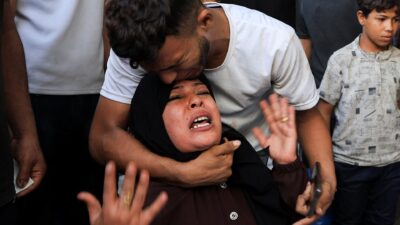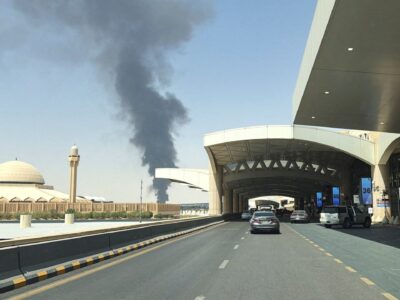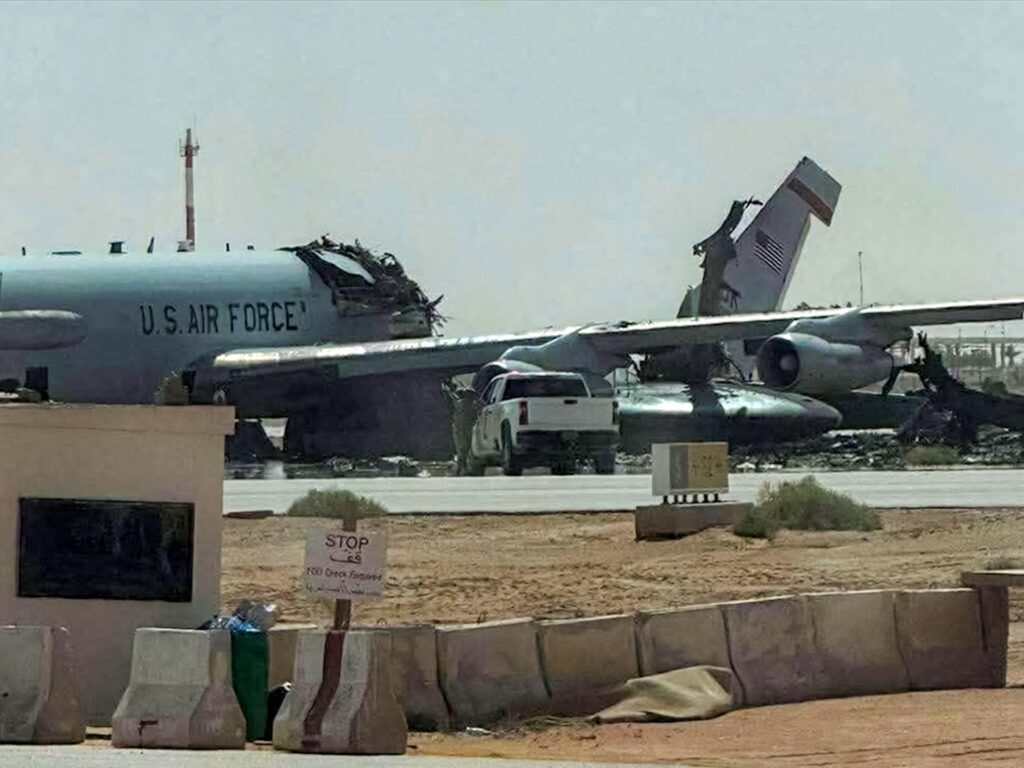
The ongoing conflict involving Iran and its regional engagements has intensified, with recent attacks causing significant casualties and damage. A power station in Kuwait has been hit during an Iranian raid, marking a severe escalation in hostilities across the Gulf region. Tragically, Kuwait has confirmed that an Indian worker was killed in this attack, highlighting the human cost of the conflict beyond military personnel.
Simultaneously, Israel has reported intercepting and downing several drones launched by the Houthi movement from Yemen, which is aligned with Iran. These actions underline the complex web of proxy engagements in the Middle Eastern conflict involving Iran and its allies against Israeli and Gulf Arab interests.
This surge in violence comes amid heightened tensions that have been brewing for months, involving Iran’s nuclear ambitions, its support for militant groups, and a spate of attacks targeting energy infrastructure in the Gulf. The attack on the Kuwait power station is particularly significant as it disrupts critical energy supplies in a region heavily reliant on oil and gas exports.
International actors have expressed concern over the escalating violence. The Gulf Cooperation Council (GCC) condemned the attack on Kuwait and called for immediate de-escalation, emphasizing the need for dialogue and diplomatic resolution to prevent further loss of life and regional destabilization.
Kuwait’s government has vowed to strengthen its security measures and seek support from international partners to protect its infrastructure and citizens. Meanwhile, Israel’s defensive operations against Houthi drones demonstrate the ongoing security challenges faced by the state amidst Iran’s regional policies.
This escalation also poses risks to global oil markets, with the Gulf region being a critical artery for energy exports worldwide. Market analysts are closely monitoring the situation, as prolonged conflict could lead to supply disruptions and volatility in energy prices.
The international community continues to call for restraint and renewed efforts towards peaceful negotiations. The dynamic and fraught situation in the Gulf underscores the broader geopolitical struggles that define the Middle East, with Iran’s role as a central actor in the regional conflict.
As the situation develops, updates will continue to emerge, shedding light on the impact of these attacks and the evolving security posture of the Gulf states and their allies. The death of the Indian worker in Kuwait serves as a somber reminder of the conflict’s human toll and the urgent need for international engagement to restore stability in the region.