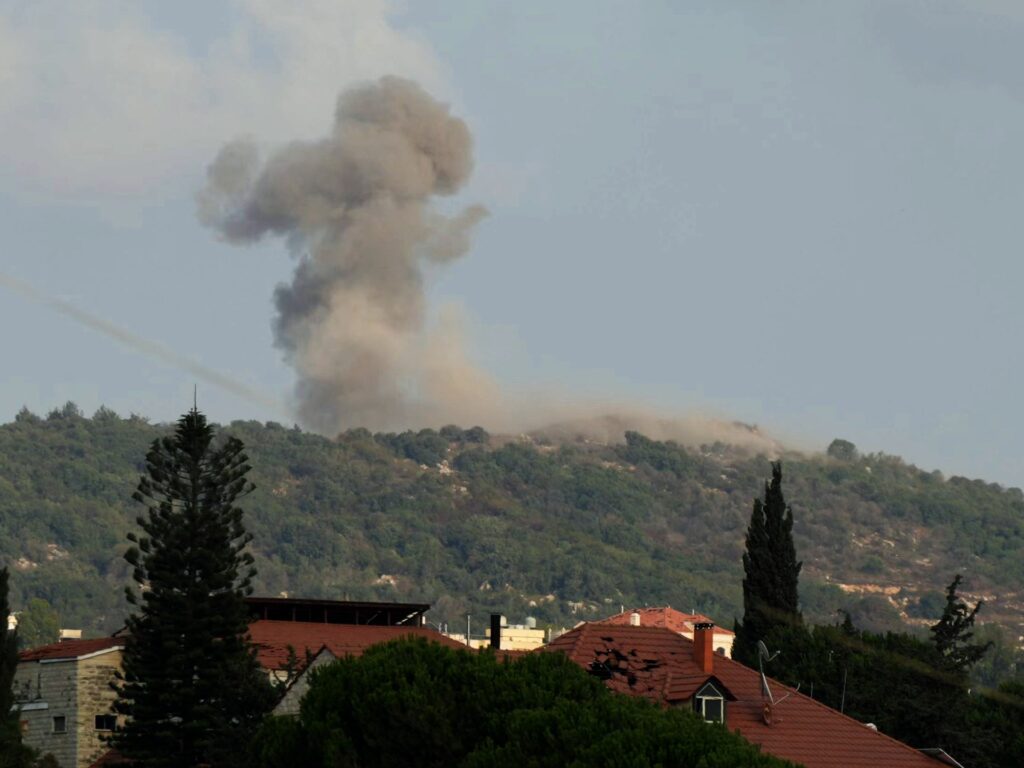
In a significant development, the Israeli Defence Ministry has announced that it has established operational control over the Ali al-Taher ridge, a pivotal highland area in Lebanon. This strategic position overlooks a broad swath of territory and holds considerable military significance for both Israel and Lebanon. The ridge’s control could potentially influence future military engagements, surveillance capabilities, and territorial dominance in the region.
The Ali al-Taher ridge is known for its elevated vantage points, enabling forces stationed there to monitor movements across a wide area. This control offers Israel a tactical advantage, enhancing early warning systems against potential threats, particularly from Hezbollah, the Lebanese armed militant group. While Israel asserts its control, Hezbollah has yet to issue any formal response or confirmation regarding the new status of the ridge.
Strategically, holding the Ali al-Taher ridge allows Israel to strengthen its northern defenses along the Lebanon-Israel border. This highland area has often been a contested zone, given its proximity to key routes and settlements on both sides of the border. Control over such terrain is vital for defensive and offensive military operations, enabling enhanced surveillance, artillery positioning, and rapid maneuvering.
The announcement comes amid ongoing tensions in the region where Hezbollah continues to pose a significant security concern for Israel. Hezbollah’s military capabilities and its close ties with Iran add layers of complexity to the security dynamics. The control of the ridge could potentially disrupt Hezbollah’s operations and reduce their maneuvering space.
For Lebanon, the loss of control over the Ali al-Taher ridge represents a significant territorial and psychological setback. The highland’s strategic value means that it is not just a piece of land but a key factor in Lebanon’s defense planning. The situation might escalate if Hezbollah chooses to react militarily or politically, which could lead to heightened tensions or conflict.
The international community is closely monitoring the developments, given the fragile stability in the Lebanon-Israel border region. Any shifts in territorial control are likely to impact ongoing peacekeeping efforts and diplomatic relations. Nations involved in mediating Middle Eastern conflicts will be watching Israel’s new operational stance closely.
This development highlights the ongoing volatility and complexity of the Lebanon-Israel frontier, reflecting decades of conflict, territorial disputes, and geopolitical rivalries. As Israel consolidates its hold over the Ali al-Taher ridge, the broader implications for regional security, military strategy, and political negotiations will unfold in the coming days and weeks.