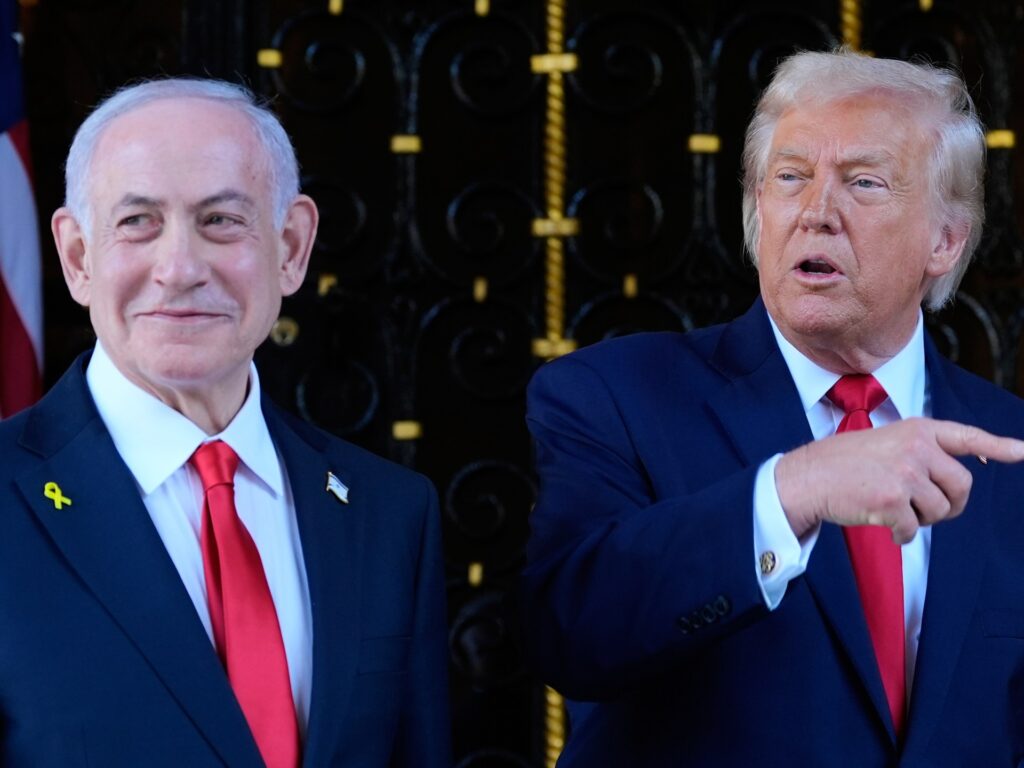
The recent reports of potential negotiations between the United States and Iran have left many in Israel grappling with uncertainty and confusion. Previously, the Trump administration had taken a hardline stance, hinting at possible military action against Iran. However, a sudden pivot towards diplomatic talks surprised not only international observers but also Israeli analysts.
From Israel’s perspective, the U.S. pivot presents a complex and uneasy scenario. For years, Israel has viewed Iran as a principal threat to its national security, particularly emphasizing the dangers posed by Iran’s nuclear ambitions and its support for proxy groups hostile to Israel in the region.
The shift from threats of strikes to dialogue raises questions within Israeli policy circles about the reliability of U.S. commitments and the strategic implications of re-engagement with Tehran. Analysts in Israel suggest that this move by the Trump administration could undermine Israel’s position, potentially embolden Iran, and complicate regional alliances.
Some Israeli experts express concern that American talks might signal a weakening of sanctions that have been pivotal in containing Iran’s ballistic missile development and nuclear program. Such a development could destabilize the already fragile security balance in the Middle East.
There is also political anxiety, as Israel’s government has been vocally critical of Iran and has invested significant diplomatic capital in rallying international opposition against Tehran’s nuclear pursuits. A change in U.S. policy without prior Israeli consultation might be perceived as a sidelining of Israeli interests.
Conversely, a minority viewpoint argues that renewed dialogue could open doors to de-escalation in the region, reducing the risk of military confrontation which has driven instability and undermined economic and security interests.
The Israeli public and policymakers alike are currently digesting this abrupt change in U.S. approach. The move underscores the unpredictable nature of U.S. foreign policy under the Trump administration, making it challenging for Israel to plan its next steps effectively.
In summary, while the reported U.S.-Iran negotiations might offer hopes for peaceful resolution, they simultaneously thrust Israel into a state of strategic ambiguity. Israeli analysts continue to monitor these developments closely, advocating for clear and consistent policy signals from Washington to better align with Israel’s security concerns and regional strategy.