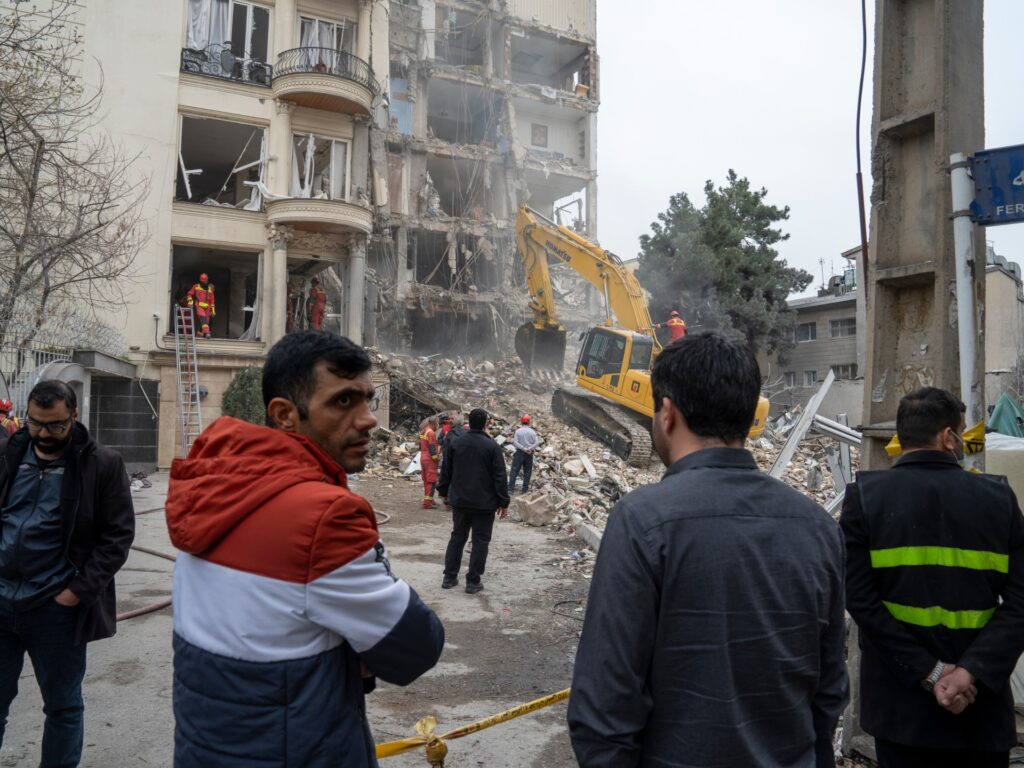
In recent developments, the ongoing conflict between the United States, Israel, and Iran appears far from resolution despite claims from former US President Donald Trump about peace negotiations. Large explosions were reported across Tehran and several other cities, marking a significant escalation in military activity.
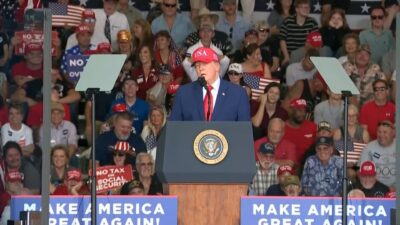
These strikes come amid conflicting narratives. While Trump suggested that discussions aimed at ending hostilities were underway, Iranian officials have firmly denied engaging in any talks with the US regarding ceasefire or peace agreements. Tehran’s government maintains that no such diplomatic efforts have taken place.
The attacks by US and Israeli forces have targeted strategic locations within Iran, exacerbating tensions in an already volatile region. The reasons behind the strikes have not been fully disclosed, but they are believed to be linked to ongoing disputes over Iran’s nuclear program and regional influence.
Iran’s response to the bombings has been strong, condemning what it describes as aggression and violations of its sovereignty. Iranian leaders have vowed to retaliate and defend their nation against further incursions.
International reactions to this surge in hostilities have been mixed. Some countries call for urgent diplomatic engagement to prevent further escalation, while others have expressed support for Iran’s right to defend itself.
The situation remains precarious, with the risk of broader conflict increasing as military actions continue despite public claims of peace efforts. Analysts warn that without genuine dialogue and compromise, the cycle of violence may persist, impacting regional stability and global security.
In summary, despite assurances from certain US political figures about potential peace talks, the reality on the ground is one of ongoing conflict and confrontation. The explosions witnessed across Iranian cities underscore the dangerous gap between rhetoric and reality in this complex geopolitical struggle.