The conflict in the Middle East has escalated dramatically, with recent reports indicating casualties in an attack on Tel Aviv. The attack marks a significant moment in the ongoing regional tensions that have drawn global attention. Israel, responding to the assault, has launched strikes on Lebanese territory, further intensifying the conflict and raising concerns about a broader escalation in the region.
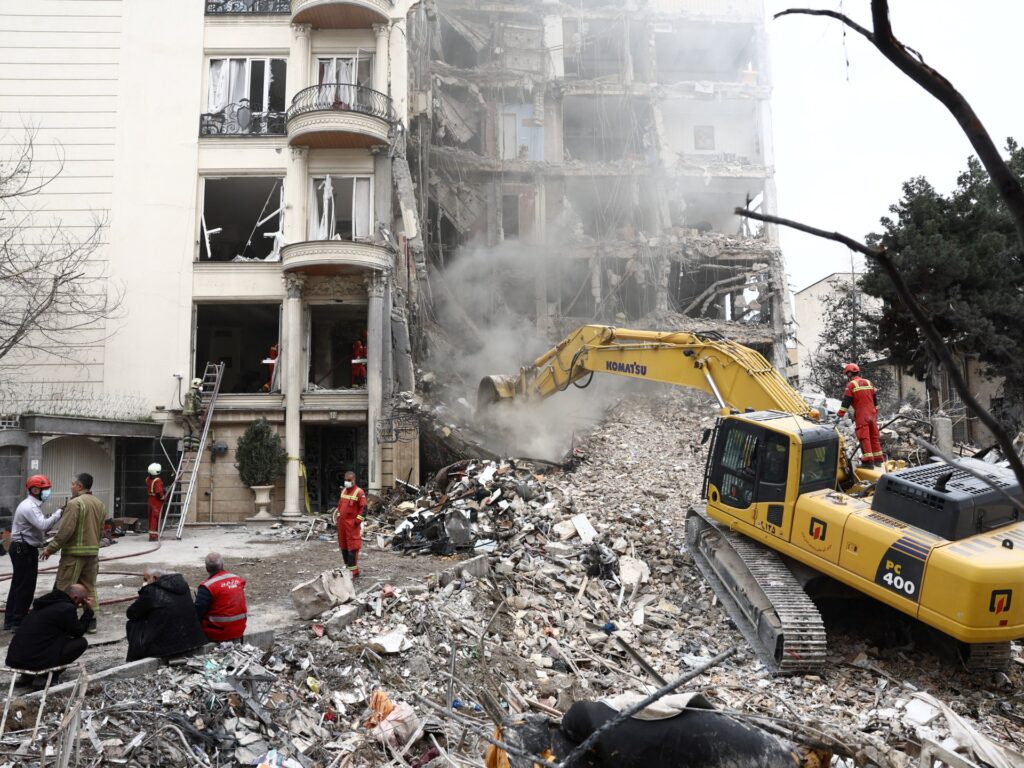
The attack on Tel Aviv resulted in significant casualties, though exact numbers remain unclear amid the chaos and ongoing military operations. This sudden violence has triggered a swift response from Israeli defense forces, who targeted what they claim are military sites in Lebanon linked to hostile groups. The strikes highlight Israel’s determination to deter further attacks and to assert its security in the face of growing threats.
Against this backdrop of violence, Iran’s Revolutionary Guard has made a strong political statement, criticizing former U.S. President Donald Trump. They have described him as a “deceitful American president” and accused him of “contradictory behaviour.” This rhetoric reflects the deep animosity and complex geopolitical dynamics that characterize Iran’s relations not only with Israel but also with the United States.
The Revolutionary Guard’s remarks come amid a backdrop of accusations and counter-accusations. They signal Tehran’s frustration with the U.S. administration’s policies, particularly those from the Trump era, which included stringent sanctions on Iran and a hardline stance on Iranian military activities.
This current violence underscores the fragility of peace in the Middle East. The region has long been a hotspot for conflict, with deep-seated political, religious, and cultural divisions fueling cycles of violence. The attack on Tel Aviv and the subsequent Israeli strikes in Lebanon may serve as a catalyst for further confrontations, not just within Israel and Lebanon but potentially involving other regional powers.
International reactions to the escalating conflict vary, with many urging restraint and dialogue. The United Nations and other global bodies have called for calm and the pursuit of peaceful resolutions, though the ground situation remains volatile. The involvement of Iran, Israel, Lebanon, and indirectly the United States, showcases the intricate web of alliances and hostilities that complicate efforts towards peace.
This latest development also brings into focus the impact on civilians caught in the conflict zones. Both in Tel Aviv and Lebanese areas targeted by Israel, there are reports of displacement, casualties, and damage to infrastructure, which exacerbate humanitarian concerns.
As the situation unfolds, the world watches closely, hoping for de-escalation and a return to negotiations. However, the strong language from Iran’s Revolutionary Guard and the rapid military responses suggest that tensions remain high, and the path to peace is fraught with challenges.
This conflict is a stark reminder of the persistent volatility in the Middle East, where historical grievances and present-day politics collide with devastating consequences. The international community faces the daunting task of navigating these complexities to foster stability and prevent further suffering in the region.