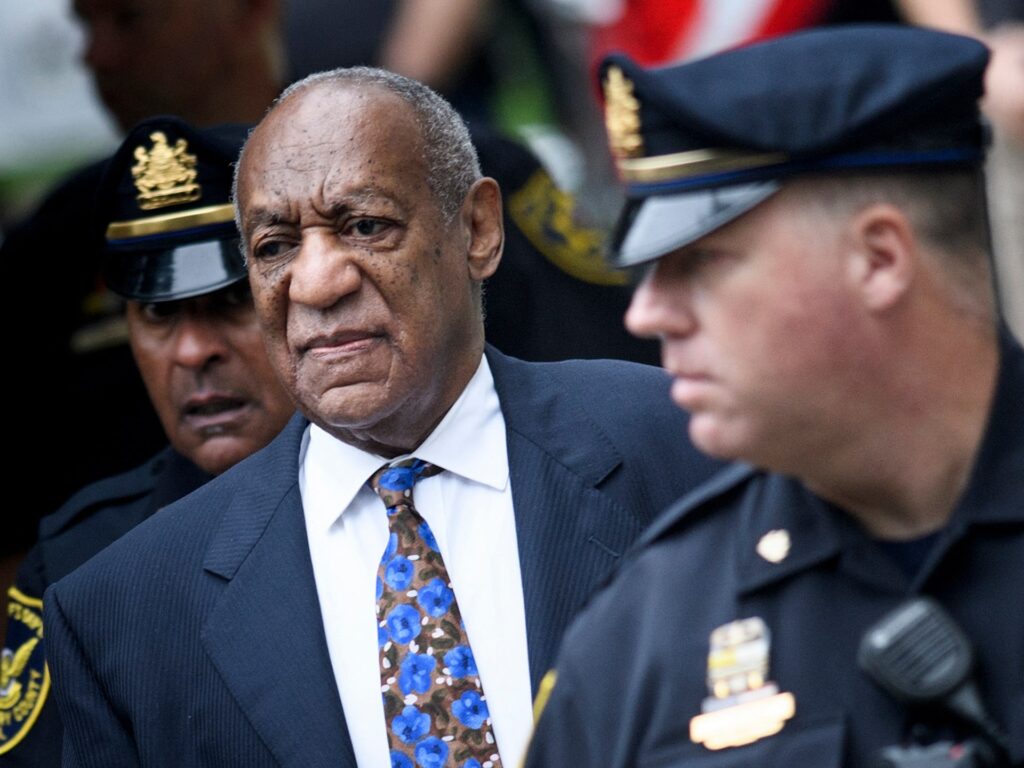
In a landmark legal decision, renowned actor Bill Cosby has been found guilty of sexual assault dating back to 1972. The verdict comes after decades of allegations surfaced against Cosby, with at least 60 women accusing him of various forms of sexual misconduct. Despite the numerous accusations, Cosby has consistently denied all charges.
The recent court ruling marks a significant moment in the ongoing battle against sexual misconduct within the entertainment industry and beyond. The victim in the 1972 case was awarded nearly $60 million in damages, underscoring the severity of the offense and the court’s determination to deliver justice.
Bill Cosby’s legal troubles began to intensify in the mid-2010s, as several women courageously came forward with accounts of inappropriate behavior, assault, and abuse. These allegations ranged over several decades, painting a troubling picture of the actor’s private conduct contrasting his public persona as a beloved entertainer and comedian.
The trial that led to this verdict was exhaustive, involving extensive testimonies and evidence presented by the prosecution. The victim, whose identity has been protected, testified about the traumatic experience endured in 1972, when Cosby allegedly assaulted her.
The legal proceedings have sparked a wider cultural discussion surrounding consent, power dynamics, and the treatment of women in Hollywood and other industries. The #MeToo movement, which gained traction in recent years, played a pivotal role in encouraging survivors to speak out and seek justice, even decades after their experiences.
Cosby’s conviction has elicited mixed reactions from the public and entertainment circles. Supporters of the verdict praise the court’s courage to hold a high-profile figure accountable, while some critics question the fairness of addressing such old cases.
Regardless of differing opinions, the ruling serves as a powerful reminder of the importance of accountability and the evolving standards for addressing sexual assault allegations. It reinforces the message that justice can prevail, even if delayed, and emboldens other survivors to come forward.
This case also highlights the legal challenges attached to historical sexual assault claims, including evidence limitations and memories from many years ago. Nevertheless, the court’s decision reflects a growing societal acknowledgment of the need to support victims and confront abuse.
Bill Cosby now faces the consequences of his actions as determined by the judicial system. This outcome might also have implications for other pending cases and civil suits involving his alleged misconduct.
As the entertainment industry and society continue to grapple with issues of sexual misconduct and harassment, this verdict could signal a shift towards more justice and safety for survivors everywhere.
In conclusion, the guilty verdict against Bill Cosby for the 1972 sexual assault and the substantial financial award to the victim mark a critical juncture in the fight against abuse and impunity. It demonstrates the power of perseverance, the importance of believing survivors, and the evolving landscape of justice in cases of sexual violence.