Amid escalating tensions and a war of words centered around Iran, the Strait of Hormuz has become a focal point of international concern. This narrow but strategic waterway is a vital artery for global oil shipments and has long been a flashpoint in Middle Eastern geopolitics. Recent events have amplified anxieties about potential disruptions in oil supplies and the stability of the region.
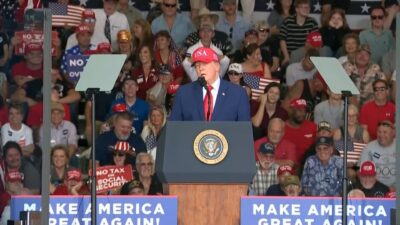
The United States, under President Donald Trump’s administration, has called upon NATO allies to play a more active role in securing the Strait of Hormuz. Trump emphasized the importance of safeguarding this critical maritime passage, especially as soaring oil prices have raised alarms worldwide. The US argues that collective security efforts are necessary to ensure freedom of navigation and to deter Iranian threats that could destabilize the global oil markets.
Despite these appeals, European Union (EU) leaders have firmly rejected direct military involvement in the Strait of Hormuz. This pushback reflects a cautious approach driven by concerns over escalating military conflict and the desire to avoid being drawn into a broader war in the Middle East. EU officials have underscored preference for diplomatic channels and international cooperation rather than deploying troops or military assets in the region.
The EU’s decision is shaped by multiple factors, including the complexities of the Iran nuclear deal (JCPOA), economic ties with Iran, and the overarching goal of regional stability. European nations have advocated for dialogue and de-escalation as primary tools to address the ongoing crisis rather than military confrontation.
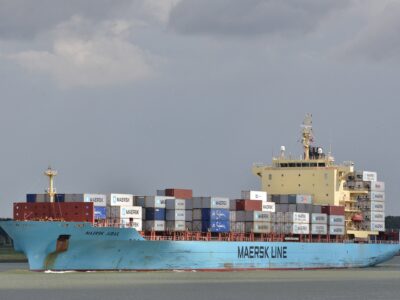
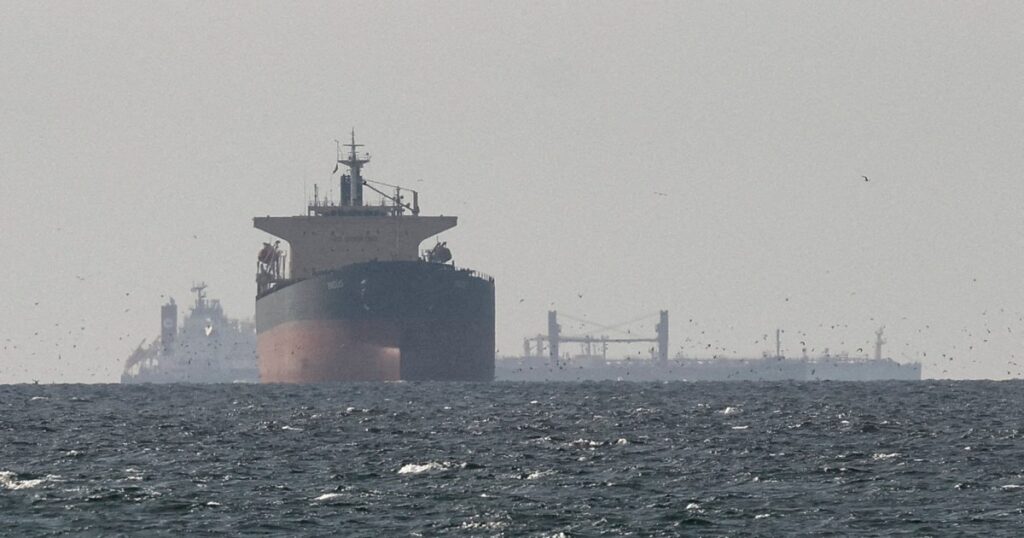
The Strait of Hormuz is a narrow passage situated between the Persian Gulf and the Gulf of Oman. Approximately 20 to 30 percent of the world’s petroleum passes through this strait, making it one of the most significant maritime chokepoints for energy supplies globally. Any disruption, whether through military action or blockades, poses a serious threat to international trade and energy security.
Iran has repeatedly signaled willingness to close the strait in retaliation for sanctions or military action, raising the stakes for all concerned parties. Tehran’s threats have fueled fears of a potential conflict that could involve multiple countries and disturb the delicate balance in the region.
The EU’s position highlights divisions within the international community over how to respond to Iran. While the US continues to adopt a hardline stance, European allies appear more committed to a diplomatic solution, wary of the consequences of military engagement.
This divergence has complicated transatlantic relations and posed challenges for NATO unity. European leaders worry about being entangled in a conflict that could spiral out of control without clear benefits to their national or regional interests.
The situation has also attracted attention from other global powers, including China and Russia, which have expressed concerns about freedom of navigation but oppose actions that might escalate tensions. They have called for restraint and dialogue in resolving disputes related to the Strait of Hormuz.
Energy markets remain volatile amid these geopolitical developments. Oil prices have surged in response to the uncertainty, impacting consumers and economies worldwide. The vulnerability of supply routes like the Strait of Hormuz underlines the interconnectedness of security and economic stability.
In summary, European Union leaders have rejected US calls for military involvement in securing the Strait of Hormuz. They prefer a diplomacy-centered approach to mitigate tensions with Iran amidst a backdrop of a potential conflict that threatens global energy supplies and regional stability. The coming weeks and months will be crucial in determining whether tensions escalate or if peaceful resolutions can be brokered to maintain the security of this vital maritime corridor.