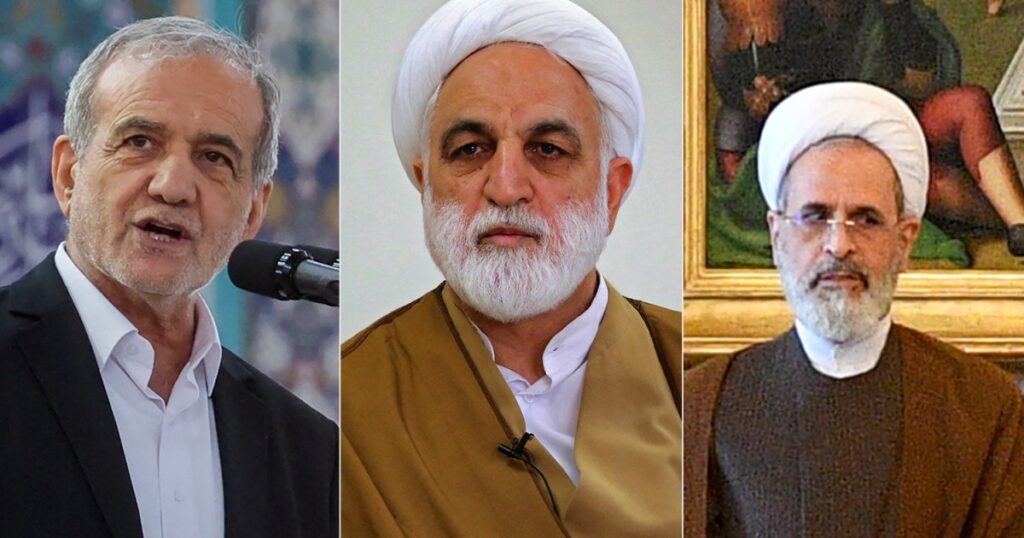
Iran is currently being led by a temporary three-member leadership council until the successor to Supreme Leader Ayatollah Ali Khamenei is selected. This interim council includes prominent clerics and political figures who have been entrusted with the responsibility of guiding the country during this transitional period. Among these key figures is Ayatollah Arafi, a well-known religious authority. The formation of this leadership council marks a significant moment in Iranian politics, ensuring continuity of governance and stability. The selection process for Khamenei’s successor is expected to be closely monitored by political analysts and the international community, as it will shape the future trajectory of Iran’s domestic and foreign policies. The three-member council will collectively handle the duties of the Supreme Leader, making decisions on critical national matters, maintaining oversight of the military, judiciary, and other state institutions, and providing guidance in religious and ideological issues that influence the nation’s governance. This arrangement highlights the unique political structure of Iran, where power is deeply intertwined with religious authority. The council’s role underscores the importance of consensus among Iran’s religious elite during times of transition. With Ayatollah Arafi among the council members, the leadership maintains a strong connection to the core principles of the Islamic Republic. This transitional council also reflects the political balance within the country, as different factions within the clerical establishment coordinate to prevent instability. Analysts view the temporary council as a mechanism designed to uphold the existing system and avoid any power vacuum that could lead to unrest or political upheaval. The members of the council are expected to operate with caution and deliberation, respecting the established protocols until the official successor is announced. The situation remains dynamic, with ongoing discussions among Iran’s ruling bodies and the Assembly of Experts, which holds the authority to appoint the next Supreme Leader. The new leadership council’s formation is a testament to Iran’s political resilience and its ability to manage complex transitions within its theocratic government framework. The international community continues to watch closely as Iran navigates this critical phase in its leadership, which could have implications for regional stability and international relations. Understanding the roles and responsibilities of this three-member leadership council is key to comprehending the current state of governance in Iran. Their stewardship ensures that the country’s strategic objectives and ideological commitments remain intact during the leadership transition. This temporary governance model also emphasizes the collective nature of decision-making in the absence of a single Supreme Leader. In conclusion, Iran’s temporary three-member leadership council, including Ayatollah Arafi, is now the central authority managing the nation’s affairs until the successor to Ayatollah Khamenei is chosen. Their leadership will be crucial in maintaining continuity, stability, and adherence to the Islamic Republic’s principles in this pivotal moment of transition.