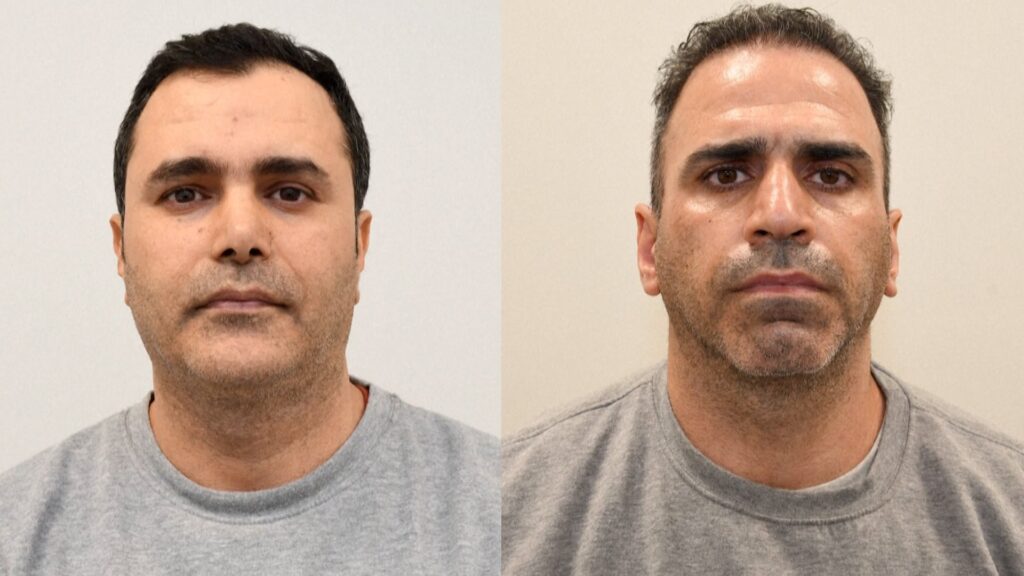
In a significant legal development, two Iranian men have been convicted under the United Kingdom’s National Security Act for spying on dissident British journalists. The case highlights ongoing tensions regarding espionage and the protection of press freedom within the UK.
The individuals, whose identities have not been disclosed publicly due to security reasons, were found guilty of clandestine surveillance activities targeting journalists critical of the Iranian regime. This conviction was part of a broader effort by British authorities to counteract foreign intelligence operations on British soil, particularly those aimed at undermining journalistic independence and freedom of expression.
British officials emphasized the seriousness of the crime, noting that spying activities can jeopardize national security and the safety of individuals committed to free speech. The National Security Act, under which the men were prosecuted, is designed to address threats posed by espionage, terrorism, and other activities deemed detrimental to the UK’s security interests.
The convicted men reportedly engaged in covert operations, including the monitoring of communications and movements of journalists who had taken critical stances against the Iranian government. Their actions were described as a direct attack on press freedom, which is a cornerstone of democratic societies.
Law enforcement agencies conducted a thorough investigation that involved intelligence gathering, surveillance, and collaboration with international partners to build the case against the accused. The successful prosecution sends a clear message that the UK will not tolerate foreign interference aimed at stifling dissent or manipulating the media landscape.
This case also sheds light on the challenges journalists face worldwide, particularly those who report on contentious political regimes. The repression of free press through espionage and intimidation is a tactic used by some governments to silence opposition voices and control narratives.
Human rights organizations and press freedom advocates have welcomed the conviction, viewing it as a victory for journalists and a reaffirmation of the UK’s commitment to protecting freedom of expression. However, they also warn of the persistent threats posed by foreign espionage and urge continued vigilance and robust protective measures.
The sentencing of the two men underscores the importance of legal frameworks aimed at safeguarding national security while upholding the principles of democracy and human rights. It also highlights the delicate balance governments must maintain when addressing espionage cases that involve politically sensitive issues.
As the global political landscape evolves, the protection of journalists and the prevention of foreign espionage remain paramount. This case serves as a precedent for how democratic nations can respond decisively to covert threats against the press and national security.
In conclusion, the conviction of the two Iranian men under Britain’s National Security Act marks a crucial step in protecting dissident journalists and maintaining the integrity of journalistic freedom. It also reinforces the UK’s stance against espionage activities that threaten its democratic values and the safety of its residents.