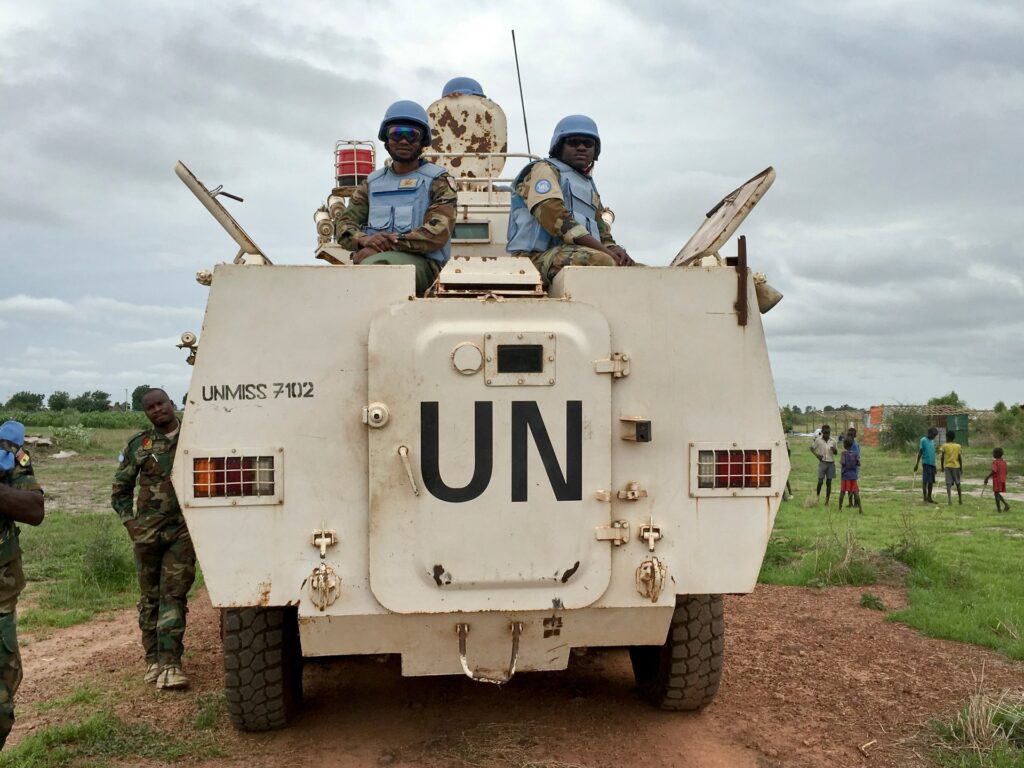
A recent report by Amnesty International has condemned both United Nations peacekeepers and South Sudanese government officials for their failure to prevent a brutal massacre in the village of Abiemnom. Over 200 civilians were killed in a violent raid that shocked the international community and raised serious concerns about the effectiveness of peacekeeping and protection efforts in conflict zones.
According to Amnesty’s findings, peacekeepers stationed in the area were aware of the potential for an attack on the village prior to the massacre taking place. Despite warnings and indications of an imminent raid, no adequate measures were taken to neutralize the threat or evacuate residents, leading to catastrophic loss of life.
The village of Abiemnom, located in a region plagued by ongoing violence and intercommunal conflict, was targeted in what has been described as a planned and systematic assault. The attackers reportedly used excessive force, resulting in widespread death and injury among a largely defenseless population.
Amnesty International’s report highlights a troubling pattern of negligence and inaction, not only on the part of UN peacekeepers but also local South Sudanese officials who failed to provide security assurances or react decisively to intelligence about the impending attack. The organization called for a thorough investigation and accountability for those responsible for the failure to protect civilians.
This massacre underscores the complex challenges facing peacekeeping missions and the imperative need for robust mandates, sufficient resources, and proactive strategies to safeguard vulnerable communities in conflict zones. Human rights advocates emphasize that prevention must be prioritized alongside peacekeeping to prevent similar tragedies in the future.
In response to the report, UN representatives have expressed regret over the incident and pledged to review the circumstances surrounding the peacekeepers’ response. They emphasized their commitment to improving operational practices and enhancing coordination with South Sudanese authorities to better anticipate and mitigate threats.
Meanwhile, South Sudan officials have faced criticism for their inadequate protection of citizens and the failure to maintain law and order. The government’s capacity to manage security risks remains under scrutiny as the nation continues to grapple with internal strife and the consequences of prolonged conflict.
Local communities, survivors, and families of victims are demanding justice and measures to prevent recurrence of such atrocities. The massacre has left deep scars in Abiemnom, an area already vulnerable due to limited infrastructure and historical marginalization.
Amnesty International’s report serves as a stark reminder of the human cost of conflict and the urgent need for effective governance, international cooperation, and respect for human rights to prevent mass violence. It further calls for sustained international attention and support to stabilize South Sudan and protect civilian populations.
In conclusion, the failure to prevent the Abiemnom massacre has highlighted significant gaps in peacekeeping and government response in South Sudan. With over 200 lives lost, the tragedy demands accountability, improved security frameworks, and renewed commitment from all stakeholders to ensure the safety and dignity of vulnerable communities in volatile regions.