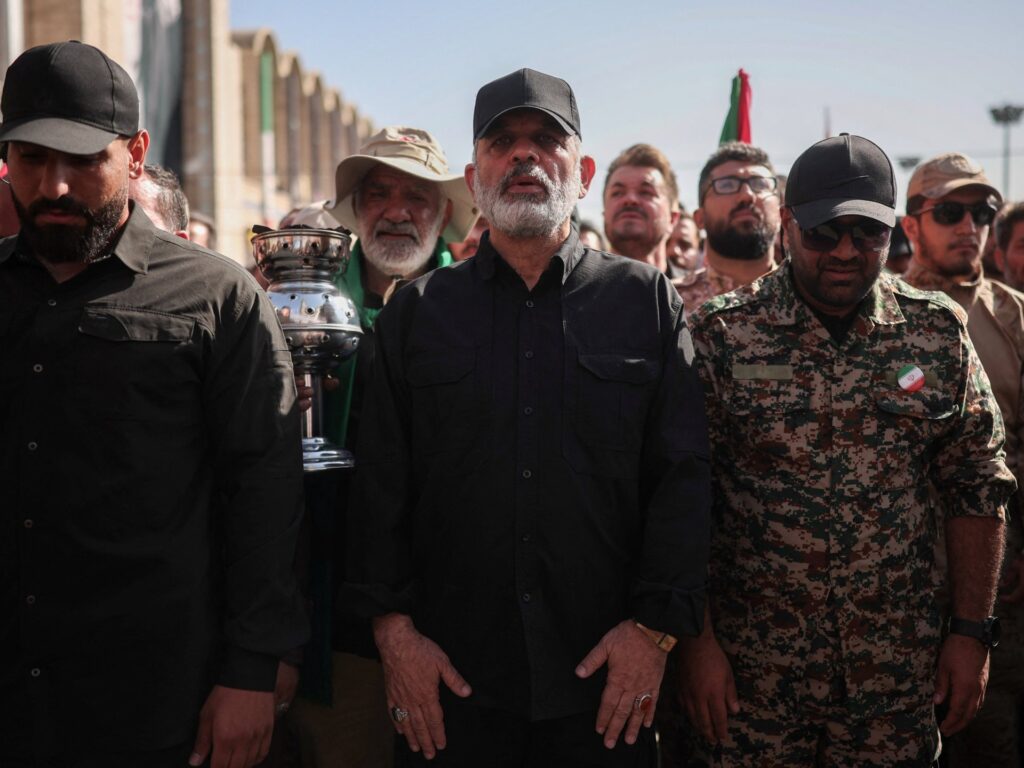
In a significant development highlighting the escalating tensions in the Middle East, the chief of Iran’s Islamic Revolutionary Guard Corps (IRGC) has publicly asserted that sanctions imposed on Iran will not deter its missile development program. This statement was made amidst rising concerns over regional security and underscores Iran’s commitment to advancing its military capabilities despite international pressure.
Simultaneously, Israel has responded to these developments by instructing its military forces to heighten their preparedness for a potential attack on Iran. This directive reflects Israel’s increasing vigilance and acknowledgment of the perceived threat posed by Iran’s missile advancements.
The IRGC chief’s declaration comes at a time when Iran faces numerous international sanctions aimed at curtailing its missile program, which many global powers view as a destabilizing factor in the region. Despite these restrictions, Iran continues to emphasize its right to develop missile technology as a key component of its national defense strategy.
Israel’s precautionary measures include boosting military readiness and potentially recalibrating strategic plans to address any emergent threats from Iran. The Israeli government has not specified the nature or timing of any possible military actions but has conveyed a clear message of vigilance and preparedness.
Experts suggest that this escalation could further complicate an already volatile geopolitical landscape in the Middle East, with the potential for increased confrontation between Iran and Israel. The international community remains watchful, with calls for diplomacy to prevent any outbreak of conflict.
The ongoing dialogue and actions surrounding Iran’s missile program and Israel’s military stance exemplify the intricate balance of power and the persistent security dilemmas in the region. As both nations fortify their positions, the global ramifications of this standoff remain significant.
For stakeholders and observers worldwide, the developing situation underscores the importance of continued engagement and strategic communication to manage tensions and seek peaceful resolutions. The coming weeks and months will be critical in determining the trajectory of this conflict and its impact on regional and international stability.