One week after the US midterm elections, several key races remain undecided, leaving the political landscape in flux as both major parties await final outcomes that could determine control of Congress. Democrats are particularly hopeful that the unresolved contests will lead to an expansion of their majorities in both the House of Representatives and the Senate.
The midterms, which are typically a referendum on the sitting president’s administration, saw an unusually close battle for several pivotal seats. While Republicans have maintained a strong presence, the Democrats are eyeing several key battleground districts and states where the vote counts are still too close to call.
In the House, Democrats have already secured a slim majority, but several races remain pending as mail-in ballots and provisional votes continue to be tallied. These undecided races are concentrated in swing districts where margins are razor-thin, and any shift could enhance Democratic control, allowing them greater legislative leverage.
On the Senate side, a few key states are still finalizing results. These states have featured intense campaigns and significant national attention due to their potential to tip the balance of power. Democrats hope to flip enough seats to secure a filibuster-proof majority, which would be pivotal for passing sweeping legislation.
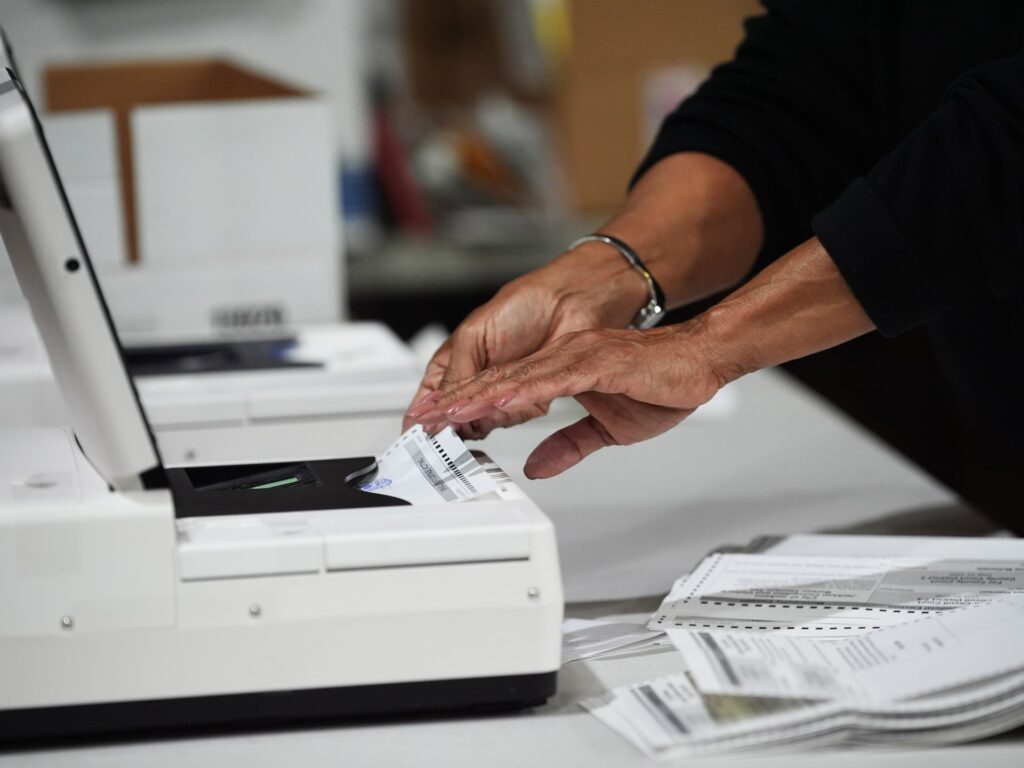
The prolonged counting process is attributed to several factors, including the high volume of mail-in voting, state-by-state differences in vote counting procedures, and ongoing legal challenges. Election officials have emphasized the importance of ensuring every legal vote is counted accurately, which has extended the timeline for final results.
This uncertainty underscores the deeply divided nature of the American electorate and sets the stage for continued political contestation. Both parties are mobilizing resources to support their candidates in any recounts or legal battles that may arise from these tight races.
In summary, the unresolved races one week after the US midterms are critical not only for the immediate composition of Congress but for the broader trajectory of American governance. Democrats are cautiously optimistic that these outcomes will enable them to broaden their influence and advance their legislative agendas in the coming session.