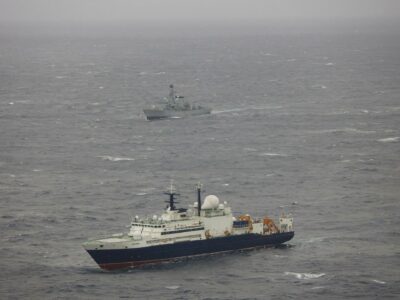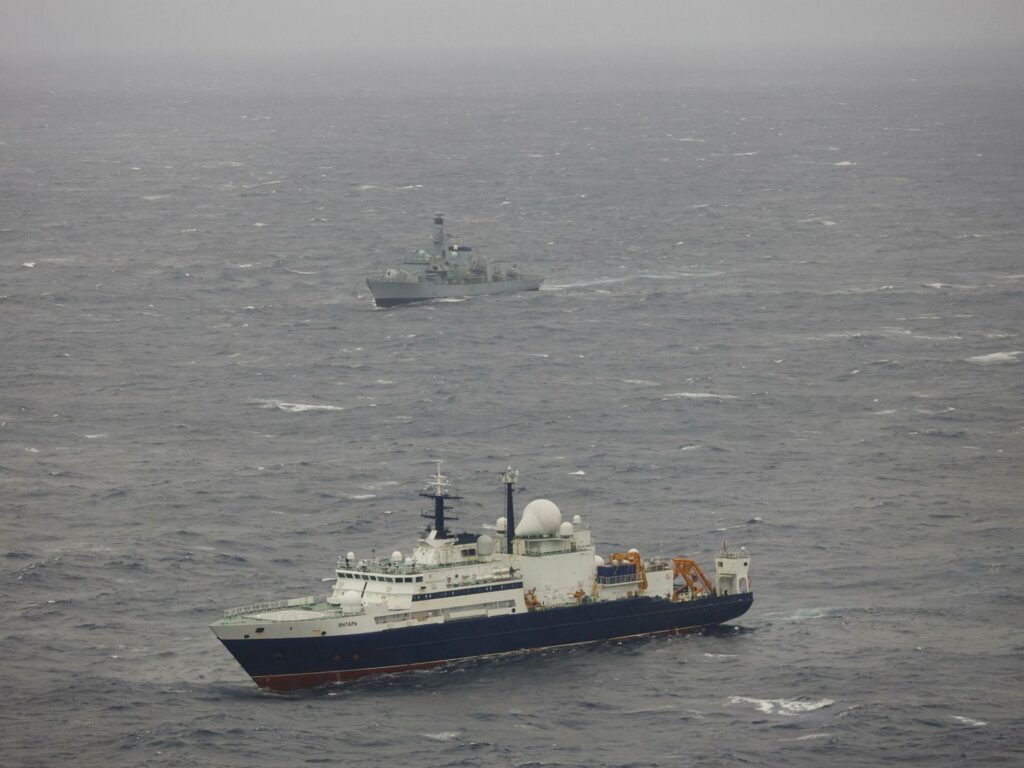
Ireland, a hub for numerous US technology multinationals, has expressed deep concerns about the security of undersea communication cables, attributing potential threats to what it describes as Russia’s so-called shadow fleet. The undersea cables, vital for international communications and data transit, are seen as vulnerable targets in the geopolitical landscape, especially amid increasing tensions involving Russian activities.
The cables in question form the backbone of global internet and telecommunications infrastructure, transmitting vast volumes of digital data across continents. Given Ireland’s key role as a gateway for data flows between Europe and North America, any disruption or damage to these cables could have severe consequences for global connectivity and economic activity.
Irish officials have labeled these malevolent forces as “malign actors” and have raised alarms over the possibility of sabotage by covert Russian naval operations disguised as the shadow fleet. This fleet reportedly operates under the cover of secrecy, capable of conducting espionage and potentially attacking critical infrastructure.
Experts warn that undersea cables are surprisingly susceptible to damage, vulnerable to natural wear and tear, accidental trawling by fishing vessels, and increasingly, deliberate sabotage. The strategic targeting of these cables by hostile entities could be a game-changer in hybrid warfare, aiming to disrupt communication channels without engaging in overt military conflict.
Ireland’s geography, coupled with its hosting of many multinational technology companies, makes it a particularly critical node in this network. Many data centers and internet gateways in Ireland depend heavily on undersea cables to maintain seamless operations and secure data transmissions.
The concern about Russia’s shadow fleet comes amid broader apprehensions about the Kremlin’s expanding influence in international waters, using unconventional methods to exert pressure on Western nations. These tactics include deploying specialized vessels that can tamper with or surveil undersea infrastructure, all while remaining below the radar of conventional naval forces.
Policymakers and security experts in Ireland are calling for enhanced surveillance and collaborative international efforts to safeguard this infrastructure. They emphasize the need for multinational frameworks to monitor undersea activities and develop rapid response mechanisms against any sabotage attempts.
The issue highlights the increasing complexity of modern security challenges where digital infrastructure intersects with geopolitical tensions. As undersea cables remain critical to global communications, their protection has become a priority for Ireland and its allies.
In response to these threats, Ireland is also pushing for greater transparency from shipping companies and underwater equipment operators to detect suspicious activities early. Meanwhile, technological advancements such as AI-driven surveillance and autonomous underwater drones are being explored to provide round-the-clock monitoring and rapid incident response.
The potential risks posed by malign actors to undersea cables underscore the fragile nature of critical infrastructure in a digital era dominated by cyber and hybrid warfare. Ireland’s proactive stance signals a growing awareness among nations reliant on such infrastructure that protecting the digital lifelines is crucial for national security and economic stability.
As the global community grapples with these emerging threats, international cooperation, intelligence sharing, and innovation in security technologies will be key to preserving the integrity and resilience of undersea cable networks that sustain modern life and commerce.