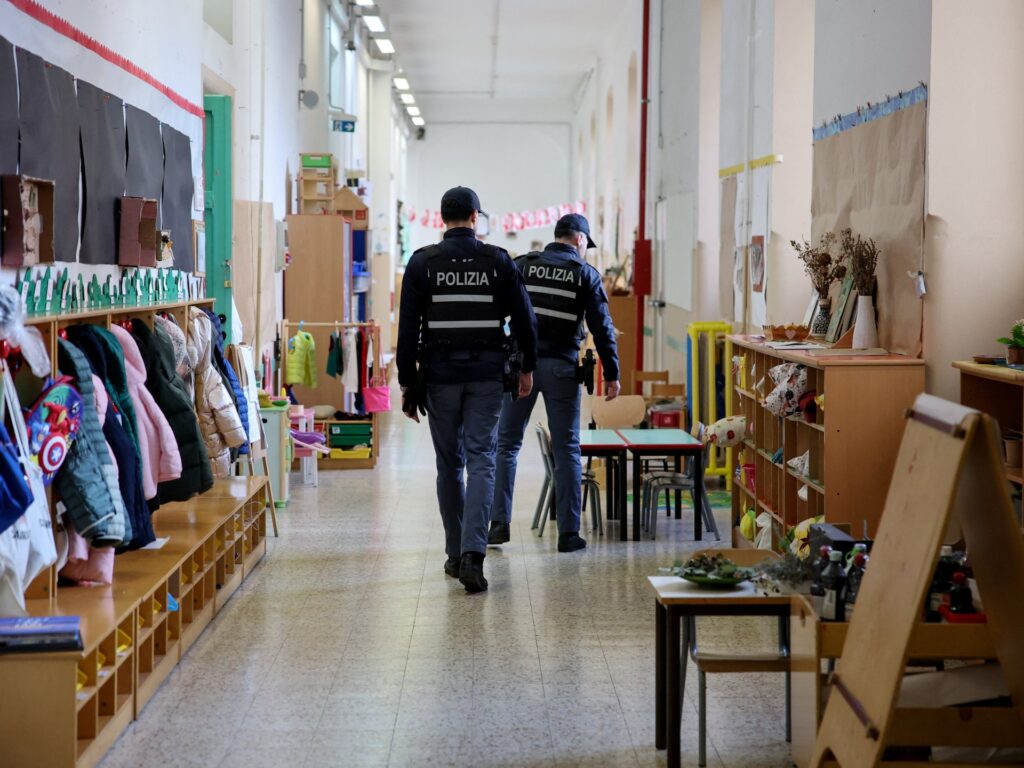
In a wave of alarming incidents, schools across Italy were evacuated after receiving email bomb alerts, triggering swift reactions from officials and the public alike. The alerts, sent via email, claimed the presence of explosives, prompting immediate safety measures including mass evacuations to ensure the security of students and staff. Italian Prime Minister Giorgia Meloni has since reassured the public, stating that there is no actual danger associated with these threats. The government’s prompt response aimed to calm fears and discourage misinformation.
This situation did not only affect Italy; similar ‘bogus’ alerts were also reported in the United Kingdom and Northern Ireland. Local authorities in these regions confirmed that investigations were underway and classified the alerts as false alarms designed to cause disruption and panic. The international dimension of these incidents suggests a coordinated attempt to spread fear across multiple countries.
Emergency services in Italy acted swiftly to conduct thorough checks at affected schools and ensure that all safety protocols were followed. The evacuations, while disruptive, were precautionary and part of comprehensive crisis management strategies to protect students. Authorities advised parents and guardians to remain calm and stay tuned for official updates.
The cyber-security aspects of these fake bomb threats have raised concerns about vulnerabilities in communication systems, prompting calls for enhanced safeguards against such deceptive tactics. Experts emphasize the importance of verifying alerts before dissemination to prevent unnecessary panic.
Prime Minister Meloni’s reassurance underlined the government’s commitment to maintaining public safety and combating cyber threats. She encouraged vigilance but also calm in responding to such incidents. The collaboration between Italian authorities and their UK and Northern Ireland counterparts showed a united front in addressing the phenomenon.
School administrations are reviewing security measures to better detect and respond to threats, ensuring minimal disruption to education. Meanwhile, law enforcement agencies continue their efforts to trace the source of the bogus emails, aiming to hold perpetrators accountable.
These events highlight the growing challenge posed by digital threats in an increasingly interconnected world, underlining the need for robust protocols and international cooperation to safeguard public spaces. The incident serves as a reminder of the importance of critical thinking and waiting for official communications during emergencies.
Overall, while the bomb alerts caused understandable concern, the coordinated response and reassurances from government leaders have helped to mitigate fear and maintain order. The safety of students and citizens remains the top priority as authorities continue their investigations into these alarming yet unfounded warnings.