As tensions escalate between the United States and Iran, divisions within former President Donald Trump’s team have come to light regarding the best approach to handle the situation. The debate fundamentally centers on whether to pursue military action or diplomatic engagement to curb Iran’s regional influence and nuclear ambitions.
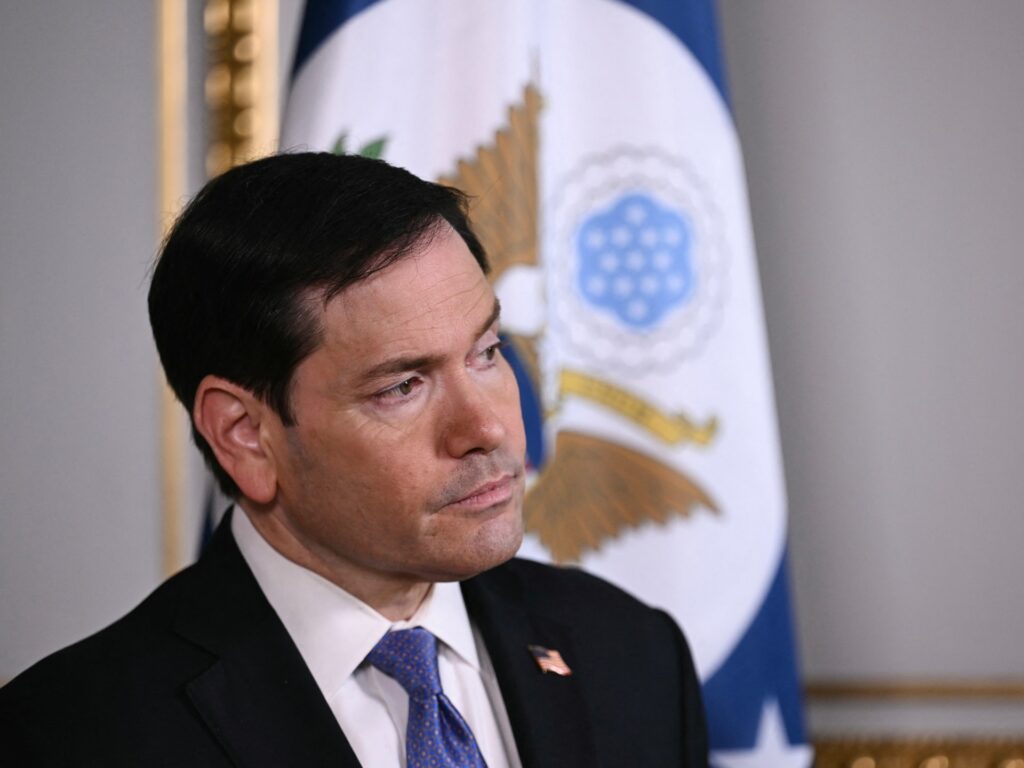
Senator Marco Rubio has publicly expressed his support for a strict blockade against Iran. Rubio advocates for a hardline stance, believing that economic isolation and pressure can effectively weaken the Iranian regime without resorting to direct conflict. His endorsement of a naval blockade signals a readiness to escalate economic sanctions to choke off Iran’s oil exports, which are a major source of revenue for Tehran.
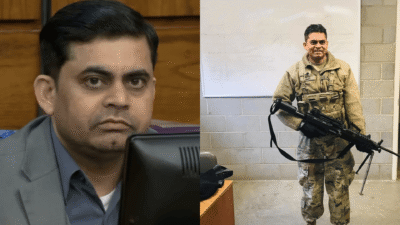
Conversely, Michael Vance, a key figure in Trump’s circle, advocates for a diplomatic resolution. Vance emphasizes the importance of negotiating a deal with Iran to prevent further deterioration of relations and avoid the potential devastation of military conflict. He argues that diplomacy, combined with targeted sanctions, offers a more sustainable and less risky path forward.
The apparent split within Trump’s team reflects a broader debate within the US government and among its allies about how to approach Iran. The military option, while decisive, risks dragging the region into war and causing unpredictable consequences. On the other hand, diplomacy is fraught with challenges, including skepticism about Iran’s willingness to comply and the difficulty of reaching a comprehensive agreement.
At present, the US appears to be settling on a middle ground approach: a drawn-out campaign of economic pressure complemented by a naval blockade. This strategy aims to maintain consistent pressure on Iran to curb its nuclear program and regional activities without escalating to full-scale military conflict.
This approach also reflects lessons from past engagements with Iran, including the 2015 nuclear deal which, despite its flaws, demonstrated that negotiations could yield agreements to curb Iran’s nuclear capabilities. Advocates of the current strategy believe that economic pressure and diplomatic engagement remain the most viable tools at the US’s disposal.
Critics warn that prolonged economic pressure and blockades could entrench hostility, foster anti-American sentiment, and lead to unintended consequences such as regional instability or Iran’s increased reliance on alternative alliances.
Moreover, the internal disagreement within Trump’s team underscores the complexities the US faces in balancing its hardline policies with pragmatic diplomacy. The ongoing debate suggests that any future policy towards Iran will likely involve a blend of economic sanctions, diplomatic efforts, and a calibrated military posture.
Ultimately, the split in Trump’s team is emblematic of the broader challenges confronting the US in dealing with Iran — a challenge that demands carefully calibrated strategies to avoid conflict while protecting American interests and promoting regional stability.