The conflict between Russia and Ukraine continues to escalate as both nations exchange strikes, with significant military actions reported across various regions. The latest developments come amid heightened tensions in the Baltic states, which have issued alerts concerning increased drone activity.
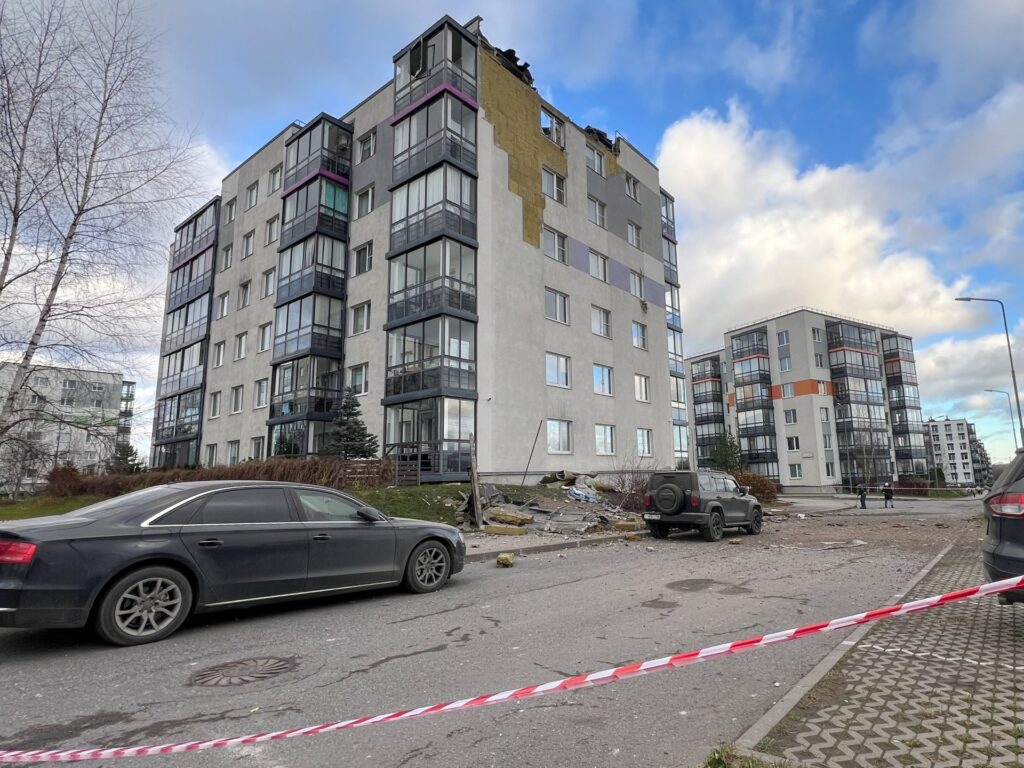
Recent attacks have been reported not only in Ukraine but also in Russia’s northwest territories, marking a notable escalation in the conflict’s geographical scope. This expansion of hostilities underscores the fragile and volatile situation in Eastern Europe, with both sides sustaining damages and casualties.
Meanwhile, diplomatic efforts aimed at de-escalating the situation are ongoing. US-mediated talks are currently taking place in Abu Dhabi, involving representatives from Russia and Ukraine. These discussions reflect a critical attempt by international actors to find a pathway toward peace and stability in the region, even as violent exchanges persist on the ground.
The Baltic nations’ issuance of drone alerts highlights their growing concern over the potential spillover effects of the Russia-Ukraine conflict. Given their geographic proximity and strategic importance, countries like Estonia, Latvia, and Lithuania remain vigilant against any threats to their airspace and sovereignty. The drone detections have raised alarms about possible reconnaissance or offensive operations that could destabilize the security of these states.
The exchange of strikes between Russia and Ukraine has been characterized by various tactics and weapons, including missile launches, artillery shelling, and air raids targeting both military installations and civilian infrastructure. The northwest regions of Russia, which previously experienced relative calm, have now become active fronts, indicating a possible shift in the conflict’s dynamics.
As the fighting intensifies, humanitarian concerns are increasing. Civilians in affected areas face displacement, disruptions to essential services, and threats to their safety. International aid organizations are monitoring the situation closely, advocating for humanitarian corridors and ceasefires to allow aid delivery and protect vulnerable populations.
The ongoing diplomatic talks in Abu Dhabi represent a crucial moment for potential conflict resolution. These negotiations, facilitated by the United States, aim to address key issues such as ceasefire agreements, prisoner exchanges, and frameworks for future peace discussions. However, the persistence of hostilities on the battlefield complicates the negotiation process, with skepticism about the durability of any accords reached.
The situation remains fluid, with the potential for rapid changes in military and diplomatic developments. Observers around the world are closely watching the region, concerned about the broader implications of the conflict for European and global security.
In summary, the Russia-Ukraine conflict is marked by continued military engagements and expanding regional security concerns, particularly in the Baltic area due to drone activities. Efforts to mediate peace continue in Abu Dhabi, but the path to a lasting resolution remains uncertain amid ongoing violence and strategic complexities.