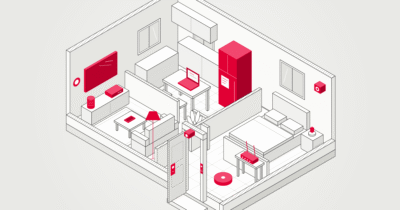
In an era marked by rapid digital transformation, the boundaries of cybersecurity are being constantly tested. Recently, the hacking of a supermarket fridge has illuminated significant vulnerabilities in smart technology that permeate everyday life. This incident is not an isolated anomaly but a portent of a broader cybersecurity challenge as more everyday objects become connected.
The supermarket fridge hack serves as a stark reminder that virtually all devices connected to the internet are potential targets. Smart systems, designed to enhance convenience and efficiency, often come with insufficient security measures, leaving them exposed to malicious exploits. As hackers demonstrate the ability to commandeer such devices, it raises urgent questions about the security of other smart systems that we rely on.
Beyond supermarket fridges, other seemingly innocuous devices such as smart thermostats, security cameras, and home assistants are susceptible to unauthorized access. In commercial environments, vulnerabilities extend to smart lighting, HVAC systems, and even industrial control systems. Each entry point represents a potential foothold for cybercriminals to infiltrate networks, steal data, disrupt operations, or cause physical damage.
The implications of such vulnerabilities are far-reaching. At the consumer level, a compromised smart fridge could lead to food spoilage and privacy breaches via connected sensors and cameras. On a larger scale, hacking into critical infrastructure like power grids or water treatment plants could have catastrophic consequences for public safety and national security.
Experts emphasize the importance of robust cybersecurity practices to mitigate these risks. Manufacturers must prioritize security in the design phase, implementing strong authentication, regular software updates, and encrypted communications. Consumers, meanwhile, should adopt best practices such as changing default passwords, updating device firmware promptly, and segmenting their home networks.
Moreover, regulatory frameworks need to evolve in tandem with technology to set minimum security standards and enforce compliance. Collaborative efforts between government bodies, industry stakeholders, and cybersecurity professionals are essential to foster resilience against emerging threats.
In conclusion, the hacking of a supermarket fridge is a wake-up call highlighting the vulnerability of our increasingly interconnected world. It underscores the critical need for comprehensive cybersecurity measures across all smart devices to protect individuals, businesses, and society at large from the escalating risk of cyberattacks.