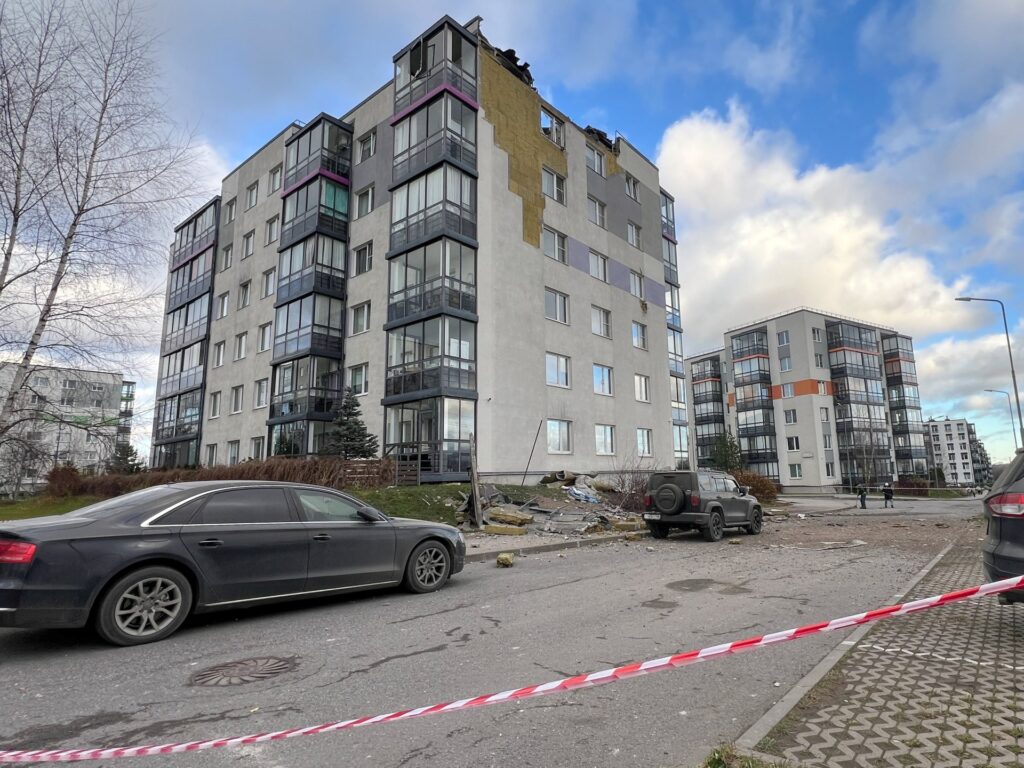
In a significant development amid the ongoing conflict between Russia and Ukraine, Russian authorities have reported the interception of 146 drones in the Leningrad region. This large-scale drone interception highlights the escalating tensions and the increasing use of unmanned aerial vehicles in the conflict zones.
The Leningrad region, located in northwest Russia, has witnessed an unprecedented number of drone activities that Russian security forces have actively countered. According to official statements, the drones were detected and neutralized before they could cause any damage, emphasizing Russia’s efforts to secure its borders and maintain regional stability.
In addition to the drone interceptions, attacks have also been reported in the Russian-occupied Donbas region of eastern Ukraine. This area has been a focal point of the conflict since 2014, with frequent military engagements between Russian-backed forces and Ukrainian troops.
These developments come at a critical time as US-mediated peace talks continue in Abu Dhabi, aiming to find a resolution to the ongoing conflict. The talks involve various stakeholders seeking to negotiate ceasefires, humanitarian access, and political solutions to the protracted war.
The use of drones in the conflict represents a shift in military tactics, allowing for reconnaissance, targeted attacks, and psychological warfare without risking personnel. The high number of intercepted drones indicates both the scale of drone deployment by opposing forces and the challenges faced in ensuring airspace security.
Experts suggest that the intercepted drones might be part of coordinated efforts by Ukrainian forces or allied groups to disrupt Russian military infrastructure and operations. Conversely, the Russian response by neutralizing these drones showcases their commitment to defending strategic locations.
Meanwhile, the situation in the Donbas region remains volatile with continued shelling, ground skirmishes, and civilian casualties reported. The humanitarian impact is profound, with displacement and destruction affecting thousands of residents.
The ongoing US-mediated talks in Abu Dhabi reflect the broader international concern over the conflict’s escalation and its implications for regional stability and global security. Diplomats and negotiators emphasize the urgency of reaching agreements that can halt hostilities and pave the way for lasting peace.
Despite these diplomatic efforts, incidents like the drone interceptions and attacks in contested areas underscore the complexities and deep-rooted issues fueling the conflict. Both sides remain on high alert, preparing for potential escalations even as dialogue persists.
The international community continues to monitor the situation closely, urging restraint, adherence to ceasefire agreements, and the protection of civilian lives. Humanitarian organizations call for increased aid and access to conflict-affected regions to alleviate suffering.
In summary, the recent report of 146 drones intercepted in Russia’s Leningrad region amid attacks in the Donbas underscores the intensity of the ongoing conflict. As diplomatic efforts unfold in Abu Dhabi, the path to peace remains fraught with challenges requiring sustained commitment from all parties involved.