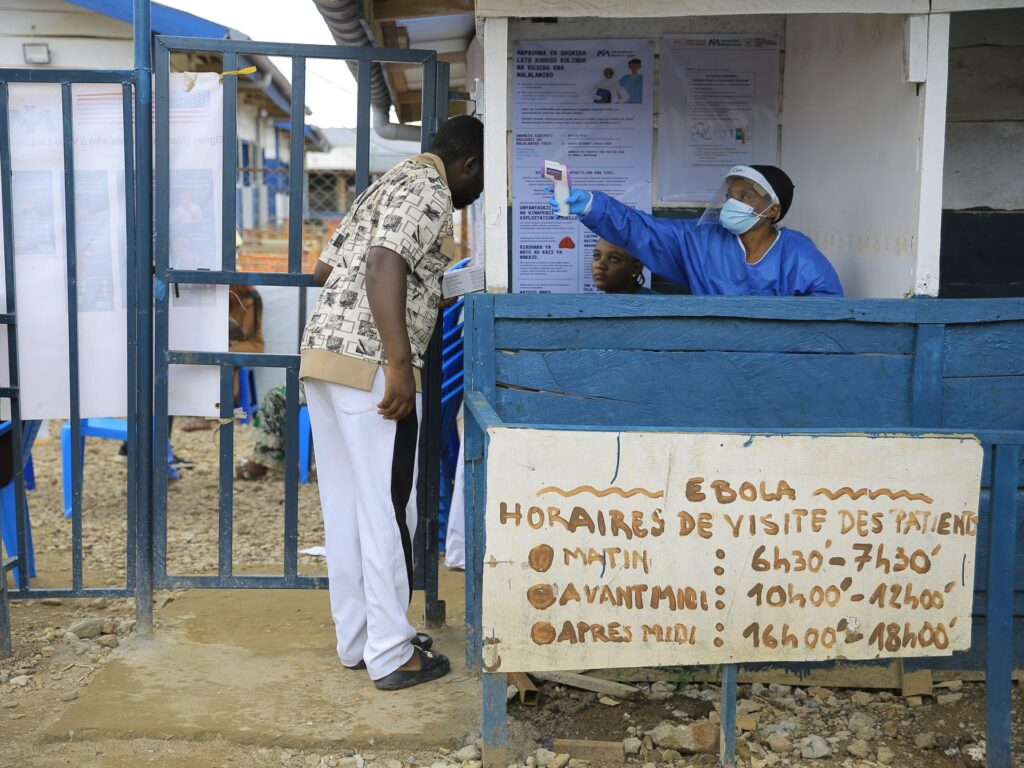
The Democratic Republic of Congo (DRC) is grappling with one of the most severe Ebola outbreaks in its history, as the total number of cases has now surpassed 11,000. This alarming development comes with a staggering death toll of 5,387, highlighting the deadly and persistent nature of the disease within the country.
Authorities and health organizations tasked with combating the crisis have faced significant challenges, delaying the detection and response efforts needed to contain the virus effectively. The outbreak, first identified months ago, has escalated due to several factors, making containment a complex and ongoing struggle.
One of the critical issues hindering the emergency response is the delayed detection of initial cases, which allowed the virus to spread more widely before interventions could be deployed. Early symptoms of Ebola are often mistaken for other common illnesses, leading to delays in diagnosis and isolation of infected individuals.
Moreover, the ongoing conflict within the DRC has severely impacted the ability of healthcare workers to reach affected areas. Violence in regions hit hardest by Ebola has forced the suspension of some response activities and has created an environment of fear that inhibits community cooperation with health directives.
The outbreak is unprecedented in scale for the DRC, surpassing previous records and stretching the capacities of healthcare facilities and personnel. Medical workers continue to employ a combination of vaccination campaigns, treatment centers, and public awareness efforts to try to stop the spread.
International partners, including the World Health Organization (WHO) and various non-governmental organizations, have been actively involved in supporting emergency response initiatives. These efforts include deploying rapid response teams, ensuring vaccine availability, and providing protective equipment for workers on the front lines.
Despite these efforts, the Ebola virus remains a formidable health threat, as communities face mistrust and misinformation about the disease and the response efforts. Community engagement campaigns are crucial in educating the public about the risks and encouraging the adoption of safe practices to prevent transmission.
The DRC government’s struggle to contain this outbreak underscores the importance of strengthening health systems and infrastructure, improving early detection capabilities, and addressing security concerns that hinder emergency responses in conflict zones.
This devastating outbreak serves as a reminder of the persistent threat posed by infectious diseases in regions grappling with multiple crises. Continued vigilance, international support, and coordinated action remain vital to bring the Ebola epidemic under control and save lives in the Democratic Republic of Congo.