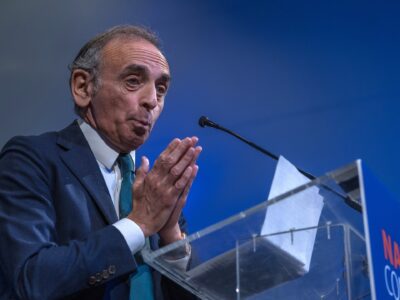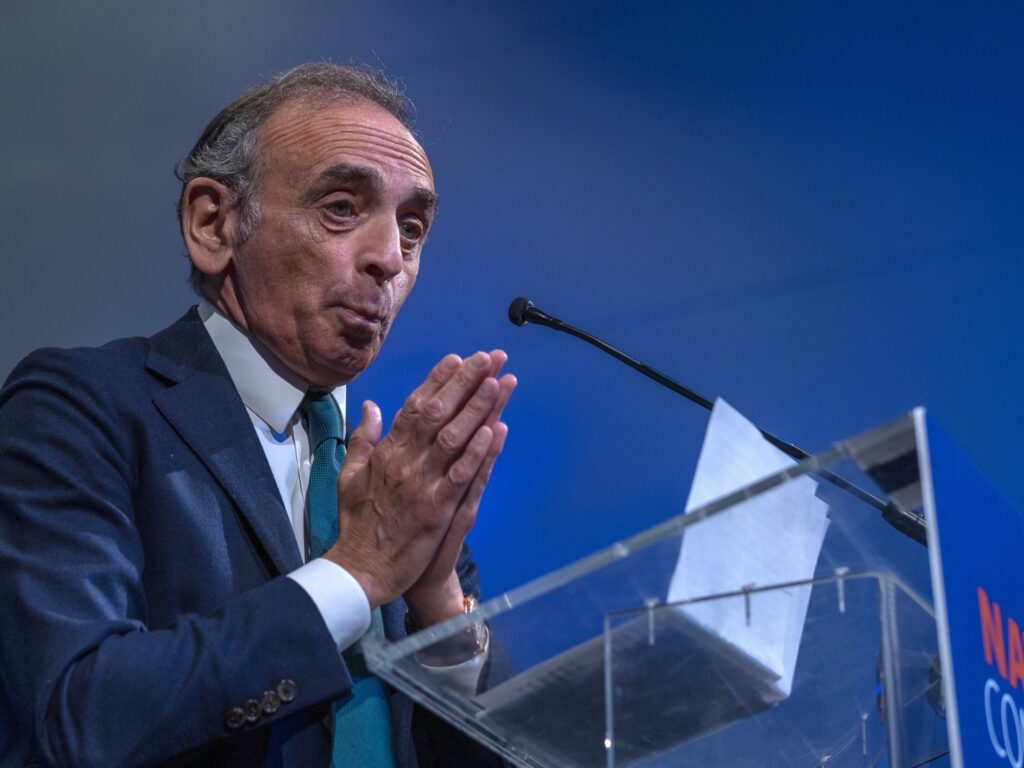
Éric Zemmour, the controversial French far-right author and political commentator, has officially announced his intention to run for the French presidency once again in the 2027 election cycle. This marks his second bid for the nation’s highest office, following his previous campaign that garnered significant attention and polarized public opinion.
Zemmour’s return to the political stage comes in the wake of heightened social tensions across France, including violent protests that occurred last month. These demonstrations highlighted underlying anxieties among parts of the French populace concerning immigration, unemployment, and national identity.
During his campaign announcement, Zemmour proposed a stringent policy aimed at addressing unemployment among immigrant communities. He advocated for the expulsion of what he described as “foreign unemployed people,” a stance that has stirred considerable controversy and debate within the country.
Critics argue that Zemmour’s rhetoric promotes division and scapegoats vulnerable populations, potentially exacerbating social fractures. Supporters claim that his hardline approach is necessary to protect French citizens’ interests and preserve the nation’s cultural identity.
Zemmour first rose to prominence as an author and media figure known for his provocative views on immigration, Islam, and French history. His 2022 presidential bid demonstrated his ability to mobilize a distinct segment of voters dissatisfied with traditional political parties.
The upcoming 2027 election is shaping up to be a highly contentious contest, with multiple candidates vying to address France’s ongoing challenges, including economic instability, social cohesion, and security concerns.
Zemmour’s campaign platform is expected to focus heavily on nationalist themes, restrictive immigration policies, and a restoration of law and order. His advocacy for deporting unemployed foreigners is likely to attract both fervent support and vehement opposition, underscoring the polarized climate in French politics.
Observers note that Zemmour’s candidacy could significantly influence the political discourse, pushing other parties to clarify their positions on immigration and national identity. It may also impact voter turnout and the strategies of mainstream candidates aiming to counter his far-right appeal.
As France prepares for the election, the debate around immigration, unemployment, and social integration remains at the forefront of public concern. Zemmour’s renewed campaign is a prominent reminder of the persistent divisions and challenges shaping the nation’s future direction.