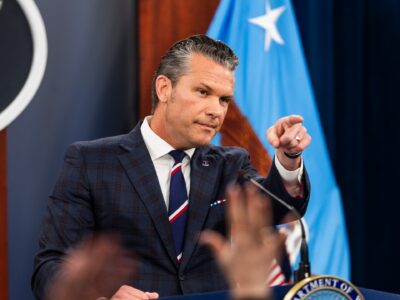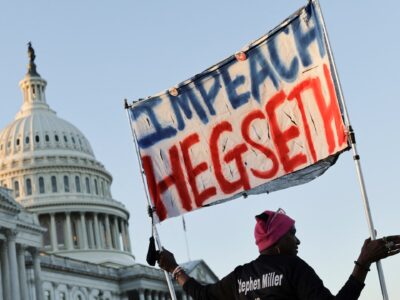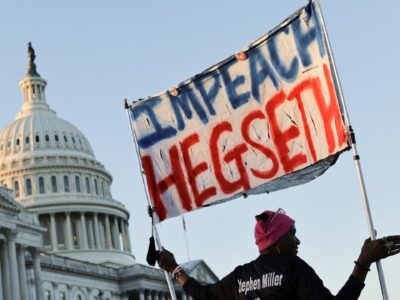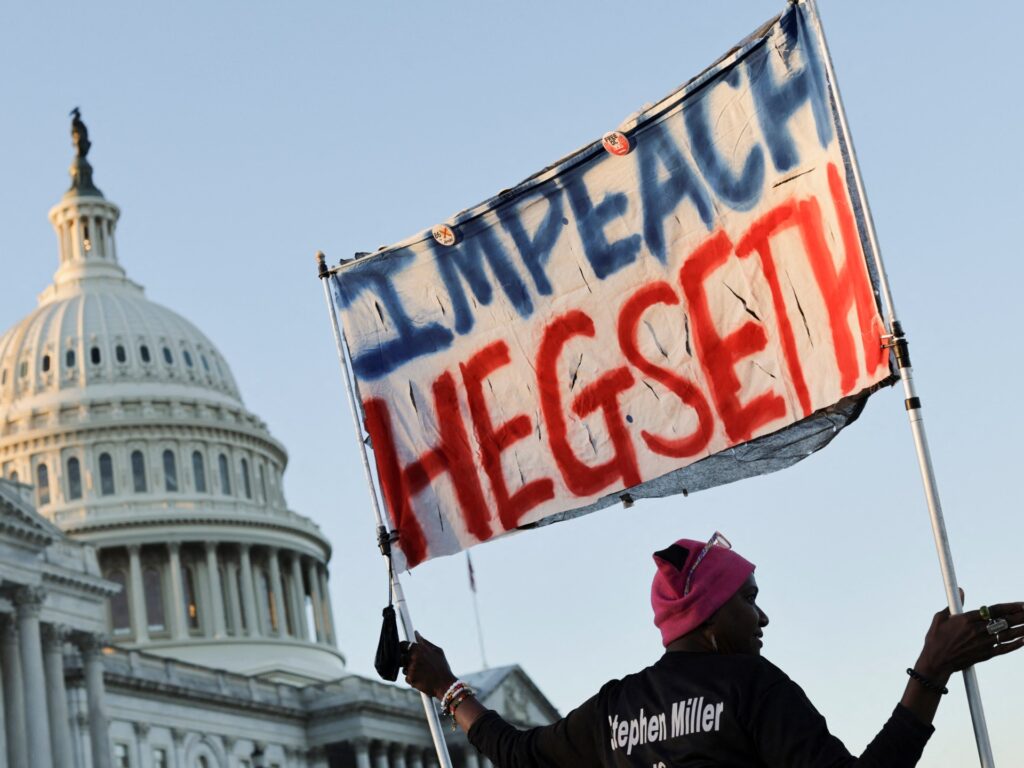
In a significant development in US political affairs, House Republicans have successfully blocked an impeachment effort against Pete Hegseth. The move comes amid accusations that Hegseth, a prominent political figure, allegedly spearheaded a war against Iran without obtaining the necessary congressional approval. The impeachment attempt was met with firm resistance within the Republican ranks, leading to its blockage. Critics of Hegseth argue that his actions bypassed the traditional legislative procedures meant to oversee military engagements and foreign policy decisions, thus raising serious concerns about executive overreach and accountability. Supporters of Hegseth, however, maintain that his decisions were in line with national security interests and argue that swift action was necessary to address emerging threats. The controversy has sparked a wider debate about the balance of power between the executive branch and Congress regarding decisions on war and military intervention. The failure of the impeachment effort may have significant implications for how future military actions are authorized and scrutinized by lawmakers. Analysts suggest that this episode highlights the challenges Congress faces in reasserting its constitutional authority over war powers in an increasingly complex global security environment. Meanwhile, the situation has intensified discussions about the need for clearer legislative frameworks to regulate the deployment of US forces abroad. The episode also underscores the partisan dynamics that often characterize impeachment proceedings, where political allegiances can determine the outcomes of such efforts. As of now, Pete Hegseth remains a contentious figure, with his critics vowing to continue holding him accountable through other legislative and political means. The broader implications of this case resonate with ongoing debates about foreign policy oversight, the role of Congress in national security decisions, and the limits of executive power in wartime. Observers note that the rejection of the impeachment motion does not necessarily end scrutiny of military conduct without congressional approval, but rather shifts the focus toward other mechanisms of oversight and political accountability. This event marks another chapter in the ongoing struggle between branches of the US government over war powers and the appropriate checks and balances necessary to maintain democratic governance and prevent unilateral executive action. As the political landscape evolves, it remains to be seen how this incident will influence future engagements by US officials and lawmakers in matters of war and peace. The debate also reflects broader concerns about transparency, democratic control of the military, and the safeguarding of constitutional norms in the face of international threats. Amid these developments, calls for reform and clearer congressional guidelines on military authorization continue to gain traction. This case involving Pete Hegseth could serve as a precedent for how similar situations are managed in the future, shaping the contours of US military and foreign policy oversight. Ultimately, the outcome highlights the complex interplay between political strategy, legal frameworks, and national security imperatives in the conduct of US government affairs.