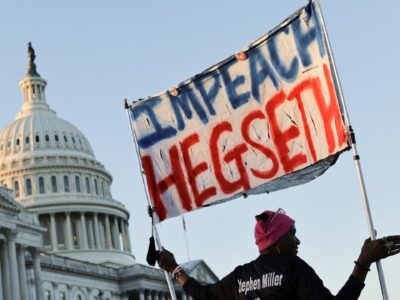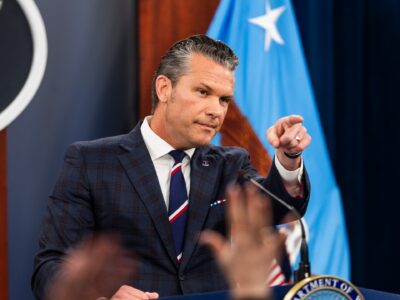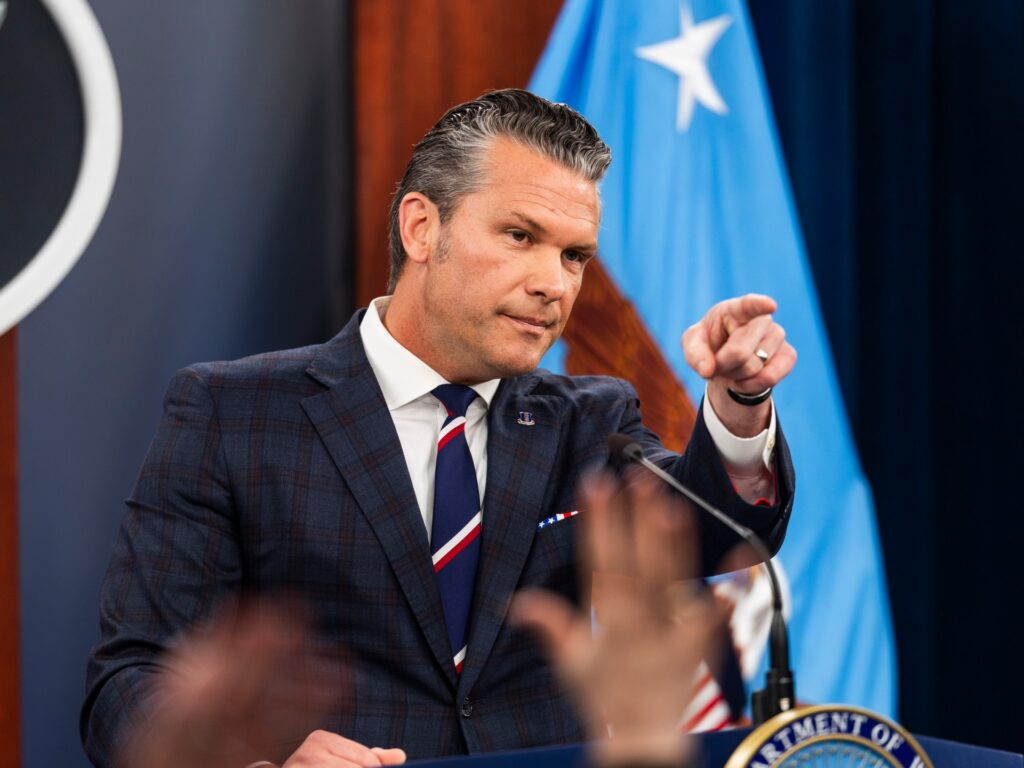
In recent developments surrounding the ongoing conflict involving Iran, a significant political event has unfolded as Pete Hegseth, a prominent political figure known for his stance on the Iran war, has survived an impeachment bid. This comes amidst a backdrop of increasing bipartisan opposition to the war, reflecting the growing unease among lawmakers about the continued escalation.
The impeachment attempt, which was spearheaded by members across the political spectrum, aimed to address accountability and question the strategies implemented in the conflict with Iran. However, despite the efforts, the bid ultimately failed, allowing Hegseth to remain in his position. This outcome has sparked diverse reactions, highlighting the deep divisions within the political landscape regarding how to handle the situation with Iran.
Concurrently, diplomatic communications remain tense and ambiguous. Iran has officially denied any ongoing talks with the United States, rejecting rumors and reports suggesting potential negotiations or backchannel discussions aimed at de-escalating tensions. This denial is significant as it hampers prospects for diplomatic resolution and fuels uncertainty about the future trajectory of US-Iran relations.
Bipartisan opposition to the war reflects a wider skepticism and concern about the human, economic, and geopolitical costs of the conflict. Lawmakers and analysts alike warn that prolonged hostilities could destabilize the region further and draw the US deeper into a protracted conflict with no clear end in sight.
Hegseth’s survival in the impeachment bid underscores the complexities and challenges of navigating US political processes during international conflicts. While some view his position as crucial for maintaining a firm stance against Iran, others argue that new leadership and strategy shifts are necessary to pursue peace and stability.
The denial from Iran about any US talks suggests that the diplomatic channels remain either closed or covert, with no official confirmation of negotiations underway. This situation leaves many observers cautious but hopeful that dialogue may eventually occur to prevent further escalation.
As the war continues to impact global politics, economic markets, and regional alliances, all eyes remain on the developments in Washington and Tehran. The international community watches closely, urging restraint and advocating for peaceful resolutions to avert further crisis.
This period marks a critical juncture for both US policymakers and Iranian leaders. The failure of the impeachment bid coupled with the absence of confirmed diplomatic talks signals a phase of heightened tensions and critical decision-making moments ahead. Stakeholders across the political and diplomatic spectrum are therefore urged to engage carefully and constructively to avoid exacerbating a conflict that has far-reaching consequences.
In summary, Hegseth’s political fate has been momentarily secured despite widespread opposition, and Iran’s categorical denial of negotiations emphasizes the fragile and volatile nature of current US-Iran relations. The road to peace remains uncertain, demanding vigilant attention and concerted efforts from all involved parties to steer towards stability and resolution.