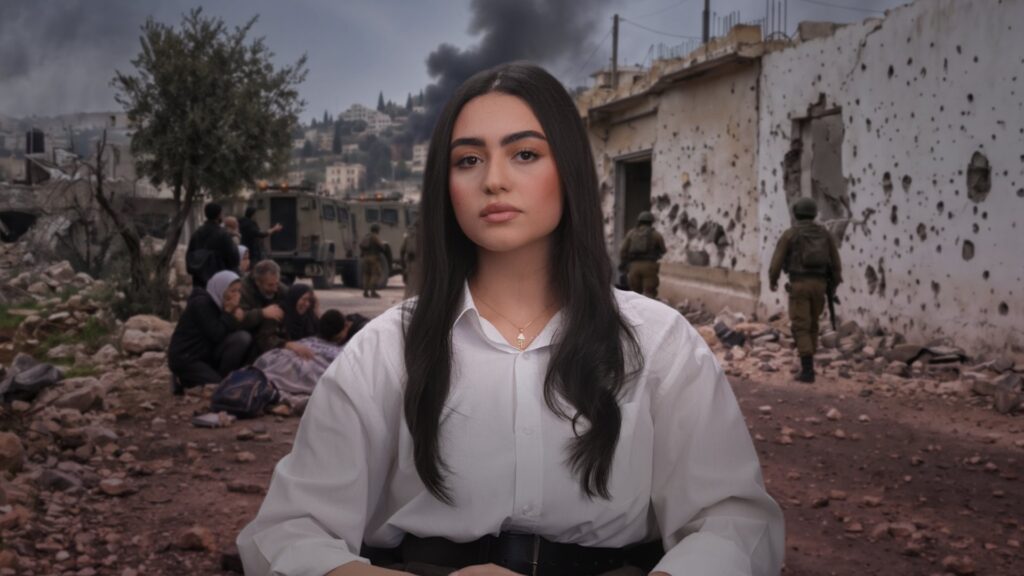
In a distressing event that underscores the ongoing tensions in the West Bank, Israeli forces killed a 14-year-old Palestinian boy during a raid in the village of Burqa. This incident has further exacerbated the already fragile atmosphere between Israelis and Palestinians in the region.
The young boy’s death is a tragic reminder of the human cost of the conflict, impacting families and communities deeply. Details about the circumstances of the raid remain critical, including the reasons behind the operation and the response from local and international communities.
Adding to the unrest, there has been a reported assault on a Palestinian woman near Hebron by settlers, an act that has been widely condemned. Such violent confrontations continue to fuel fears and hostilities on both sides, complicating efforts toward peace.
The West Bank remains a hotspot of conflict where military raids, settler violence, and civilian casualties are unfortunately frequent occurrences. Human rights organizations have called for restraint and adherence to international laws designed to protect civilians, especially minors, during conflicts.
Israeli authorities typically justify raids as necessary for security purposes, often targeting suspected militants or preventing potential attacks. However, these operations sometimes result in civilian casualties, sparking outrage and demands for accountability.
The killing of the teenager and the assault near Hebron have drawn reactions from Palestinian leaders, who denounce these acts as part of a broader pattern of aggression and occupation. They demand international intervention to halt what they describe as systematic violations.
In response, Israeli officials have stressed the importance of security measures to protect their citizens from attacks, emphasizing the challenges posed by ongoing hostility and violence. Nonetheless, these incidents strain the fragile relations further, making reconciliation more difficult.
International observers and peace advocates call for renewed dialogue and a recommitment to peace talks, highlighting that cycles of violence only lead to more suffering and mistrust. They urge all parties to focus on protecting children and civilians and to work toward long-term solutions.
The incident in Burqa and the assault near Hebron serve as stark reminders of the urgent need for sustained peace efforts in the region. The international community faces the challenge of supporting workable strategies that address security needs while upholding human rights and dignity.
As families grieve the loss of a young life and communities reel from acts of violence, the call for peace becomes ever more poignant. Both Israelis and Palestinians alike seek a future free from violence where children can grow up in safety and hope.
The ongoing conflict in the West Bank highlights the complexity of achieving peace in a region marked by deep historical grievances and political disputes. Only through mutual understanding, respect, and dialogue can such tragic incidents be prevented in the future.
In the meantime, humanitarian groups continue their work to provide support to affected families and advocate for the protection of vulnerable populations caught in the crossfire of the conflict. Their efforts are vital in mitigating the human impact of the hostilities.
The world watches closely as events unfold, hoping for a ceasefire and a peaceful resolution that honors the lives lost and ensures a safer tomorrow for all communities in the West Bank.