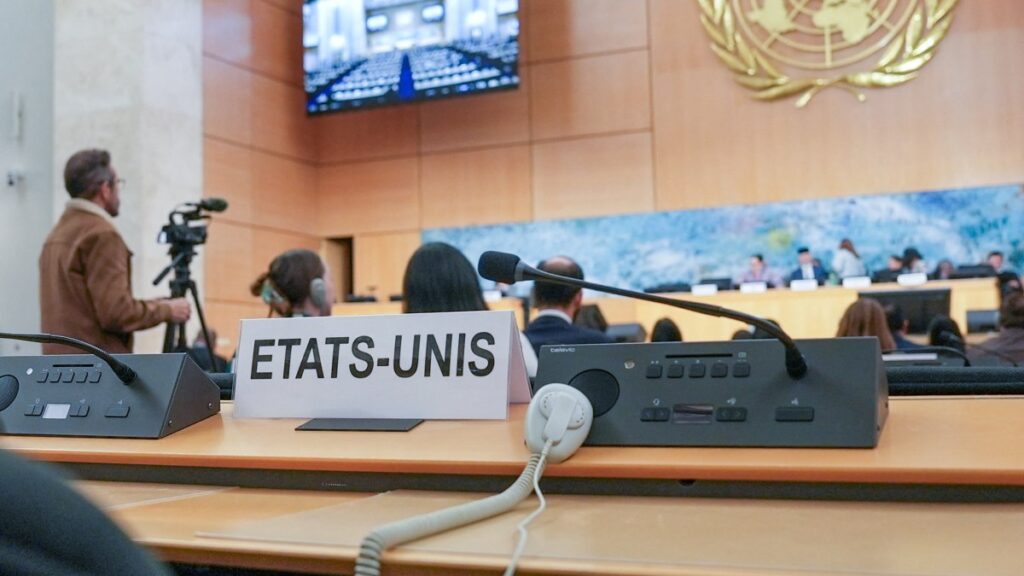
The Trump administration has once again boycotted the United Nations Human Rights Council’s review process, leading to a postponement of the examination of the United States’ human rights record until January. This boycott marks a continuation of a tense relationship between Washington and the UN body, stemming from disagreements over human rights practices and the scrutiny process.
The UN Human Rights Council, responsible for monitoring and evaluating member states’ adherence to international human rights standards, was scheduled to conduct a review of the US human rights record. However, the US government’s refusal to engage with the council resulted in the delay. Officials from Washington reportedly declined to attend the pertinent meeting, signaling their disapproval of the council’s approach.
This move by the Trump administration reflects its broader skepticism toward international institutions and mechanisms it perceives as unfavorable or intrusive. The absence of the US at this crucial session prevents a full and transparent evaluation, which the UN regards as essential for accountability and improvement of human rights practices.
Observers note that the delay could have significant implications. Without this review, ongoing concerns about various human rights issues within the US, including treatment of minorities, immigration policies, and law enforcement practices, remain unexamined in this formal international forum.
Human rights advocates have expressed disappointment, emphasizing that dialogue and scrutiny are vital tools for progress. They argue that boycotting the process does not shield the country from criticism but rather damages its reputation and leadership credentials on human rights globally.
The UN Human Rights Council, despite being controversial and criticized for its own inconsistencies, represents a key venue where countries’ commitments to global human rights norms are assessed. The US historically had participated in these reviews, although relations have often been complicated.
The decision to delay until January provides a limited window for potential re-engagement but also raises questions about the US administration’s commitment to transparency and accountability.
As the situation unfolds, international stakeholders watch closely to see whether the US will return to the council table and participate in the review process, or continue its boycott stance, further straining international human rights diplomacy and cooperation.