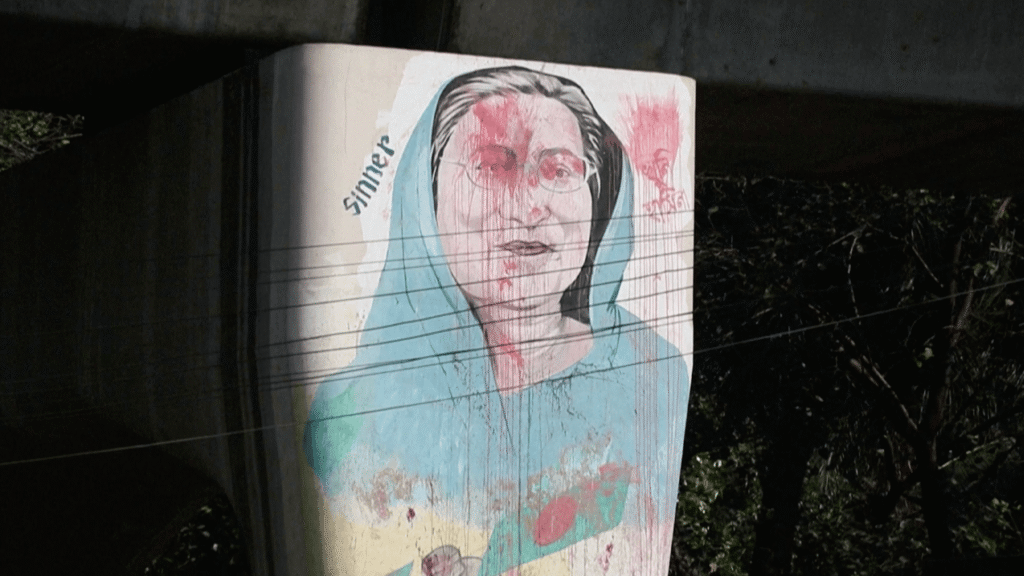
In a dramatic and alarming statement, Bangladesh’s International Crimes Tribunal has declared that the ousted Prime Minister Sheikh Hasina will face execution if she returns to the country. This unprecedented warning from the tribunal has sent shockwaves across Bangladesh and the international community, raising serious concerns about the future political landscape and human rights situation in the country.
The International Crimes Tribunal, which is responsible for prosecuting war crimes and crimes against humanity committed during Bangladesh’s 1971 Liberation War, is asserting jurisdiction over Sheikh Hasina, who has been in exile since her removal from power. This tribunal has previously sentenced several political figures and collaborators to harsh penalties, including the death sentence, for their roles in the war-time atrocities.
Sheikh Hasina, a prominent figure in Bangladesh’s political arena, served as Prime Minister multiple times, and her tenure was marked by significant development projects as well as political controversies. She was ousted recently amid allegations of corruption and political repression. Since her ouster, she has been living abroad, with reports suggesting she may attempt to return to Bangladesh to reclaim political influence or seek asylum.
According to the tribunal’s prosecutor, charges have been prepared against Hasina alleging involvement in crimes that could warrant the death penalty under Bangladeshi law. The exact details of the charges have not been disclosed publicly, but the move signals a tough stance by the government and the tribunal against individuals they accuse of crimes against the nation.
This announcement has drawn widespread reactions both domestically and internationally. Supporters of Hasina have condemned the tribunal’s statement as politically motivated and a violation of legal norms. Human rights organizations have expressed deep concern over the potential use of capital punishment for political reasons and have called for transparent judicial processes.
Analysts warn that such a severe warning could escalate political tensions in Bangladesh, potentially leading to unrest or violence among rival political factions and citizens. The stability of Bangladesh’s democracy hangs in the balance as the legal and political battles continue to unfold.
International observers are urging all parties to adhere to fair trial standards and respect human rights, emphasizing that political disputes should be resolved through peaceful means rather than threats of execution.
Sheikh Hasina’s political future now seems fraught with uncertainty, and the coming weeks will be critical in determining the direction of Bangladesh’s governance and legal system. The international community watches closely as one of South Asia’s key political dramas unfolds with profound implications for regional stability and justice.