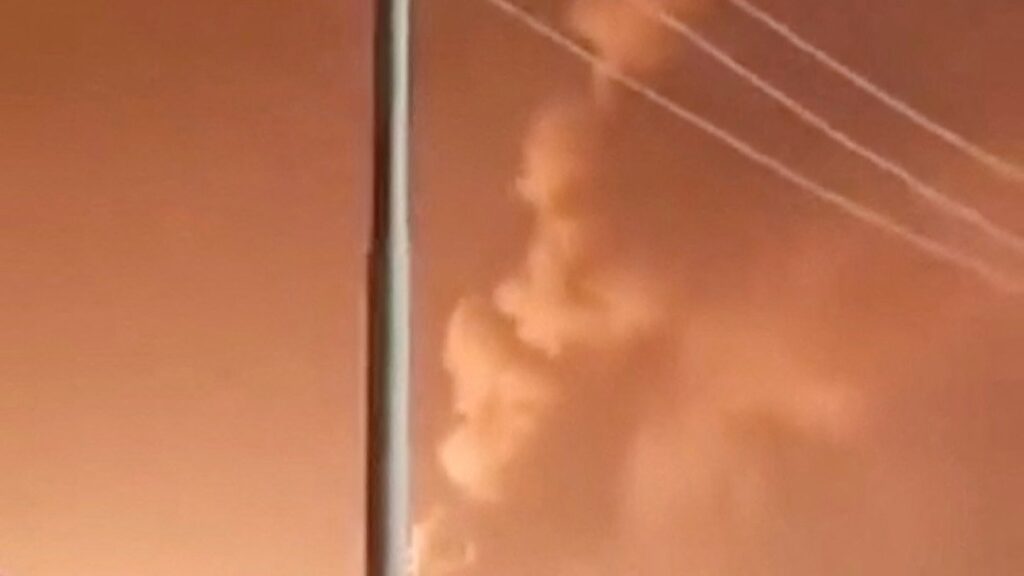
A recent drone strike on the Khor Mor gas facility in Iraq’s semi-autonomous Kurdish region has raised significant alarms over the country’s energy security. The attack disrupted the electricity supply, highlighting vulnerabilities in critical infrastructure amid ongoing regional instability.
Khor Mor, a key site for natural gas production, plays an essential role in fueling the power grid across northern Iraq, especially in the Kurdish region. The disruption caused by the drone attack resulted in a temporary loss of electricity for thousands, affecting homes, businesses, and essential services.
The strike was reportedly carried out by an unidentified armed group, renewing concerns about the presence and activities of militant organizations operating across Iraq. These groups often target strategic infrastructure to exert pressure on regional authorities or destabilize the area.
Experts warn that attacks like these underscore the fragile security environment surrounding Iraq’s energy sector. The country’s reliance on oil and gas exports for revenue makes infrastructure protection a top priority for maintaining economic stability.
The Kurdish regional government condemned the attack and vowed to strengthen security measures to prevent future incidents. Officials also called on the international community to assist in safeguarding energy installations and combating militant threats.
Iraq’s energy infrastructure has been a frequent target of insurgents and extremists since the United States-led invasion in 2003. Despite improvements, security gaps remain, particularly in areas where government control is limited or contested.
The attack at Khor Mor has highlighted the need for enhanced surveillance and defense mechanisms, including the deployment of advanced counter-drone technologies and intelligence sharing between regional and federal authorities.
In addition to security concerns, the incident has raised questions about the resilience and redundancy of Iraq’s power grid. Energy experts argue for diversifying energy sources and upgrading infrastructure to mitigate similar risks in the future.
Local residents experienced sudden blackouts and disruptions to daily life, emphasizing the human cost of such attacks beyond the economic implications.
The situation also stresses the interconnected nature of security and energy stability in the region. Maintaining continuous power supply is crucial for social cohesion, economic development, and political stability in Iraq’s Kurdish region and beyond.
International energy companies operating in Iraq have expressed unease over the attack, signaling potential reconsiderations of operational risks in the country.
As Iraq continues its recovery from years of conflict, ensuring the protection of its vital energy resources will remain a critical challenge. The Khor Mor drone attack serves as a stark reminder of the ongoing threats facing Iraq’s energy sector and the importance of coordinated efforts to safeguard the nation’s infrastructure.