South Africa has recently taken significant measures by detaining foreigners suspected of traveling to join Russian forces involved in the ongoing war in Ukraine. This move highlights the complex and far-reaching nature of the conflict, which has seen recruitment efforts extend beyond traditional geographic boundaries.
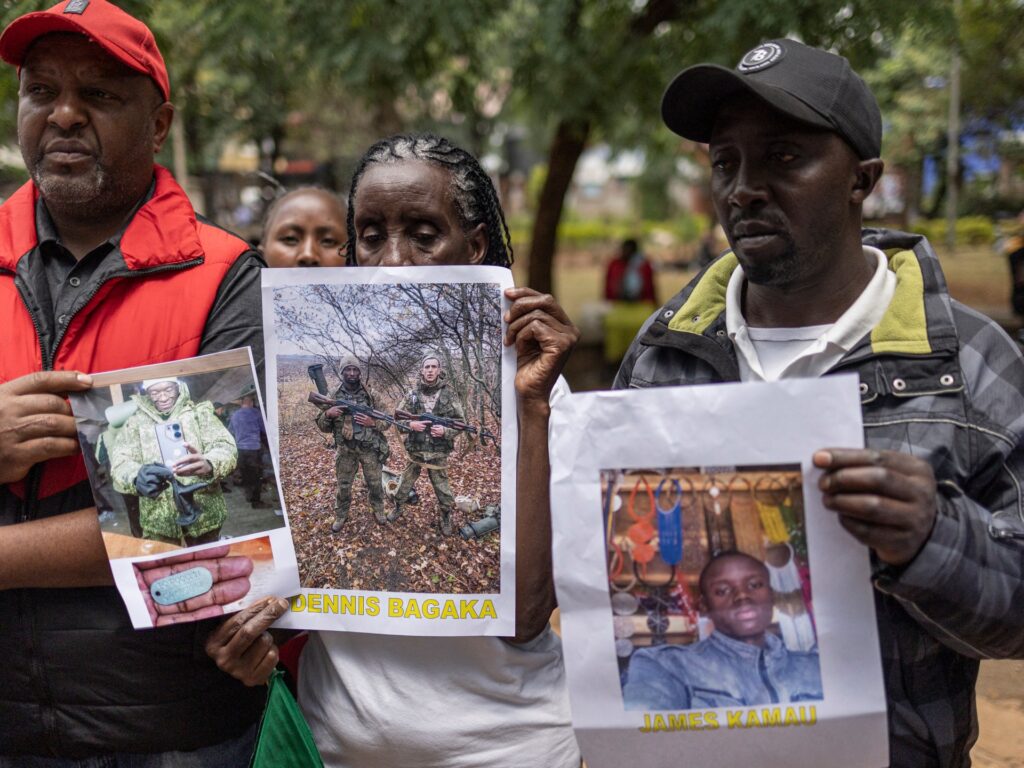
Reports indicate that individuals from various African countries, among others, have been actively recruited to fight for Russia in its war against Ukraine. These recruitment campaigns appear to target vulnerable populations and those seeking new opportunities, offering financial incentives or ideological appeals to join the Russian military effort.
The involvement of foreigners, particularly Africans, in the conflict has raised serious concerns about the implications for regional and international security. South Africa’s actions reflect a broader recognition among nations about the destabilizing effects of foreign fighters participating in conflicts far from their homelands.
Authorities in South Africa have been vigilant in monitoring travel patterns and investigating those suspected of being recruited or transported to Ukraine to support Russian military operations. The detentions are part of a preventative approach to curb the facilitation of mercenary activities and to uphold national and international laws regarding foreign combatants.
This situation underscores the globalized nature of modern conflicts, where wars are no longer confined to borders but involve complex networks of recruitment and international actors. It also sheds light on the challenges governments face in preventing the exploitation of their citizens by foreign military recruitment campaigns.
The South African government’s stance serves as a warning to other countries in the region about the potential risks of becoming entangled in distant conflicts through their nationals. It also stresses the importance of regional cooperation in monitoring and addressing these security threats.
Meanwhile, the international community continues to grapple with the broader consequences of the war in Ukraine, including humanitarian crises, geopolitical tensions, and the recruitment of foreign fighters. The South African developments add another layer to an already complex global issue.
In summary, the detention of foreigners in South Africa suspected of joining Russian forces exemplifies the expanding scope of the Ukraine conflict. It calls attention to the need for enhanced vigilance, legal frameworks, and international cooperation to address the phenomenon of foreign recruitment in war zones.