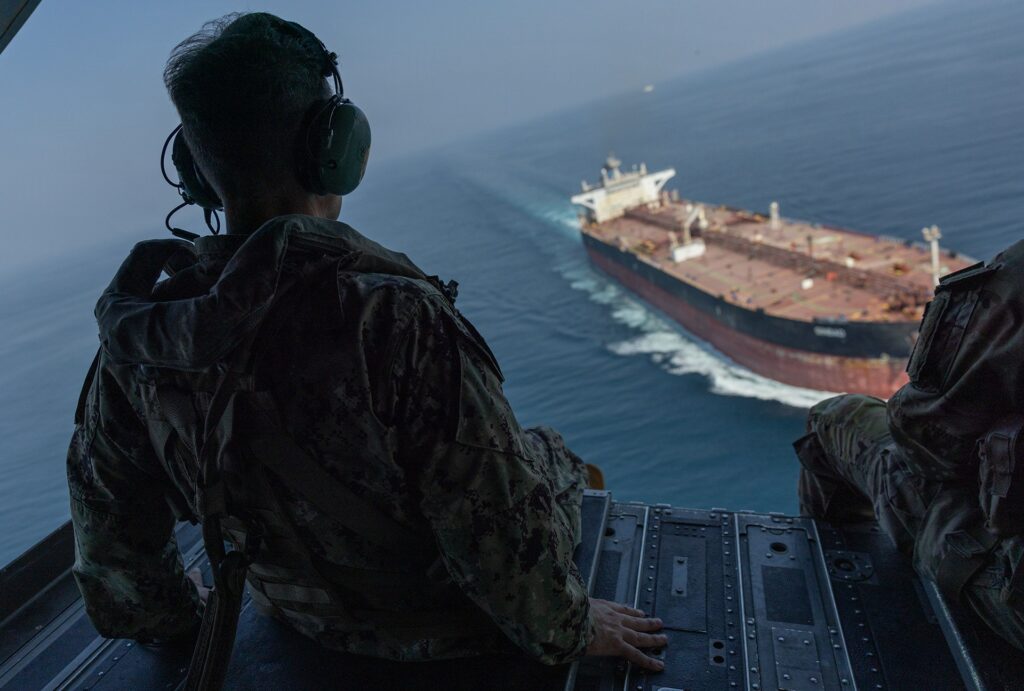
In recent statements, former President Donald Trump asserted that Iran has been effectively “sealed off” in efforts to curtail weapons smuggling and military support to regional actors. This claim coincides with the announcement of a new US task force, designed to use intelligence-driven strategies to intercept and block the transfer of weapons from Iran to groups in the Middle East.
Despite these optimistic assertions, experts and regional analysts are skeptical about the ability of a relatively small, intelligence-focused unit to fully seal Iran’s borders or completely stop the flow of weapons. Iran’s geographical and political complexities make it challenging to monitor and control all possible routes, including land borders, sea lanes, and covert networks.
Iran is known to use a wide variety of methods to supply arms to proxy groups such as Hezbollah in Lebanon, Houthi rebels in Yemen, and militias in Iraq and Syria. These logistics chains often involve smuggling through mountainous terrain and utilizing commercial shipping and air routes that complicate detection and interdiction efforts.
Critics argue that the US task force, constrained by limited manpower and resources, may struggle to achieve the ambitious goal of fully halting weapons transfers. The nature of Iran’s military logistics and its strategic use of proxy forces make it a formidable challenge that requires comprehensive regional cooperation, technological surveillance, and diplomatic pressure.
Furthermore, some analysts warn that the establishment of such a task force might inadvertently escalate tensions in the Middle East. There are concerns that increased US military and intelligence operations near Iran’s borders could provoke retaliatory actions or deepen the already fragile regional conflicts, thereby expanding the scope of war rather than containing it.
Experts emphasize the need for a balanced approach that pairs tactical intelligence operations with international diplomacy and sanctions enforcement. They highlight the importance of engaging regional allies and global partners to create a unified front against illicit arms trading networks.
Monitoring by international bodies, such as the United Nations, has historically faced challenges due to political divisions and enforcement limitations. Therefore, reliance solely on unilateral US initiatives without broader multilateral support may limit the overall effectiveness of efforts to curb Iran’s weapons flow.
The US administration remains committed to countering Iran’s influence and preventing arms proliferation, viewing these efforts as essential to regional stability and security for its allies. However, the complexity of the issue requires persistent vigilance, adaptive strategies, and comprehensive cooperation among all stakeholders.
In conclusion, while former President Trump’s announcement underscores a determined stance against Iran’s arms distribution, the reality on the ground suggests caution. The new US task force’s success hinges on overcoming significant strategic, geographical, and political hurdles. Without an integrated approach that combines intelligence operations with diplomatic and regional collaboration, fully sealing off Iran’s weapons supply routes remains an elusive goal.