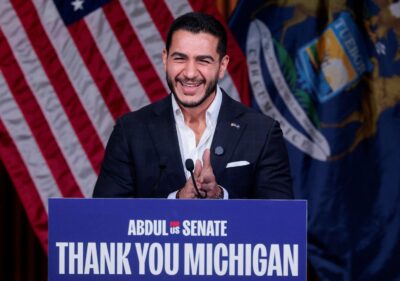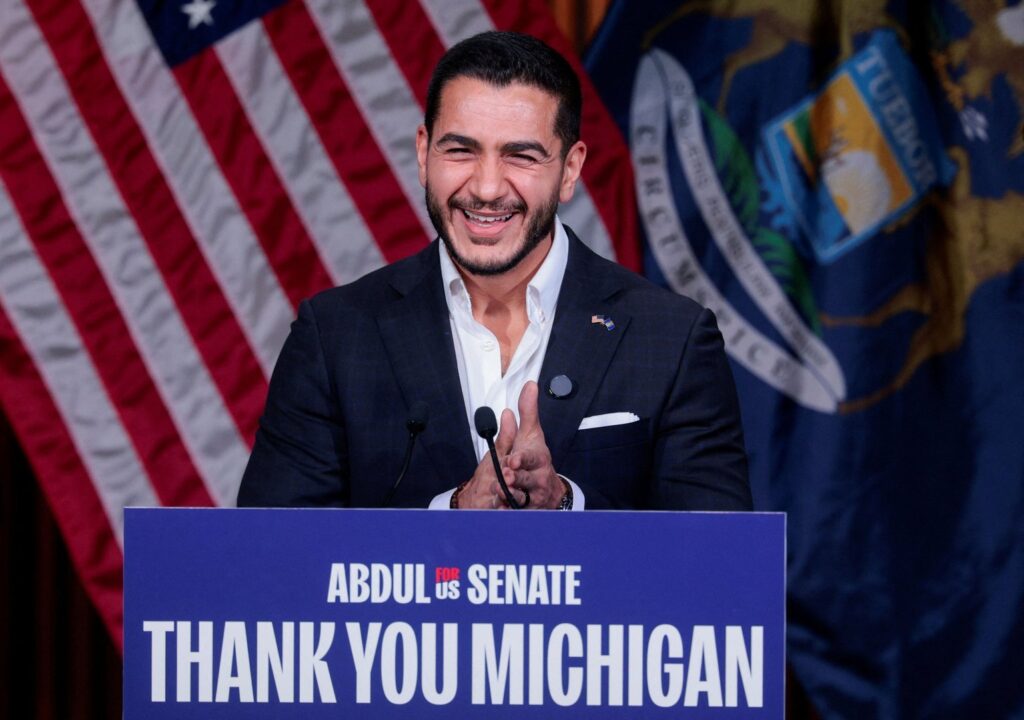
The phrase “JD, habibi” has recently surged in popularity across social media platforms, capturing widespread attention and sparking numerous discussions. This phrase went viral after Michigan Senator-elect Abdul El-Sayed used it during a speech to mock his political opponent, JD Vance.
Abdul El-Sayed, known for his charismatic and engaging communication style, employed “JD, habibi” as a clever rhetorical device combining JD Vance’s initials with the Arabic term of endearment “habibi,” which means “my dear” or “my beloved.” The phrase was intended as a sarcastic jab, highlighting the political rivalry between El-Sayed and Vance.
The use of “habibi” added a cultural twist that resonated with internet users, many of whom found the combination amusing, catchy, and ripe for meme creation. As a result, “JD, habibi” quickly spread across Twitter, TikTok, Instagram, and Facebook, generating a wave of humorous posts, videos, and remixes.
El-Sayed’s choice to incorporate such a phrase reflects a broader trend in political communication, where deploying catchy, relatable language can amplify message reach and engagement. This instance underscores how cultural expressions can cross political discourse, providing a fresh avenue for political figures to connect with diverse audiences.
Moreover, the virality of “JD, habibi” highlights the power of social media in shaping political narratives. What began as a single quip in a speech soon transformed into a widely recognized meme and slogan, illustrating how rapidly political language can be appropriated and repurposed by online communities.
JD Vance’s campaign team has yet to publicly respond to the viral phrase, but the incident adds an entertaining chapter to the political rivalry and exemplifies the evolving nature of political confrontations in the digital age.
In summary, Abdul El-Sayed’s clever use of “JD, habibi” to mock JD Vance has captured the imagination of many online users, making the phrase a viral sensation. It represents the intersection of political discourse, cultural language, and social media dynamics, shaping how modern political figures communicate and engage with the public.