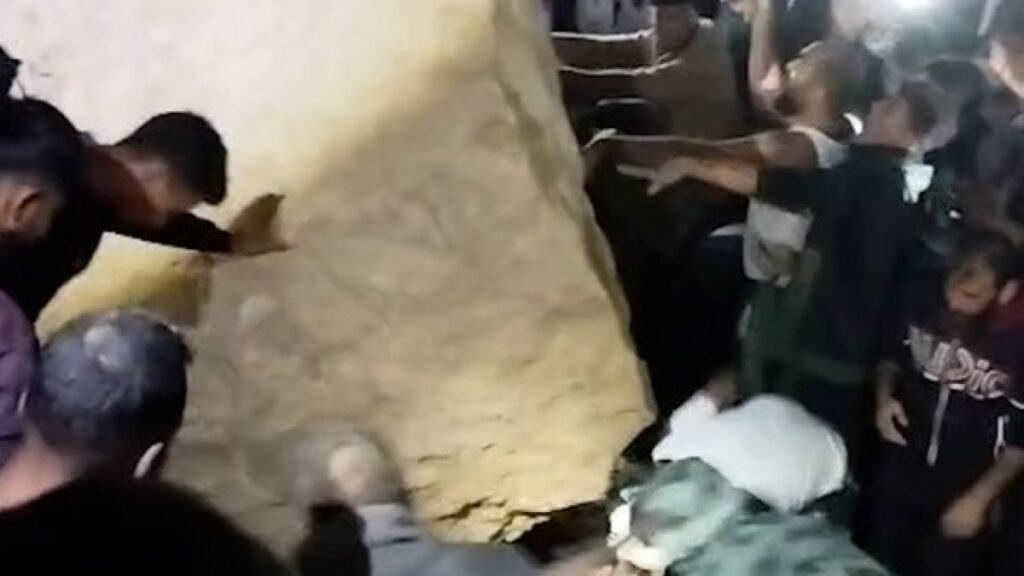
A tragic incident unfolded in Gaza as a sand cliff collapsed, resulting in deadly consequences for displaced families residing in the area. Amid ongoing conflicts and displacement crises, many families have sought refuge in precarious locations, often exposed to environmental hazards.
The sand cliff, located near a settlement of displaced individuals, gave way without warning, burying several families under tons of sand and debris. Emergency services rushed to the scene, but the heavy sand and unstable terrain hampered rescue efforts. Initial reports confirm multiple fatalities and numerous injuries, with some victims still trapped beneath the rubble.
This disaster highlights the dire living conditions faced by displaced populations in Gaza, where the scarcity of safe and stable housing forces many to dwell in hazardous areas. The lack of adequate infrastructure and support exacerbates the vulnerability of affected families, leaving them exposed to natural and man-made dangers.
Local authorities and humanitarian organizations have called for immediate action to address the precarious housing situations of displaced persons. They emphasize the need for safer accommodations, improved emergency response capabilities, and stronger protective measures against environmental threats.
The incident has sparked outrage and sorrow among the local and international communities, drawing attention to the broader humanitarian crisis in Gaza. The collapse underscores the urgent necessity for comprehensive efforts to safeguard displaced populations and prevent future tragedies.
In the wake of the sand cliff collapse, aid agencies are mobilizing resources to assist survivors and provide medical care, shelter, and psychological support. Calls for increased funding and coordinated efforts to improve living conditions for displaced families are growing louder.
Experts warn that climate change and ongoing conflict contribute to the instability of such natural formations, increasing the risk of collapses and other disasters. They advocate for sustainable development and resilience-building measures to protect vulnerable communities.
As the investigation into the circumstances of the collapse continues, authorities pledge to enhance monitoring and implement safety protocols to prevent recurrence. The humanitarian community remains committed to supporting those affected and ensuring their protection amidst challenging conditions.
This heartbreaking event serves as a solemn reminder of the intersecting challenges faced by displaced families in Gaza, where environmental hazards compound the hardships of conflict and displacement. It calls for urgent, coordinated action to secure safe living environments and uphold the dignity and safety of all affected individuals.