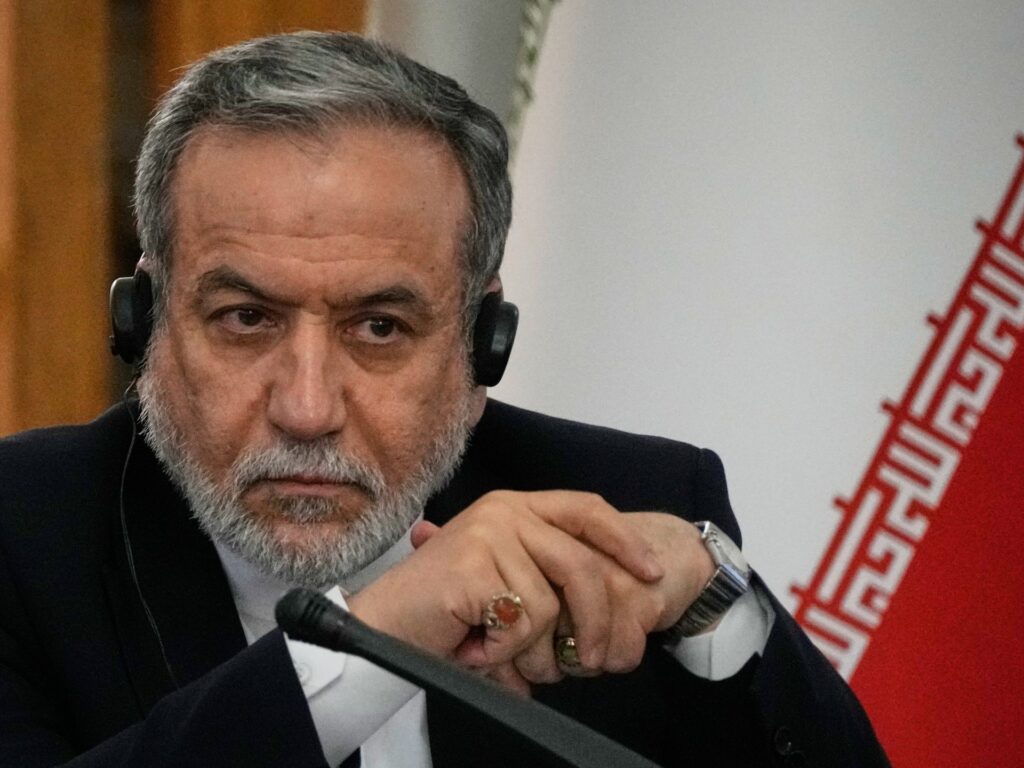
In a rapidly unfolding geopolitical standoff, Iran has issued a stern warning to the United States, threatening to “rain down hell” if the U.S. escalates conflict in the region. This provocative statement underscores the mounting tensions between the two nations, which have been at a critical juncture following recent diplomatic and military exchanges.
The backdrop to these developments includes ongoing disputes over Iran’s nuclear program, economic sanctions, and military presence in the Middle East. Iran’s President and other senior officials have expressed strong opposition to any perceived aggression by the U.S., signaling that any escalation could lead to severe consequences.
Meanwhile, the United States, under the leadership of President Donald Trump, has responded with a firm stance of its own. President Trump declared that U.S. forces are “locked and loaded,” emphasizing their readiness to strike if necessary. This declaration is intended to convey a message of deterrence and demonstrate the U.S. commitment to protecting its interests and allies in the region.
Military analysts suggest that the rhetoric from both sides indicates a dangerous brinkmanship that could spiral into open conflict if diplomatic efforts fail. The situation has drawn international concern, with global powers calling for restraint and dialogue to avoid further escalation.
Recent incidents, such as naval confrontations in the Persian Gulf and targeted cyber operations, have added fuel to the fire, increasing the risk of misunderstandings or accidental clashes. Both countries have vast military capabilities and strategic assets in the area, making the stakes particularly high.
Economic implications are also significant, with potential disruptions to global oil supply routes emanating from the Gulf. Any military conflict in this region could affect global markets and have far-reaching economic effects.
Diplomats and international organizations are reportedly working behind the scenes to facilitate communication channels between Washington and Tehran, seeking to de-escalate the situation. However, the deeply entrenched mistrust between the two nations complicates these efforts.
The international community remains vigilant as these developments unfold, aware that a misstep could ignite a broader conflict. The world watches closely, hoping for a peaceful resolution to this volatile chapter in U.S.-Iran relations.
In summary, the provocative threats from Iran and the unwavering readiness of U.S. forces create a perilous environment fraught with the possibility of conflict. Continued diplomatic engagement and measured responses are crucial to preventing escalation and ensuring stability in the Middle East and beyond.